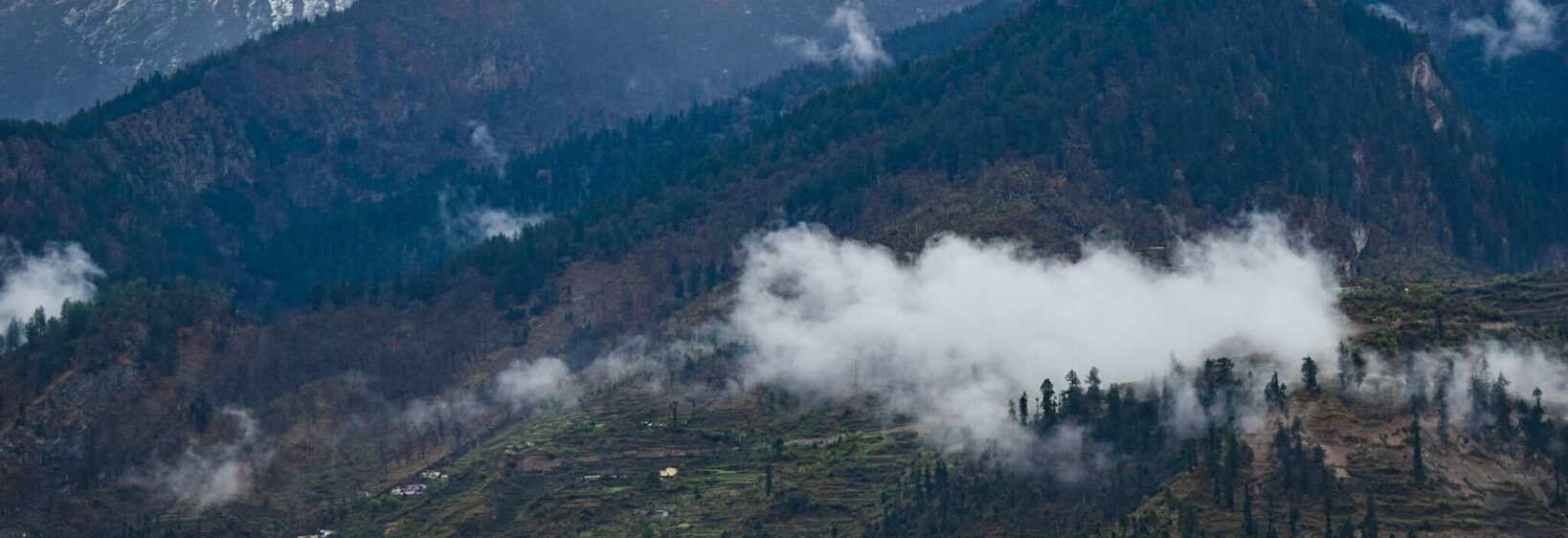
A photographer’s morning at the Ranikhet golf course
Before the first golfers arrive, Ranikhet’s Upat Golf Course feels like a wide green balcony above the Kumaon hills. The fairways rest beneath tall deodar trees, while distant ridges appear and disappear behind bands of morning mist. For a photographer, the quiet hour before breakfast offers a remarkable combination of landscape, local atmosphere, and changing Himalayan light.
The course is often associated with its scenic setting as much as its sport. Its open lawns, tree-lined edges, mountain views, and simple roadside character make it an appealing stop during a Ranikhet sightseeing trip. A camera can turn an ordinary walk around the grounds into a visual story about altitude, weather, and the gentle rhythm of hill life.
Reaching the course before sunrise
The best photographs begin before the sun reaches the fairways. Leaving central Ranikhet early allows time to travel towards Upat, find a suitable viewpoint, and watch the sky brighten over the surrounding Kumaon landscape. In the half-light, the course is defined by silhouettes: pine and deodar trunks, flagpoles, fencing, and the soft contours of the putting greens.
Morning temperatures can be surprisingly low, even in warmer months. A light jacket, lens cloth, spare battery, and a small tripod are useful companions. Visitors should also check current access arrangements, as parts of the golf ground may be managed for players, military use, or local events.
Finding stories in the landscape
A wide-angle lens captures the relationship between the golf course and the mountains, but a short telephoto lens often reveals more intimate details. Dew on grass, weathered signboards, golf flags moving in the breeze, and the texture of tree bark can provide strong supporting images. These close views prevent a photo essay from becoming a sequence of similar panoramic scenes.
Look for layers rather than a single dramatic viewpoint. Foreground grass, a middle line of trees, and hazy ridges behind them create depth. When sunlight begins to touch the upper slopes, expose carefully for the brighter sky and preserve the delicate shadows across the course.
Light, mist, and changing colour
The first direct sunlight usually creates long shadows across the fairways. This side lighting gives the grass a richer texture and separates the trees from the background. A few minutes later, the same scene may appear flatter, so it is worth returning to a favourite composition as the sun climbs.
Mist is one of the morning’s most beautiful subjects, especially when it drifts between the trees instead of covering the entire view. Use a slower shutter speed only when the camera is stable; otherwise, raise the ISO modestly and preserve the fleeting movement of the vapour. The muted greens and blue-grey hills can also work well in monochrome.
| Scene | Useful approach | Visual effect |
|---|---|---|
| Dew-covered fairway | Low viewpoint and side light | Bright texture and leading lines |
| Distant mountain ridge | Telephoto lens and layered framing | Compressed, atmospheric depth |
| Deodar-lined edge | Vertical composition | Height and woodland character |
| Golf flag in mist | Minimal exposure compensation | A quiet, graphic image |
| Players arriving | Longer lens and respectful distance | Human scale without disruption |
The changing landscape may remind visitors of other Uttarakhand photo destinations where cultivated green slopes meet mountain weather. A look at the Kausani tea gardens can offer useful inspiration for photographing patterns, elevation, and soft morning colour without forcing the scene.
Photographing respectfully
A golf course remains a working recreational space, not simply a viewpoint. Avoid walking onto greens or fairways when players are present, and never photograph people closely without permission. Staying along public edges and established paths protects both the landscape and the experience of those using the course.
Local details can add personality to the gallery: a caretaker preparing an area, a resident walking along the road, or birds moving through the deodar branches. These moments should be photographed with courtesy. A quiet, observant approach generally produces more natural images than directing every scene.
Turning a short visit into a photo story
A strong morning gallery benefits from variety. Begin with an establishing frame showing the golf course in its mountain setting, then move towards medium views of trees, paths, and flags. Finish with details that communicate the atmosphere: wet grass, footprints, a discarded tee, or sunlight leaving the mist.
Keep a few minutes for images that are not perfectly polished. A blurred flag, a partially hidden ridge, or a beam of light through branches may express the mood better than a technically exact postcard view. Captions can mention the time, weather, viewpoint, and season, helping readers understand how quickly conditions change in Ranikhet.
Practical details for photographers
A morning visit is easiest when planned around weather and local activity. Cloudy days can produce even, gentle light, while clear mornings are better for distant Himalayan visibility. During monsoon periods, mist and wet foliage are attractive photographic subjects, but slippery paths and sudden showers require additional care.
Useful habits include:
- Carry a weather-resistant camera cover and a dry cloth.
- Use a polarising filter carefully to deepen foliage and reduce glare.
- Keep a safe distance from golfers, vehicles, and course machinery.
- Pack water and warm layers, even during a sunny season.
- Confirm photography access before entering restricted areas.
A morning at the Ranikhet golf course is best approached as a slow landscape walk rather than a race for one perfect view. Arrive early, observe how the light travels across the grass, and let the changing weather guide the sequence. Add the resulting images to a Uttarakhand travel gallery or personal photo journal, and plan the visit as part of a wider Ranikhet itinerary through the hills.