Kamleshwar Dam: Reservoir Reflections and Boating Spots
Kamleshwar Dam offers a quieter way to experience the Garhwal Himalaya. The broad reservoir, wooded slopes and changing mountain light create a scenic pause near Srinagar and Rudraprayag, away from the busier pilgrimage routes. It is a place for reflective photographs, gentle riverside walks and an appreciation of how water shapes life in Uttarakhand.
For visitors from Australia, the setting feels different from a coastal harbour or a Melbourne lake reserve. The air is thinner, roads are more winding and local activity follows daylight, weather and religious calendars. A visit works best as part of a wider Garhwal journey, with sensible expectations about boating facilities and access.
A Reservoir Shaped By Mountain Water
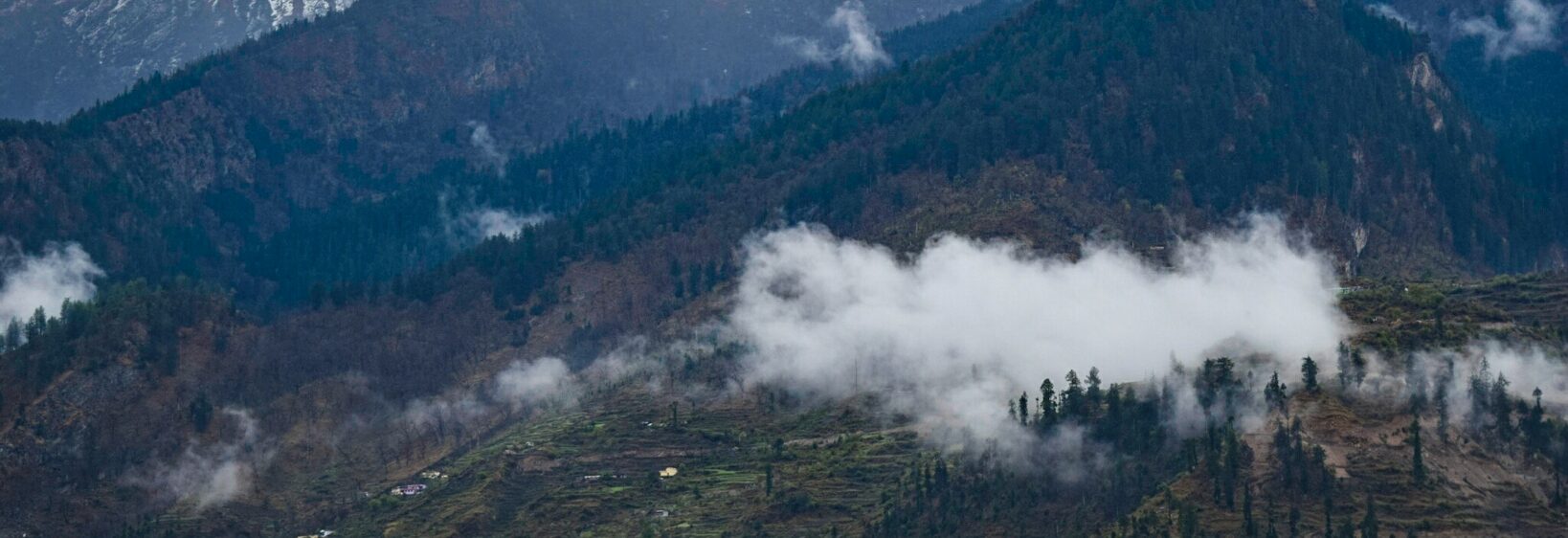
The dam lies within the Alaknanda valley, where steep hills gather around a deep blue-green stretch of water. Depending on the season, the reservoir can appear still and glassy or textured by wind, cloud and rain. Terraced fields, forested ridges and scattered homes add layers to the landscape.
The wider region is associated with important river confluences and pilgrimage geography. Travellers planning a route through Rudraprayag can also read this visual guide to the Alaknanda and Mandakini confluence, which helps place the reservoir within Uttarakhand’s larger river story.
Morning usually provides the clearest reflections, before traffic, wind and harsh sunlight alter the surface. In the afternoon, the hills may take on warmer colours, making the shoreline attractive for landscape photography.
Best Views For Reflections And Photos
The most rewarding viewpoints are generally found along accessible roads and open edges rather than at a single formal lookout. Stop only where vehicles can be parked safely, keeping away from dam infrastructure, restricted areas and unstable banks. A short walk can reveal a better angle than a roadside photograph.
A wide lens is useful for capturing the relationship between water, ridges and sky, while a telephoto lens brings distant villages and slopes closer. Australian photographers accustomed to strong coastal light should remember that Himalayan sunlight can be intense, especially around midday. A hat, sunscreen and water are practical essentials.
Cloudy weather can produce especially atmospheric images. Reflections become softer, and mist may settle over the hills after rain. For a broader collection of Uttarakhand scenery, the Uttarakhand photo guides provide useful inspiration for planning a photography-focused journey.
Boating Possibilities And Water Safety
Boating at or near the reservoir should be treated as seasonal and locally managed rather than guaranteed. Services can change with water levels, weather, maintenance, government directions or local operating arrangements. Ask nearby residents, accommodation staff or an authorised operator about current availability before making a special trip.
Where boating is operating, follow instructions about life jackets, passenger limits and boarding points. Avoid entering the water independently, even when the surface appears calm. Reservoir edges can drop suddenly, currents may be hidden and changing releases from hydroelectric infrastructure can create risks.
The safest experience may simply be enjoying the shoreline from an approved public area. Families and photographers can gain the atmosphere of a lakeside outing without treating the dam as a swimming or adventure-sport destination.
Local Life Around Srinagar And Rudraprayag
A visit can be combined with temples, local markets and short drives through the Alaknanda valley. Kamleshwar Mahadev Temple in Srinagar reflects the area’s devotional traditions, while small shops and roadside stalls show everyday Garhwali life beyond the main tourist circuit. Dress modestly at religious sites and ask before photographing worshippers or private homes.
Travellers from Sydney, Brisbane or Perth may notice that meal times, transport and shop hours are less predictable than in Australia. Roads can slow considerably during pilgrimage periods, and monsoon rain may affect travel plans. Buying snacks, fruit or bottled water from local shops supports small businesses, while carrying some Indian rupees remains useful where card payments are unavailable.
A locally arranged driver is often more practical than relying on a tightly timed self-drive itinerary. For specialist local assistance, visitors may explore this regional travel resource while checking precisely what services are available for their dates and route.
Planning A Comfortable Reservoir Visit
The ideal visit combines an early start, flexible timing and respect for local conditions. Australian school-holiday travellers should allow extra days rather than trying to fit Srinagar, Rudraprayag and nearby attractions into a rushed schedule. During the Indian monsoon, landslides and road closures can affect even short journeys.
Accommodation ranges from simple guesthouses to more comfortable hotels in larger towns. Confirm whether a property has reliable transport advice, hot water and power backup before booking. A locally prepared breakfast and a short walk through the market can add more character to the trip than moving constantly between viewpoints.
Practical Recommendations
- Visit early for calmer water, cooler air and clearer reflections.
- Confirm boating operations locally instead of assuming they run year-round.
- Carry Indian cash, drinking water, sunscreen and a light rain layer.
- Keep away from restricted dam structures, steep banks and unmarked paths.
- Allow extra driving time during pilgrimage seasons and monsoon weather.
- Combine the reservoir with Srinagar’s temples or the Rudraprayag confluence.
- Use a local driver or verified operator for changing mountain-road conditions.
The reservoir is most memorable when approached as a living Himalayan landscape rather than a fixed tourist attraction. Its quiet water, river heritage and surrounding communities offer a slower photographic experience for visitors travelling through Uttarakhand.