The Chopta to Tungnath Trek: Highest Shiva Temple and Snow Trails
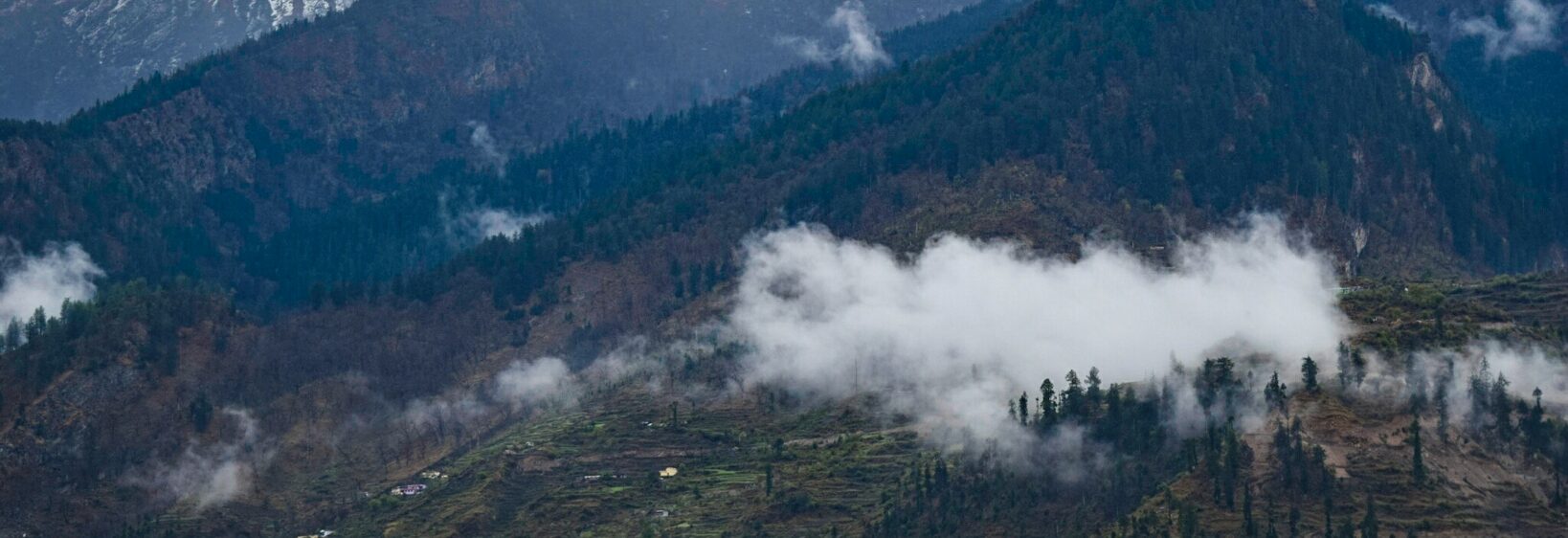
In Uttarakhand’s Garhwal Himalaya, the walk from Chopta to Tungnath combines mountain scenery, Hindu pilgrimage, and a manageable high-altitude adventure. The stone trail climbs through rhododendron woodland towards Tungnath Temple, widely regarded as the world’s highest Shiva temple, before continuing to the summit of Chandrashila.
The route is especially appealing to Australian travellers who enjoy a proper bushwalk but want a cultural experience beyond a standard mountain holiday. It has the drama of an alpine track near Mount Kosciuszko, though the landscape, religious traditions, village life, and Himalayan weather create a very different journey.
Snow can transform the trail into a white corridor between winter and spring, while summer brings clearer access and flowering mountain forests. Conditions change quickly, so the best experience comes from allowing extra time, travelling with suitable clothing, and treating the pilgrimage route with respect.
Why the Chopta route is special
Chopta sits at roughly 2,680 metres above sea level and is often called the “Mini Switzerland of Uttarakhand” because of its open meadows and forested slopes. The comparison is a little generous, but the broad views towards peaks such as Chaukhamba, Kedarnath, and Neelkanth are genuinely impressive.
Tungnath is one of the Panch Kedar temples, a group of important Shiva shrines in the Garhwal region. According to local belief, the temple represents Shiva’s arms. Pilgrims, photographers, birdwatchers, and trekkers share the same path, giving the walk a lively spiritual character rather than the feeling of an isolated wilderness track.
Distance, altitude, and trail conditions
The paved and stone-pitched trail from Chopta to Tungnath covers about 3.5 to 4 kilometres one way. It is a steady uphill climb, with Tungnath located near 3,680 metres. The distance looks short on a map, but altitude makes every rise more demanding than a similar walk at sea level.
From Tungnath, fit hikers can continue for another 1.5 kilometres to Chandrashila, reaching approximately 4,130 metres. This final section is steeper and can be icy. Anyone arriving from Sydney, Brisbane, or Perth should build in acclimatisation days rather than treating the trek like a quick weekend escape from Melbourne to the Blue Mountains.
Snow trails and the best travel season
Heavy snow usually affects the route from late December into March or April. Chopta may remain accessible while the upper trail is covered, but the temple path can become slippery, deeply frozen, or difficult to identify after fresh snowfall. Local guides and accommodation owners are valuable sources of current information.
From April to June, rhododendrons add colour to the slopes and the weather is often suitable for trekking. September to November generally offers crisp air and wide mountain views after the monsoon. July and August bring rain, slippery ground, and possible road disruption, so travellers should allow flexibility during this period.
Reaching Chopta from Australia
Most Australian visitors fly to Delhi, then continue by road towards Rishikesh, Rudraprayag, Ukhimath, and Chopta. There is no simple airport transfer into the highlands, and the drive can take a full day or longer depending on roadworks, traffic, and weather. A private vehicle or a carefully arranged local transfer is more practical than relying on a tight chain of buses.
For an Australian market, the route works best as part of a broader Uttarakhand itinerary rather than a rushed add-on. Travellers can spend time in Rishikesh, visit Devprayag, and then move into the mountains. Planning around Australian school holidays and checking India’s e-visa requirements early can help, particularly for families travelling in June or during the December-January break.
What the walk feels like
The first part of the trek passes through forest and gradually opens into high meadows. Small tea stalls may operate during the busier season, but visitors should carry water, snacks, sun protection, and a basic first-aid kit. The thin air can cause headaches, nausea, or unusual tiredness even in people who regularly do long bushwalks at home.
Warm layers are essential because sunshine can feel pleasant while the wind remains bitterly cold. Wear boots with good grip, especially when snow or ice is present. An early start helps avoid afternoon cloud and leaves time for the return journey before visibility drops.
Tungnath Temple and Chandrashila summit
The stone temple at Tungnath is modest in size, with a striking mountain setting and a strong atmosphere of devotion. Visitors should dress respectfully, follow photography restrictions, and avoid blocking the entrance during worship. During the winter closure, the temple’s deity is traditionally moved to Makkumath, where seasonal ceremonies continue.
Chandrashila offers an exceptional panorama when skies are clear, but it should never be treated as an automatic extension. Snow, wind, altitude, and fatigue can make the summit section hazardous. The reward is a sweeping view across Himalayan ridgelines, while the descent back to Chopta demands just as much care as the climb.
Local culture, stays, and responsible travel
Accommodation around Chopta ranges from simple guesthouses and camps to basic lodges with limited heating. Facilities are more rustic than those in Mussoorie or Rishikesh, and power or mobile coverage may be inconsistent. Carrying reusable containers and avoiding unnecessary plastic helps protect the fragile alpine environment.
Visitors who want to explore the human stories behind Uttarakhand can also look beyond the trail to women’s cultural voices, including New Song Women. For visual planning and destination inspiration, the Uttarakhand photo gallery offers a useful sense of the region’s temples, landscapes, and village atmosphere.
The trek supports local drivers, porters, guides, cooks, and homestay owners, so spending locally has a direct benefit. Australian travellers may call it a “hard yakka” day in the hills, but patience, respectful behaviour, and a slower pace make the journey far more rewarding than simply reaching the temple and turning around.