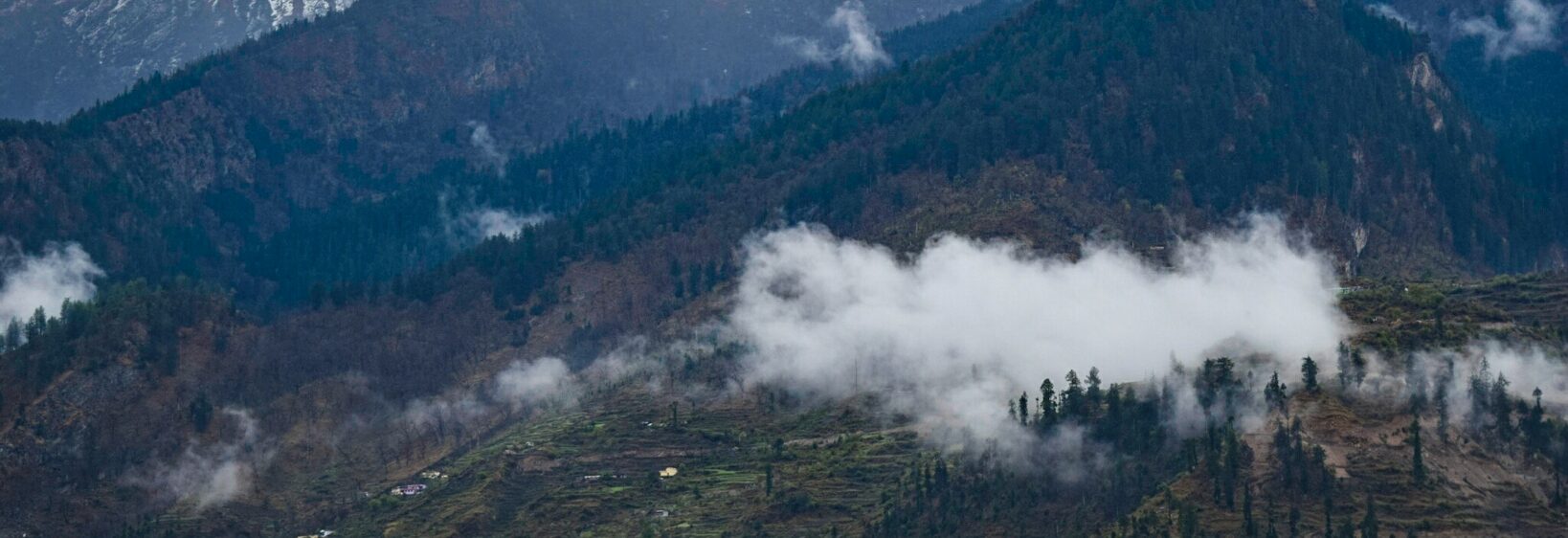
Deorital Lake and the Chaukhamba Reflection
Deorital Lake sits high in Uttarakhand’s Dronagiri landscape, about 2,400 metres above sea level. On a still, clear morning, its surface can hold the inverted outline of the Chaukhamba Peaks, creating the celebrated mirror-like view associated with this route. The reflection is fleeting, shaped by wind, cloud and fresh snow.
The trail begins near Deoria Tal, a short drive from Rishikesh, and suits walkers seeking alpine scenery without a demanding multi-day trek. For visitors arriving from Sydney, Melbourne or Brisbane, Delhi is the usual gateway; a rest day there can make the transfer to the hills far easier. Conditions on the final road and path differ sharply from an ordinary Australian day walk.
When the mirror appears
The lake is usually approachable from April to June and September to November, although dates depend on snow, landslide damage and local authority notices. July to September brings heavy monsoon rain, while winter can bring frost, snow closures and dangerously cold mornings. “Mirror Lake” is a descriptive nickname rather than a separate official body of water.
A clean reflection is most likely around first light, when the wind is light and the surface has settled. Look for a broad, unmoving foreground rather than a dramatic sunset colour alone. Fresh snowfall on Chaukhamba sharpens the contrast, yet a cloud bank or gust can erase the image within minutes, so photographers commonly wait beside the shore.
Reaching Deoria Tal
Most visitors use Deoria Tal, also written Deoriatal, as the trailhead. It lies roughly 45–50 kilometres from Rishikesh, but the mountain road can turn a 90-minute map estimate into a three-to-five-hour journey. Shared jeeps and taxis run from Rishikesh or intermediate villages; buses are cheaper, although they may not match the timetable displayed online.
Unlike an Australian regional highway, the route has blind bends, animals, roadside stops and sections where two vehicles may struggle to pass. Download an offline map, carry small rupee notes and use UPI where a driver or guesthouse accepts it. Mobile coverage becomes inconsistent beyond Tapovan, so arrange the return journey before continuing towards the lake.
Walking through the forest
The walk from the parking area at Deoria Tal is around three kilometres and climbs gradually through Himalayan woodland. It is broad enough for families and generally manageable for active walkers, but wet roots, loose stones and stream crossings deserve attention. Altitude is noticeable even though the ascent is gentle, particularly for visitors who have flown directly from coastal Australia.
At roadside market stalls around Deoria Tal and Tapovan, tea, biscuits, fruit, chips and instant noodles are easier to find than imported Australian snacks. Vegetarian food is common, though it is still sensible to explain ingredients and dietary needs. Carry water and a high-energy reserve from Rishikesh, and keep food in sealed containers because birds and monkeys can be bold around rubbish.
Photographing the reflection
Arrive before sunrise to have both the trail and the lake in soft light. A wide lens can preserve the symmetry between the dark shoreline and the snowy summit; a longer focal length isolates the peaks when the foreground is busy. The strongest images often use the lake as negative space, with one sharp element such as a pine branch balancing the inverted massif.
Avoid wading into the water or standing on fragile banks to improve the angle. The lake can look deeper than it is, and submerged stones are slippery. For more image-led context on Uttarakhand, the UK Photos Gallery includes related mountain journeys and destination guides.
Useful habits for Australian visitors
Australians should plan for a remote Himalayan environment rather than expecting the facilities of a city trailhead. Keep a conservative buffer for transport delays, and check weather, road and forest conditions with local contacts before departure.
On the road and trail
- Download offline maps and save the driver’s number; reception can fade above Deoria Tal.
- Pack a compact rain shell, refilled water bottle and personal medication in an easy-to-reach pouch.
- Carry enough cash for shared transport and an emergency meal, while keeping valuables separate.
At the lake
- Wear warm layers, gloves and grippy shoes; dawn on the water can feel much colder than Rishikesh.
- Protect a camera from damp by keeping it inside a sealed bag before the walk.
- Bring rubbish out, use a local guide when needed and respect restricted shoreline areas.
Tipping is optional in Australia, but a modest tip for a local driver or trekking guide is appreciated for extra effort in India. Ask whether a service charge is already included rather than assuming it is. The broader market near Tapovan offers snacks and basic supplies, so buying locally reduces the weight carried uphill.
Camps, comforts and careful travel
Deoria Tal has guesthouses and simple camping options, but rooms and powered camps can sell out during the main trekking season. Facilities are basic, and a head torch, power bank and small first-aid kit are sensible additions. Check current camping rules locally; lakeside camping should only be used where authorised, with no open fires or washing directly in the lake.
A minimalist home routine can keep an Australian home secure and uncluttered during a longer trip, while a travel checklist protects passports, medication and documents. Neither replaces proper preparation: leave copies of key records with someone at home, and ensure insurance covers trekking at altitude.
The final approach deserves respect. Heavy rain can loosen slopes above the road, winter ice can make the trail unsafe, and the forest supports wildlife that responds poorly to noise and litter. Follow marked paths, avoid feeding animals and check official advisories before each transfer. With those local realities understood, the lake’s quiet surface and the Chaukhamba reflection feel all the more striking.