Lwani’s Quiet Ruins Near Munsiyari
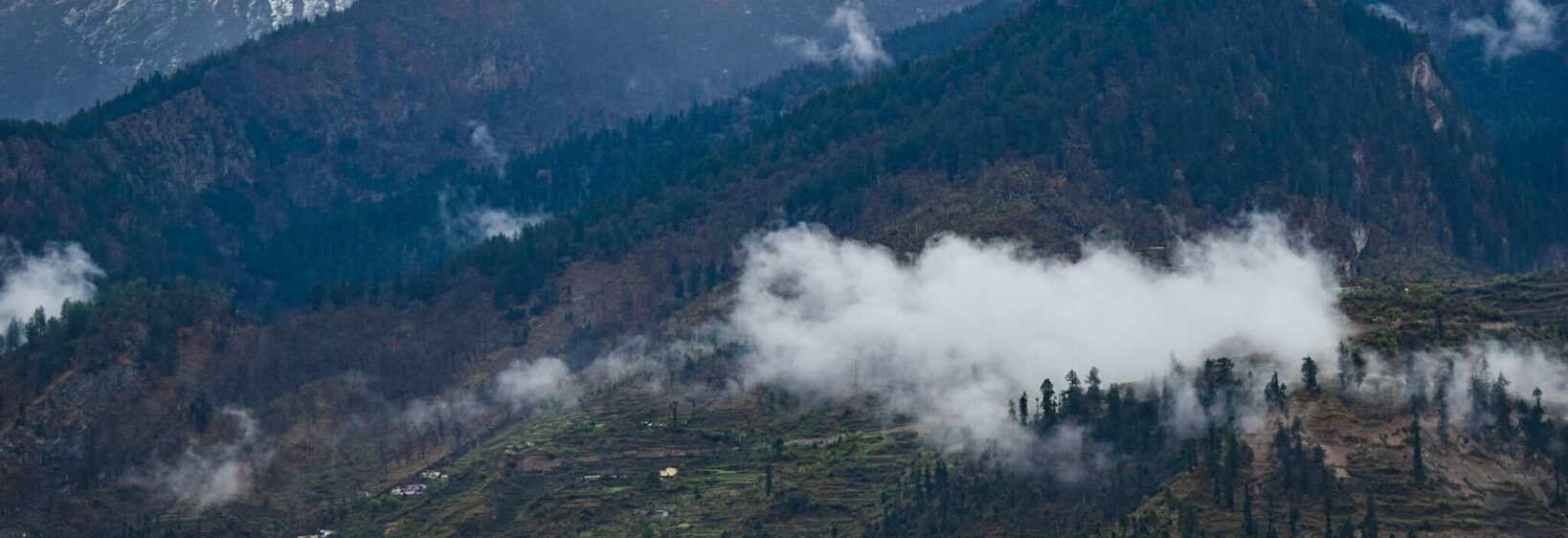
High in Kumaon, the landscape around Munsiyari changes from busy market lanes to steep mountain paths, terraced fields, and scattered hamlets. Among these lesser-known places is Lwani, an abandoned village whose empty houses and overgrown trails offer a moving glimpse into Uttarakhand’s changing rural life.
Lwani is not a conventional sightseeing stop with ticket counters, cafés, or marked viewpoints. Its appeal lies in the atmosphere: stone walls softened by moss, silent courtyards, old footpaths, and broad Himalayan scenery. The village is best approached as a cultural landscape rather than a tourist attraction.
Visitors planning a journey through the region can also explore the wider collection of Uttarakhand travel stories for ideas about mountain destinations, temples, photography, and local experiences.
Where Lwani Lies
Lwani is situated in the wider Munsiyari area of Pithoragarh district, where villages occupy steep slopes beneath the high Himalayan ranges. The exact approach may vary according to the season, local road conditions, and the route used by residents and guides. It is sensible to confirm the latest directions in Munsiyari before setting out.
The journey is part of the experience. Roads give way to footpaths, and the surrounding scenery includes pine and broadleaf forests, cultivated terraces, mountain streams, and distant snowy summits. Weather can change quickly, especially during the monsoon and winter months, so a flexible itinerary is important.
The Story Told By Empty Houses
An abandoned settlement often says as much through its silence as through its architecture. In Lwani, remnants of traditional mountain homes may include stone foundations, slate or metal roofing fragments, narrow entrances, cattle sheds, and terraces that are slowly returning to wild vegetation. Some structures may be unstable, so visitors should admire them from outside rather than enter.
The village reflects a wider pattern seen across Uttarakhand. Limited employment, difficult access to education and healthcare, declining agricultural returns, and the search for work have encouraged many families to move towards towns or the plains. Migration does not erase the value of a place; it leaves behind memories, family shrines, orchards, and ancestral land.
A Landscape Shaped By Mountain Life
Before the settlement became quiet, daily life would have followed the rhythm of the seasons. Terraced farming, livestock care, collection of forest resources, and community festivals formed part of the local economy and culture. Footpaths connected homes with fields, springs, neighbouring villages, and market routes.
The area also belongs to a rich cultural zone where Kumaoni language, local food traditions, folk music, and village rituals remain important. Travellers should remember that abandoned-looking houses may still have owners or descendants who visit occasionally. Treating the site as someone’s ancestral home creates a more respectful and meaningful travel experience.
Reaching Lwani From Munsiyari
A local guide is valuable for finding the correct trail, understanding private land boundaries, and judging conditions on the day. There may be no reliable signboards, shops, toilets, or mobile connectivity near the settlement. Carry essentials from Munsiyari and avoid depending on digital maps alone.
| Travel consideration | Practical approach |
|---|---|
| Best conditions | Clearer spring and autumn days are generally comfortable for walking |
| Monsoon travel | Expect slippery paths, leeches, cloud cover, and possible road disruption |
| Winter travel | Prepare for cold, shorter daylight, and snow or ice on higher routes |
| Local support | Hire a guide or ask a trusted accommodation provider for current directions |
| Walking needs | Use sturdy shoes, water, snacks, sun protection, and a small first-aid kit |
The walk should be planned with enough daylight for the return journey. Start early, keep the group together, and tell your accommodation provider where you are going. If the path is damaged or visibility falls, turning back is the responsible choice.
Photographing A Silent Village
Lwani offers strong subjects for documentary and landscape photography: weathered stonework, abandoned terraces, patterns of light across mountain slopes, and plants reclaiming human spaces. A telephoto lens can help capture distant ridges, while a wide lens is useful for showing the relationship between ruins and the surrounding terrain.
Birdwatchers may find the forest edges rewarding as well. A useful field reference is this birding checklist, particularly for photographers who want to combine village documentation with Himalayan nature observation.
Photographs should preserve dignity. Avoid staging objects, moving household items, photographing people without permission, or presenting poverty as entertainment. Early morning and late afternoon provide gentler light, while cloudy conditions can reveal the texture of old walls without harsh contrast.
Travel With Care
A visit to Lwani becomes more valuable when it supports the living communities around Munsiyari. Book locally owned accommodation where possible, eat at small restaurants, hire local transport, and pay guides fairly. These choices help keep regional knowledge and income within the mountain economy.
Keep the visit low-impact by following a few simple practices:
- Carry every wrapper, bottle, and food container back to Munsiyari.
- Do not climb on roofs, enter unsafe buildings, or remove stones and artefacts.
- Ask before photographing homes, shrines, residents, or private land.
- Stay on existing paths and avoid damaging terrace walls or young plants.
- Carry cash because connectivity and digital payment services may be unreliable.
Lwani is best remembered through careful observation rather than hurried sightseeing. Walk slowly, listen to local stories, and leave the ruins exactly as you found them. A thoughtfully planned excursion from Munsiyari can turn this quiet settlement into a powerful lesson in mountain heritage, migration, and the enduring bond between people and place.