Photographing Handloom Weaving In Himatal Village
Himatal Village offers a close view of Uttarakhand’s living textile tradition. In homes and small workshops, handloom weaving remains connected to mountain life, seasonal work and practical clothing. A camera can record the rhythm of the loom, the colour of locally used yarn and the people who keep these skills alive.
For visitors from Australia, the village is very different from a craft market in Melbourne or Brisbane. The work is usually carried out in a domestic setting rather than a staged studio, and a photograph may reveal private family space. Taking time to greet the weaver, ask permission and learn a little about the process will produce better images and a more respectful travel experience.
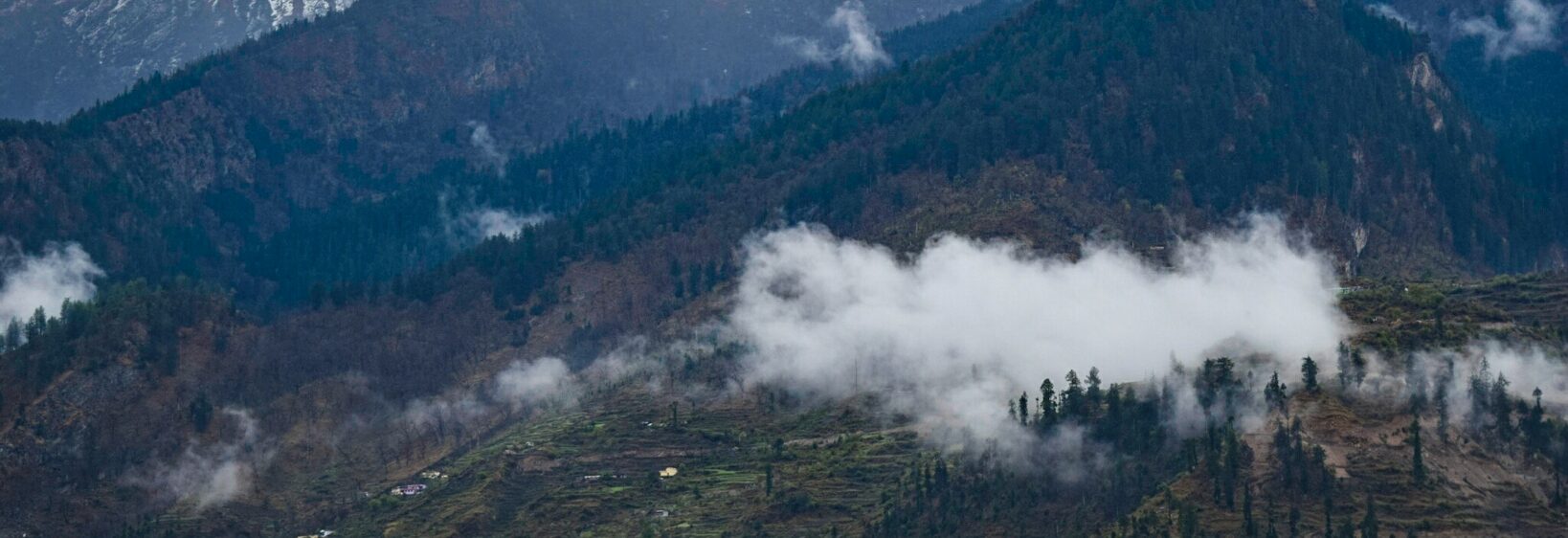
The strongest photographs combine portraits, close details and wider scenes. Capture the weaver’s hands, the wooden frame, thread wound around simple tools and the changing light across the room. Then step back to show how the loom fits into the home and the surrounding Himalayan landscape.
Travel conditions also shape the shoot. Roads can be winding, mobile coverage may be limited and cash in Indian rupees is useful when buying woven goods. Australian travellers accustomed to contactless payments should carry small notes, while those used to coastal city light should remember that mountain interiors can be surprisingly dim.
| Photographing focus | Useful approach | Visual result |
|---|---|---|
| Weaver at work | Ask before photographing and use quiet observation | A natural environmental portrait |
| Loom mechanics | Use side light and a close lens | Texture, movement and craftsmanship |
| Yarn and patterns | Fill the frame with colour and repetition | Strong abstract detail |
| Finished textiles | Photograph them in use or with a simple background | Clear record of design and purpose |
Understanding Himatal’s Textile Setting
Before raising the camera, watch the weaving process from start to finish. Notice how yarn is arranged, how the shuttle moves and where the weaver pauses to check the pattern. These small observations help a photographer anticipate movement instead of relying on random snapshots.
Handloom textiles may reflect local climate, available fibres and family knowledge passed between generations. Woollen wraps, shawls, blankets and patterned fabric can carry practical as well as cultural meaning. Record the object’s name and use in a notebook, since a short caption can preserve context that an image alone cannot provide.
Seeking Permission With Care
A friendly introduction is essential when photographing inside a village home. Ask whether portraits, tools and finished products may be photographed, and explain where the images might appear. Consent should include children and older family members, especially when a photograph shows the interior of a private household.
Do not interrupt the weaving rhythm for a posed scene. A short conversation followed by quiet observation often creates a more genuine portrait. If someone declines, respect the decision without bargaining. Buying a textile directly from the maker can support the household, though a purchase should never be treated as payment for permission.
Building A Strong Visual Story
Begin with a wide photograph showing the loom within its surroundings. Follow it with medium shots of the weaver’s posture and hands, then finish with close-ups of threads, knots, shuttle marks and woven motifs. This sequence gives viewers a sense of place, process and detail.
Use leading lines created by warp threads and wooden beams to guide the eye. Square or vertical frames work well for portraits, while horizontal images can show the full loom. A compact mirrorless camera or modern phone is usually sufficient; careful timing matters more than expensive equipment.
Working With Mountain Light
Window light can create beautiful texture across wool and cotton, particularly during the morning. Position yourself at an angle rather than placing the window directly behind the weaver. If the room is dark, raise the ISO gradually and keep the shutter speed fast enough to freeze hand movement.
Avoid using a bright flash without permission. It can disturb the atmosphere and flatten the texture of natural fibres. A small reflector, white cloth or pale wall may gently lift shadows. Outside, harsh midday sun at altitude can be intense, much like photographing on an exposed Australian bushwalking track, so early or late light is usually more flattering.
Recording Colour, Pattern And Material
Photograph yarn bundles before they reach the loom, then show how those colours become a finished textile. Look for repeated geometric shapes, uneven edges and traces of handwork rather than correcting every irregularity. These details distinguish a handmade article from a factory-produced souvenir.
If natural dyes or plant fibres are discussed, record the local explanation instead of assigning your own assumptions. For a broader visual comparison, an account of alpine herb gathering shows how mountain landscapes can shape traditional material practices, although Himatal’s textile knowledge belongs to its own Himalayan context.
Connecting Craft With The Wider Journey
A weaving visit can sit naturally within a cultural itinerary through Uttarakhand. Pair it with village walks, local food and nearby religious sites, while allowing enough time for conversation rather than rushing between viewpoints. The Patal Rudreshwar Temple Complex offers another example of how photography can document place, belief and architecture with care.
Australian visitors may be familiar with supporting makers at markets in Sydney, Perth or Adelaide, yet village craft operates within a different social setting. Bargain respectfully, ask about materials and avoid photographing people as if they were part of a display. When captions name the village, technique and maker’s permission, the resulting photo essay becomes a more accurate record of Himatal’s handloom heritage.