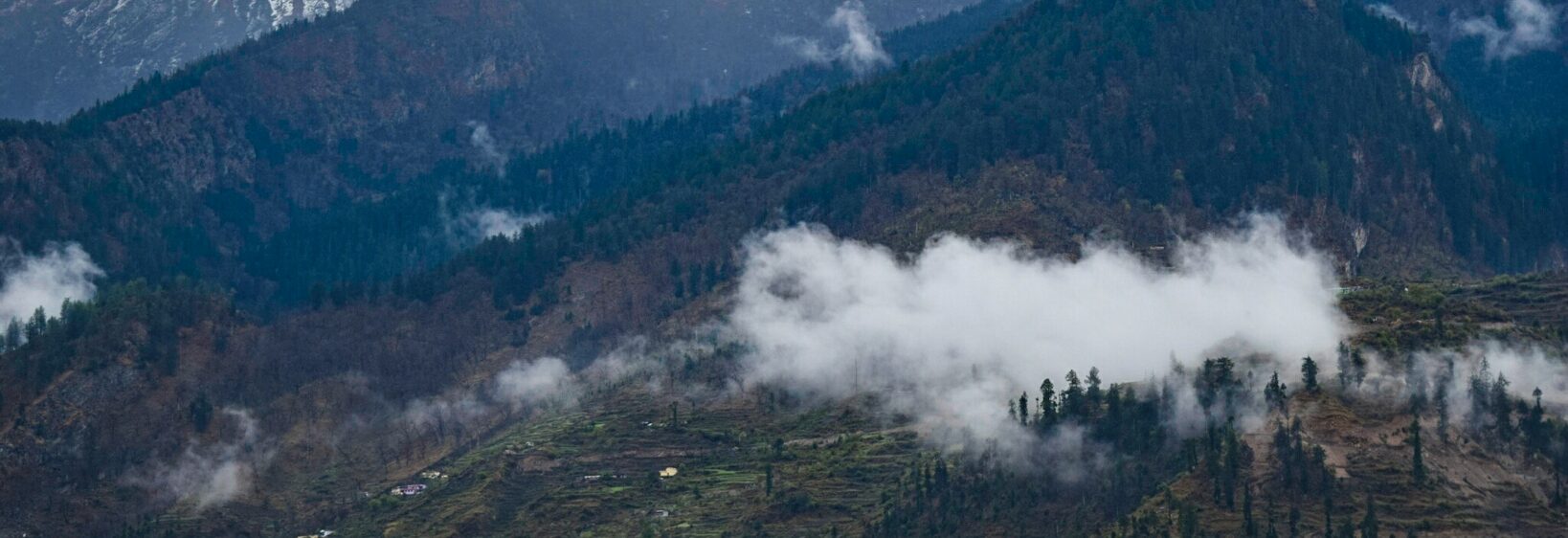
Kanchishwar Temple in Pithoragarh: Stone Steps and Stream
Kanchishwar is a compact Shiva shrine with an outsized sense of place. Set among the forested folds of eastern Uttarakhand, it stands beside the Shyahi River, where worshippers, woodland and moving water meet. The approach reveals stone, trees and the sound of current before the sanctum comes fully into view.
Its appeal lies in the relationship between devotion and landscape. Weathered, stone-cut steps descend toward the stream, creating a memorable setting for prayer and photography. Mornings are calm, while monsoon rain gives the steps a darker sheen and a louder voice. For regional images and travel stories, the Uttarakhand photo gallery provides useful context for this Himalayan corner.
A Shiva shrine in the Pithoragarh landscape
Devotees come to worship Shiva, leaving flowers, water and incense. The sanctum is modest, so attention shifts easily between the deity, bells and the trees enclosing the compound. Water is central to the experience, both in local ritual and as the temple’s defining backdrop.
On a quiet weekday, Kanchishwar feels like a living place of faith rather than a sightseeing stop. Pilgrims move through with purpose, and visitors understand that the steps and river are part of the sacred setting, not simply a scenic frame. Photography should follow local guidance rather than interrupt worship.
Stone steps and the Shyahi stream
The stairway does more than connect path to sanctuary. Worn surfaces record years of feet and changing weather, while the descending line draws the eye towards water between rocks. Low mist, wet stone and green moss make the setting striking during and just after the monsoon.
Rain raises the level and speed of the current. Some steps may become slippery or briefly submerged, so check conditions locally, keep to the side and avoid treating the pool as a swimming spot. Footwear that is easy to remove is more useful than heavy boots.
Light filters through the trees in narrow bands, catching steps and spray before reaching the temple above. The space rewards slow looking: a reflection breaking around a rock, incense smoke above a doorway or a small bell sounded across the water. Such details vanish when the visit is treated as a quick stop.
Reaching the temple from Australia
After flying into Delhi, travellers from Sydney or Melbourne usually compare onward rail, road and air options on an online travel marketplace, then arrange the final connection with a regional operator. Direct messages can confirm a driver and pickup point. A small-group tour package may also include Pithoragarh hotels and guides.
India drives on the left, as Australia does, but mountain roads require a different rhythm. Curves, livestock, slow trucks and landslide checks can stretch distances. Australian travel messages often use familiar shorthand: “arvo” means afternoon, while “not far” can mean a long drive on a country road.
Local operators may use a messaging app rather than a web form. Keep screenshots of the booking and driver’s number when reception is patchy, much as on a regional trip through the Australian outback. A printed address in Hindi can bridge language barriers at the handover.
Temple manners and practical essentials
Light, modest clothing suits the setting, and a shawl or scarf covers shoulders. Shoes and leather goods are usually left outside a shrine area. Before photographing a person, altar or ritual, ask permission and move quietly during ceremonies. These courtesies preserve the temple’s character for regular visitors.
Australians are accustomed to cards and contactless payments, but small shrines, roadside stalls and drivers may prefer cash. Keep small rupee notes and exchange money in Pithoragarh rather than relying on an ATM at the site. Layers, a refillable bottle and a charged power bank suit changeable mountain weather.
Capturing the place through photographs
Early light gives the stone steps depth and softens the river. Wide frames can hold the wooded slope, while closer views reveal carved edges, leaves and reflections. People add scale and story, although their consent and privacy matter more than a complete camera roll.
Festival periods bring colour, movement and fuller temples, especially around major Shiva observances such as Maha Shivaratri. Dates and access arrangements vary, so check current information before travelling. A busy visit calls for patience rather than intrusive flash photography or blocked steps.
For wedding or family portraits elsewhere in Uttarakhand, PIMS ANDRA photography is worth reviewing as a locally focused option. Its connection with Himalayan celebrations can complement a temple visit rather than compete with it for attention.
Pairing the visit with Pithoragarh
Kanchishwar works well on a gentler eastern Uttarakhand route. Nearby Askot is known for apple orchards and a relaxed border-town atmosphere, while Chaukori and villages around Panch Pokhari offer high-country walks and wide valley views. A day trip leaves time to notice changing light on the return.
Local guesthouses and family-run stays reveal Pithoragarh’s pace, while small markets supply honey, grains and seasonal fruit. Revealing moments occur between destinations: a roadside tea stall, drivers comparing route conditions or children crossing a bridge above the current. At the lowest stone step, the Shyahi slips around moss-darkened rock, and the temple fades into the trees above.