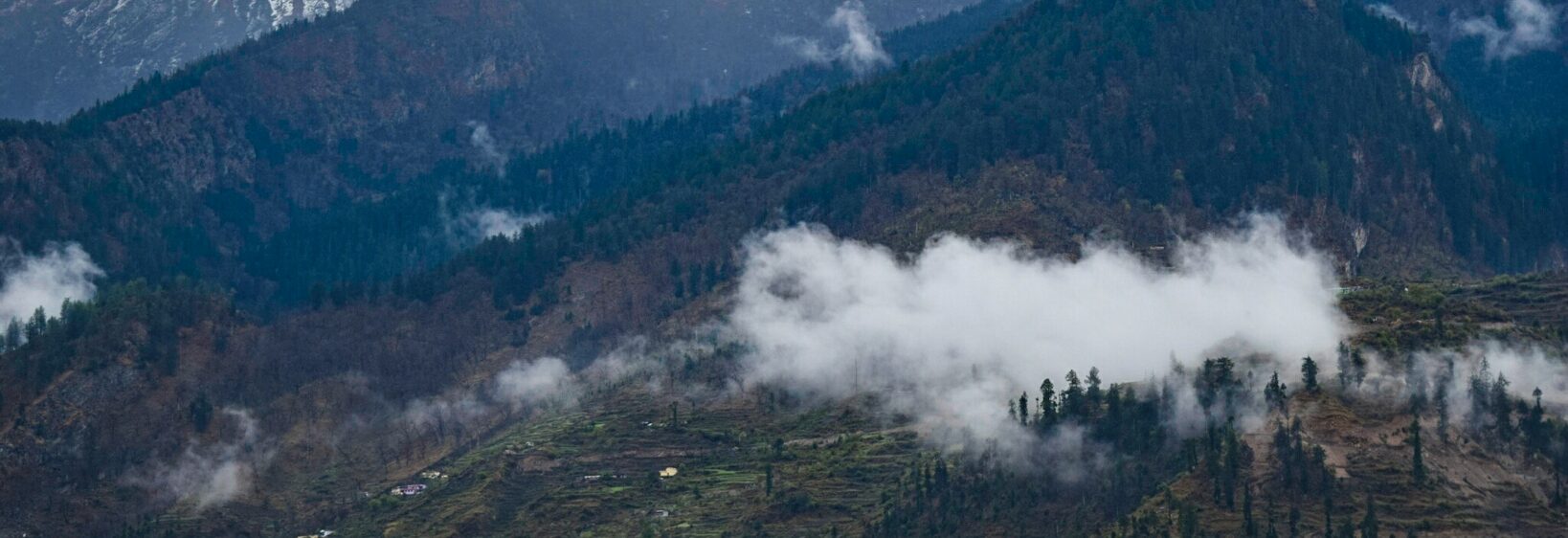
Dhakna village: Himalayan terraces and orchards near Munsiyari
Dhakna village lies in the high Kumaon region near Munsiyari, where mountain slopes are shaped into narrow agricultural terraces. Stone paths, forested ridges and traditional homes create a quieter Himalayan experience than the better-known hill stations of Uttarakhand. The landscape feels lived-in rather than arranged for sightseeing, with farms, orchards and village routines forming the heart of the visit.
For Australian travellers, this is a rewarding addition to a broader Uttarakhand itinerary. It suits visitors who enjoy a proper bushwalk, cultural photography and slow travel rather than a rushed checklist. From Melbourne, Sydney or Brisbane, the journey usually involves flights to Delhi followed by a long road transfer, so Dhakna is best approached as part of a carefully planned Kumaon circuit.
The character of Dhakna village
The village is surrounded by terraced fields cut into steep hillsides. These plots help local families grow seasonal crops in difficult terrain, with different shades of green appearing after the monsoon and golden tones arriving later in the year. Walking between the terraces offers a close view of irrigation channels, stone retaining walls and small footpaths connecting homes with farmland.
Orchards add another layer to the scenery. Depending on the season, visitors may see apple, apricot, plum and peach trees around village houses and cultivated slopes. Spring brings blossom, while late summer and early autumn can offer fruit-heavy branches and crisp mountain air. Harvesting remains a practical part of village life, rather than a staged tourism activity.
A living Kumaoni landscape
Dhakna reflects the culture of the wider Munsiyari area, where mountain communities have long adapted to high-altitude conditions. Homes may feature stone, timber and metal roofing, while courtyards are used for storing tools, drying produce and carrying out everyday household work. A respectful visitor should ask before photographing residents, private property or religious spaces.
The region’s identity is also connected with the Bhotia communities and historic Himalayan trade routes. Travellers wanting wider cultural context can explore this guide to Bhotia tribal villages, which helps place Munsiyari’s villages within the broader traditions of eastern Kumaon.
Walking, photography and seasonal views
Short village walks can be more satisfying than a demanding summit trek. Paths around Dhakna pass through terraces, orchards, pine and broadleaf woodland, with changing views towards the high ranges. A local guide is valuable because trails may divide into farm tracks, and weather can alter visibility quickly. Comfortable shoes, sun protection and a light waterproof layer are sensible in every season.
Photographers should look for details as well as grand mountain views: weathered wooden doors, baskets of produce, terraced contours, prayer flags, livestock and morning light on the ridges. Australian visitors familiar with a “bushwalk” around the Blue Mountains or the Dandenong Ranges should expect a more vertical environment, uneven surfaces and fewer formal signs.
Language, food and village etiquette
Kumaoni is widely associated with the region, alongside Hindi and other local languages. Learning a few greetings can make a village visit warmer, even when conversations continue in Hindi or English. This resource on Garhwali and Kumaoni phrases offers useful background before travelling.
Meals are generally simple, seasonal and filling, with grains, pulses, vegetables and local herbs appearing in home-style cooking. Travellers should carry drinking water, snacks and any required medication, as small villages have limited retail services. Australians often say “no worries”, but in remote Uttarakhand flexibility matters more than speed: transport can be delayed, shops may close early and mobile coverage can be inconsistent.
Planning a responsible visit
The best time depends on priorities. Spring is attractive for blossoms and clear walking conditions, the monsoon brings intense greenery but slippery trails, and autumn often provides crisp skies after the rains. Winter can be cold, especially at night, with fewer transport options. Confirm road conditions and accommodation in Munsiyari before setting out.
For visitors booking from Australia, compare prices in Australian dollars but confirm what is included in Indian rupees: private vehicle hire, meals, permits, guide fees and accommodation can be handled separately. Australian school-holiday travel and long weekends can raise demand for popular Uttarakhand stays, while smaller local operators may respond more reliably through direct WhatsApp contact than through large booking platforms. If your wider trip includes cultural events in a major city, this guide to finding local festivals offers a useful planning idea, even though Dhakna itself is a rural destination.
| Travel feature | What to expect in Dhakna |
|---|---|
| Landscape | Terraced farmland, orchards, forested slopes and Himalayan views |
| Best interests | Village walks, photography, local culture and slow travel |
| Access | Road journey from Munsiyari, followed by local walking routes |
| Facilities | Basic village services; plan supplies in advance |
| Ideal preparation | Comfortable footwear, layers, cash, water and flexible timing |
Practical ways to travel well
- Hire a local guide for unfamiliar paths and cultural interpretation.
- Ask permission before photographing people, homes, farms or ceremonies.
- Carry reusable water bottles, snacks, cash and essential medicines.
- Choose locally owned accommodation and buy seasonal produce where appropriate.
- Allow extra travel time for mountain roads, weather changes and village transport.