The Rudranath Trek: A Pilgrimage Through Meadows and Forests
The Rudranath Trek leads into one of Uttarakhand’s most secluded Himalayan shrines, where dense forests open into high-altitude meadows and the silence feels as significant as the destination. Dedicated to Lord Shiva, Rudranath is one of the Panch Kedar temples, a group of five sacred places associated with the Pandavas and their search for Shiva.
Unlike a road journey to a popular hill station, this pilgrimage depends on steady walking, changing weather, and careful preparation. The trail passes through oak, rhododendron, and birch forests before reaching open grasslands, rocky ridges, and the stone temple traditionally identified with Shiva’s face.
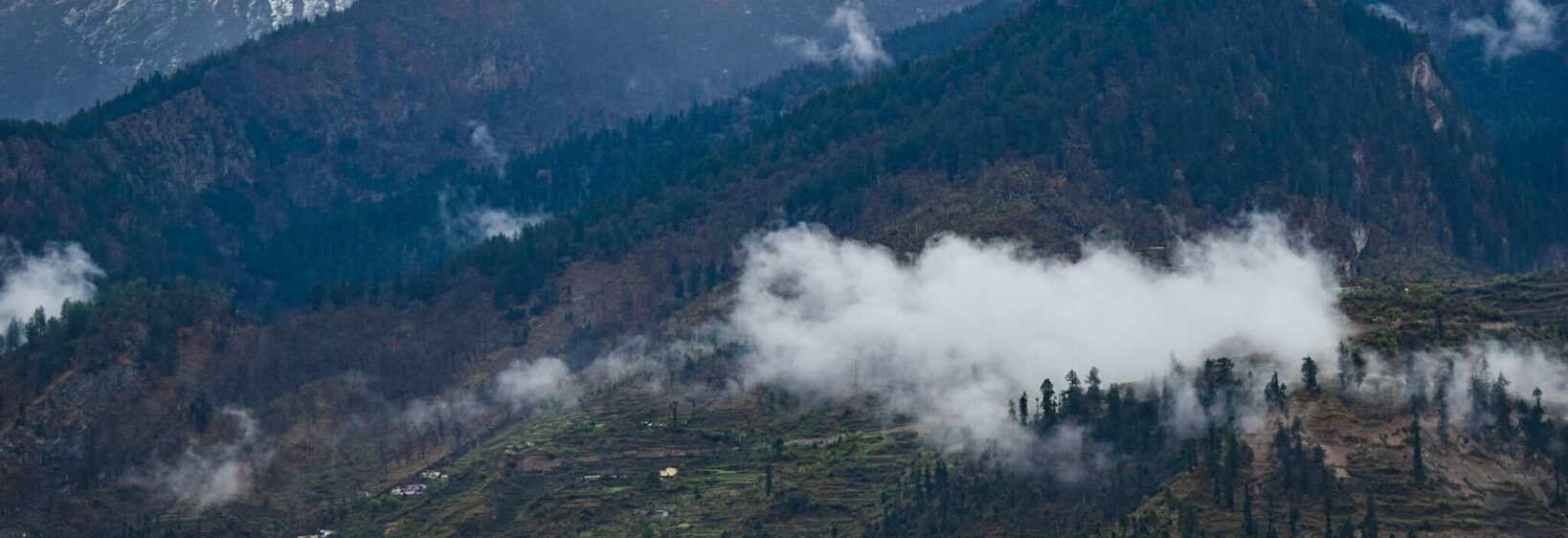
For photographers and walkers, the route offers a rich view of Garhwal’s landscape and culture. Early morning mist, flowering slopes, distant snow peaks, village homes, and simple shrines create scenes that reward patience rather than hurried travel.
The Sacred Setting Of Rudranath
Rudranath Temple stands at roughly 3,600 metres in the Chamoli district. The naturally formed rock inside the temple is worshipped as Shiva’s face, making the shrine distinct from the other Panch Kedar temples. Surrounded by mountain pastures and dramatic ridgelines, it has an atmosphere of stillness that deepens the spiritual experience.
Devotees often visit during the summer pilgrimage season, when the temple is accessible and local priests conduct regular worship. Small water bodies and sacred sites around the shrine add to the religious character of the landscape. Visitors should follow local customs, avoid loud behaviour, and ask before photographing rituals or residents.
Choosing A Route Through Garhwal
One commonly used approach begins near Sagar village, close to Gopeshwar. The path climbs through forested sections and reaches resting areas such as Panar Bugyal, where broad alpine meadows provide space for camping and expansive views. From there, the trail continues towards Pitradhar and the Rudranath valley.
Other approaches connect with villages including Gairoli and Anasuya Devi, although route conditions and access can change each season. Distances are often described differently by guides because roadheads, campsites, and starting points vary. Confirm the current trail, bridge conditions, permits, and accommodation options with a local guide before setting out.
What The Trail Feels Like
The first stages usually involve a gradual but sustained ascent through cool forest. Rhododendron blooms bring colour in spring, while moss-covered stones, bird calls, and filtered sunlight make the woodland sections especially atmospheric. During the monsoon, the same path can become muddy, slippery, and difficult to navigate.
Beyond the tree line, the character of the trek changes. Panar Bugyal and nearby meadows provide open views of the Garhwal Himalaya, but they also expose walkers to strong winds, sun, and sudden rain. The final approach may involve uneven ground and steep sections, so maintaining a slow pace is safer than trying to finish quickly.
| Trek Feature | Practical Detail |
|---|---|
| Region | Chamoli district, Uttarakhand |
| Spiritual importance | One of the Panch Kedar shrines |
| Approximate elevation | About 3,600 metres |
| Common approach | Sagar village near Gopeshwar |
| Best season | May to June and September to October |
| Main landscapes | Oak forest, rhododendron woodland, and alpine meadows |
| Stay options | Homestays, camps, and basic seasonal shelters |
When To Travel
May and June are popular because the trail is generally accessible and the meadows begin to brighten with seasonal flowers. September and October often bring clearer skies after the monsoon, making them suitable for mountain views and photography. Conditions remain changeable, so a sunny forecast should never be treated as a guarantee at high altitude.
July and August can bring heavy rain, landslides, leeches, and damaged paths. Winter snowfall may close the upper route entirely, while the temple’s seasonal routine also changes. Check official notices and local reports shortly before departure rather than relying only on older travel posts.
Preparation For A Remote Pilgrimage
This is a demanding hike, not a casual temple walk. Build stamina with regular uphill walking, carry a comfortable backpack, and use broken-in trekking shoes with reliable grip. Warm layers, waterproof protection, a headlamp, walking poles, sunscreen, water purification supplies, and a basic first-aid kit are valuable additions.
Altitude can affect even experienced hikers. Walk slowly, drink regularly, eat simple energy-rich meals, and take symptoms such as severe headache, dizziness, nausea, or unusual breathlessness seriously. A registered local guide can help with navigation, weather decisions, campsite arrangements, and communication with villages along the trail.
Those interested in Himalayan routes can also explore the Munsiyari Khaliya Top trek for a different combination of mountain scenery and highland walking. For regional travel stories, photographs, and Uttarakhand destination ideas, visit the Uttarakhand travel gallery.
Travel Responsibly In The Himalaya
Rudranath’s remoteness is part of its appeal, yet it also makes responsible travel essential. Carry reusable bottles, pack out wrappers, avoid single-use plastic, and never leave waste near streams or campsites. Stay on established paths where possible, especially across fragile meadow vegetation.
Support local homestays, porters, cooks, and guides instead of bringing every service from outside the region. Respect village privacy, dress modestly near shrines, and learn a few local greetings. Small choices help preserve both the pilgrimage tradition and the mountain environment.
A Practical Packing Checklist
- Layered woollen clothing, a rain jacket, gloves, and a warm cap
- Sturdy trekking shoes, spare socks, and trekking poles
- Reusable water bottles, purification tablets, and high-energy snacks
- Headlamp, power bank, personal medicines, and a compact first-aid kit
- Identification, emergency contacts, cash, and copies of necessary permits
The Rudranath route is best experienced with time for rest, observation, and conversation with local people. Plan the journey carefully, travel with respect, and let the forests, meadows, and sacred landscape shape the pilgrimage as much as the temple itself.