Guide to the Kausani Tea Estate Walks and Views
Kausani is best known for its wide Himalayan panorama, peaceful hill roads, and slow village rhythm. Located in Uttarakhand’s Bageshwar district, this mountain retreat offers a gentler alternative to crowded tourist centres, with pine forests, terraced fields, and clear views of Nanda Devi, Trishul, and Panchachuli on favourable days.
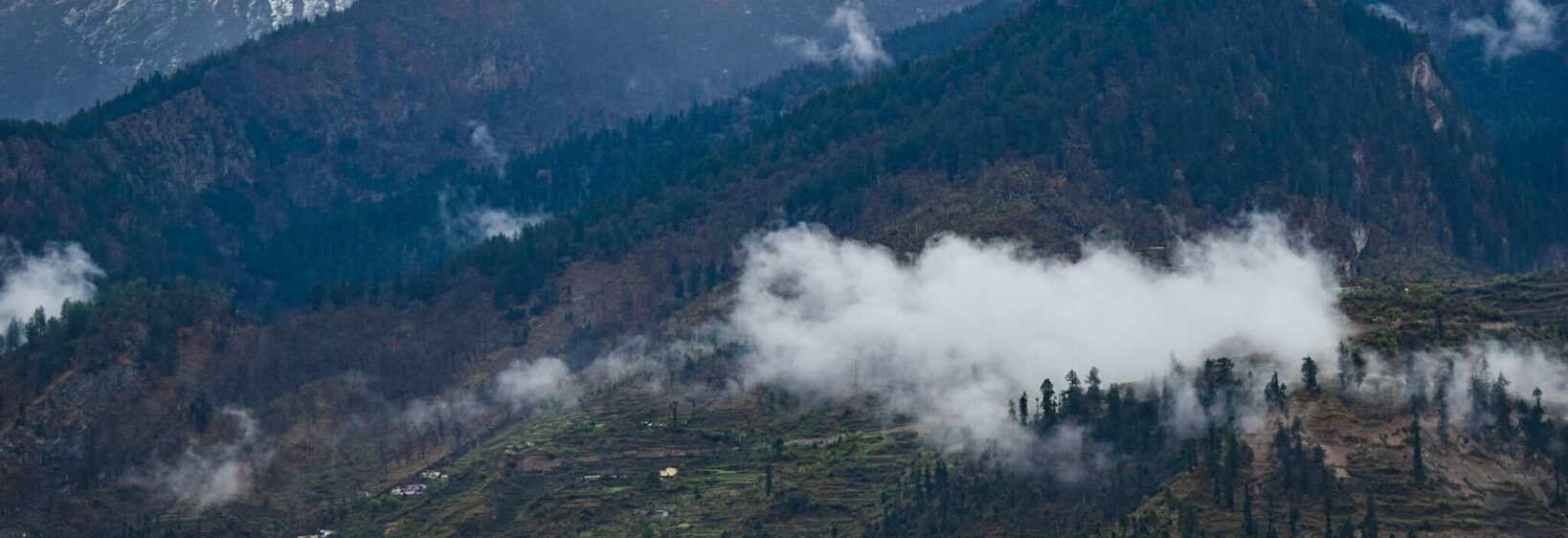
The Kausani Tea Estate adds another pleasant experience to a stay. Its paths pass through neatly planted tea bushes and open slopes, creating an easy walk for travellers who want scenery without a demanding trek. The estate is especially attractive in the early morning and late afternoon, when soft light gives the hills a layered, atmospheric appearance.
A visit can be combined with local temples, village photography, short nature walks, and a relaxed exploration of Kausani’s cafés and viewpoints. Carrying a camera is worthwhile, since the landscape changes quickly with cloud, sunlight, and mountain haze.
Reaching The Tea Estate
The tea estate lies a short drive from Kausani’s main market and hotel area. Local taxis are the most convenient option, while visitors with private vehicles can usually reach the entrance without difficulty. Roads in the hills are winding, so allow extra time during monsoon weather or busy holiday periods.
The approach itself is scenic, with deodar and pine trees, small settlements, and cultivated slopes along the route. Ask your driver about the best stopping points, as some roadside bends provide excellent views that may be missed when travelling directly to the estate.
Walking Through The Tea Gardens
The estate walk is generally easy and suitable for families, older visitors, and casual photographers. Footpaths run between rows of tea plants, and the pace is best kept slow enough to notice leaf patterns, birds, changing textures, and the work involved in maintaining the plantation.
Wear shoes with a firm grip because the ground can become slippery after rain. A light jacket, drinking water, sun protection, and insect repellent are useful additions. Visitors should stay on established paths, avoid stepping into planted rows, and ask before photographing workers.
Best Viewpoints And Light
The most rewarding views usually appear in the morning, when the air is cooler and visibility is often better. Sunrise colours can reach the distant snow peaks, although cloud cover is common and should be treated as part of the mountain scenery rather than a disappointment.
Late afternoon brings warmer tones across the tea bushes and surrounding ridges. For travellers interested in landscape photography, the estate works well with a wide-angle lens, while a telephoto lens can isolate distant peaks between pine branches. Those planning a broader photography trip can also explore these Nainital walking trails for a contrasting lake-and-town setting.
| Experience | Ideal Time | Walking Level | What To Carry |
|---|---|---|---|
| Tea garden stroll | Morning | Easy | Water, walking shoes |
| Himalayan panorama | Early morning | Easy | Camera, warm layer |
| Golden-hour photography | Late afternoon | Easy | Tripod, sun protection |
| Monsoon landscape | July to September | Easy to moderate | Rain jacket, grip shoes |
| Village and estate visit | October to November | Easy | Comfortable clothing |
Seasonal Changes Around Kausani
Spring brings fresh greenery and pleasant temperatures, making March to May a comfortable period for walking. The hills look bright and clear after winter, while the growing tea plants add colour to the estate landscape.
The monsoon months create lush scenery but can bring mist, wet paths, and occasional road interruptions. Autumn and early winter often provide crisp mountain visibility. December and January can be cold, particularly in the morning, so visitors should dress in layers and check local conditions before setting out.
Combining The Walk With Local Sights
The tea estate can be included in a half-day Kausani itinerary alongside Anashakti Ashram, Baijnath Temple, and nearby village viewpoints. Anashakti Ashram has a quiet connection with Mahatma Gandhi and offers a reflective stop, while Baijnath is known for its historic temple architecture and riverside setting.
Travellers staying longer can add short hikes, birdwatching, and visits to local craft shops. The wider region is also suitable for peaceful photography of traditional homes, mountain farms, prayer flags, and everyday life. For route planning, accommodation ideas, and other regional attractions, browse the wider Uttarakhand travel guide.
Responsible Visits And Practical Tips
Tea estates are working landscapes, so respectful behaviour helps preserve both the environment and the local experience. Avoid littering, keep noise low, and do not pick leaves unless a guide or estate representative permits it. Entry arrangements and visiting hours may change, so confirm details locally before travelling.
A simple plan makes the walk more enjoyable:
- Start early for clearer Himalayan views and cooler temperatures.
- Reserve extra time for photography instead of rushing through the garden.
- Carry cash for small purchases, local guides, or transport.
- Check weather and road conditions before leaving your accommodation.
- Support nearby cafés, homestays, and locally made tea products.
Kausani’s tea estate is a small but memorable stop for anyone seeking quiet landscapes, accessible walking routes, and authentic hill scenery. Add it to a wider Uttarakhand journey, take time to observe the changing mountain light, and record the visit through photographs and respectful local encounters.