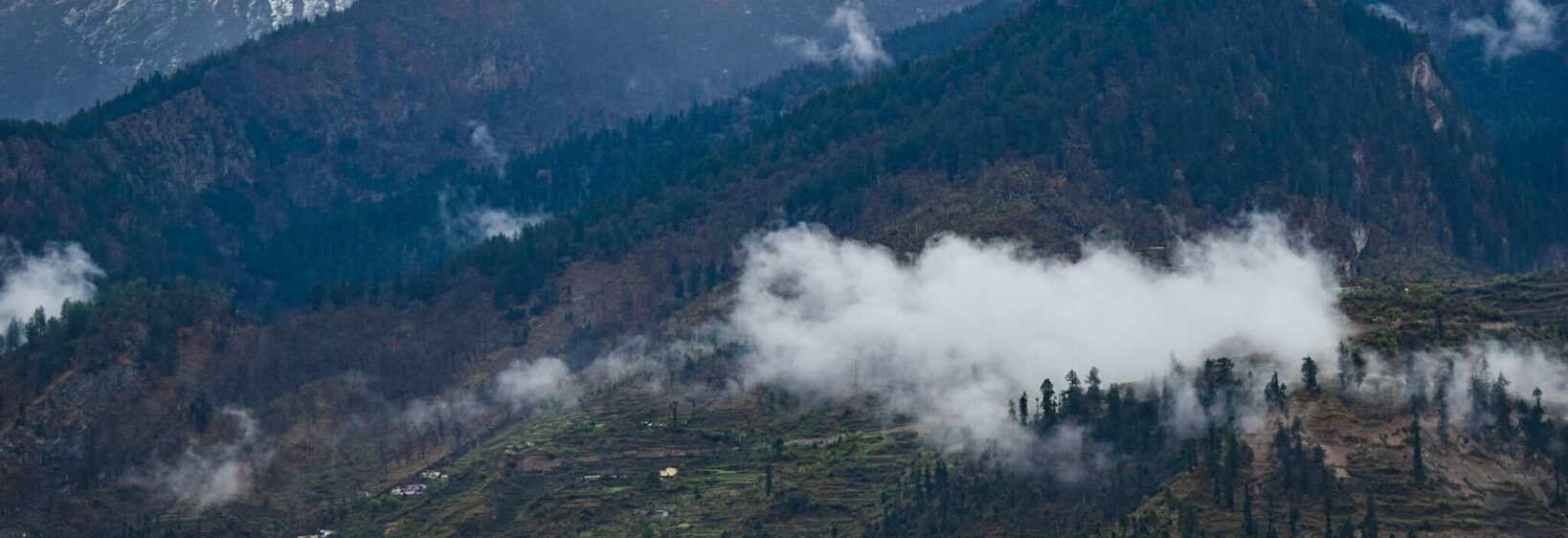
Best Photo Spots Along the Rishikesh to Badrinath Highway
The road from Rishikesh to Badrinath follows the Alaknanda and Bhagirathi river valleys, passing through forested hills, sacred towns, suspension bridges, and dramatic mountain terrain. Every section offers a different visual character, from warm Himalayan foothills to high-altitude landscapes near the temple town.
This route is ideal for landscape photography, travel portraits, road-trip images, and documentation of Garhwali culture. Early mornings usually provide softer light, quieter roads, and clearer views before clouds gather around the higher ridges.
Photographers who enjoy short walks can also explore nearby trails before beginning the drive. The Tiffin Top trek is a useful example of how a brief hill excursion can produce varied forest and mountain photographs.
Riverside Views Near Rishikesh
The journey begins with striking river scenery around Rishikesh, Shivpuri, and Kaudiyala. Look for viewpoints where the Ganga narrows between rocky walls, especially in the morning when the water reflects the pale sky. Rafting camps, suspension bridges, forest slopes, and passing boats add scale to wide-angle compositions.
Kaudiyala is particularly attractive for action photography. Rafting groups create energetic foreground movement, while the surrounding sal forests provide a strong green frame. Use a fast shutter speed for splashing water, or try a slower exposure from a secure viewpoint to soften the river’s movement.
Devprayag’s Sacred Confluence
Devprayag is one of the most important photographic stops on the highway. Here, the Bhagirathi and Alaknanda meet to form the Ganga. The two rivers can often be distinguished by their contrasting colours, making the confluence especially effective for aerial-style compositions from higher viewpoints.
The town’s stepped riverfront, old houses, temples, and hillside settlement offer excellent cultural subjects. Photograph respectfully around Raghunathji Temple and avoid blocking narrow lanes. Late afternoon light can bring out the textures of stone walls and brightly painted shrines.
Srinagar And Rudraprayag Landscapes
Srinagar Garhwal combines a busy town atmosphere with broad valley views. Its rooftops, market streets, and surrounding terraces show everyday life in the central Himalaya. A short stop here works well for documentary images, portraits, and photographs of local architecture rather than only scenic panoramas.
At Rudraprayag, the Alaknanda and Mandakini rivers meet beneath steep mountain slopes. The confluence area, bridges, and temple surroundings provide layered compositions with water, settlement, and rugged terrain. Early light is best for separating the ridgelines, while cloudy conditions create a moodier image of the valley.
| Location | Strongest Subjects | Ideal Light | Useful Approach |
|---|---|---|---|
| Rishikesh and Kaudiyala | River, rafting, forest | Morning | Fast shutter or wide-angle lens |
| Devprayag | River confluence, temples, old town | Late afternoon | Shoot from elevated viewpoints |
| Rudraprayag | Meeting rivers, bridges, valleys | Early morning | Include foreground rocks or railings |
| Karnaprayag and Nandprayag | River bends, villages, terraces | Morning or overcast | Use layered compositions |
| Joshimath and Vishnuprayag | High mountains, gorges, shrines | Clear morning | Carry a telephoto lens |
| Badrinath | Temple, peaks, pilgrimage scenes | Early morning | Respect restrictions and local customs |
Karnaprayag And Nandprayag
The highway becomes increasingly scenic beyond Rudraprayag. Karnaprayag sits near the meeting point of the Alaknanda and Pindar rivers, with town rooftops and mountain ridges rising around the valley. It is a good place to photograph river bends, hillside homes, and the relationship between settlement and terrain.
Nandprayag offers another attractive confluence, where the Alaknanda meets the Nandakini. The landscape is narrower and more dramatic, with steep slopes and bridges creating natural leading lines. Look for moments when sunlight breaks through clouds and illuminates one section of the valley.
Joshimath To Badrinath
Joshimath is a major gateway to high Himalayan destinations and offers views of forested slopes, snow-covered summits, and traditional mountain settlements. A telephoto lens is valuable here for isolating distant ridges, temple details, or small villages across the valley. Sunrise often gives the clearest mountain visibility.
Between Joshimath and Badrinath, Vishnuprayag, Govindghat, and the winding Alaknanda gorge provide some of the route’s most powerful scenery. The road becomes narrower in places, so photograph only from safe pull-offs. Near Badrinath, the temple, colourful pilgrim activity, and surrounding peaks create memorable images, although certain areas may have photography restrictions.
Planning A Safer Photo Drive
Weather can change quickly along the highway. Monsoon rain may cause landslides and muddy viewpoints, while winter snow can affect access near Badrinath. Check road conditions, allow extra travel time, and avoid planning every stop around a fixed schedule.
Keep equipment simple and protected. A camera or phone, wide-angle lens, telephoto lens, spare batteries, a rain cover, and a microfiber cloth are usually enough for this journey. Respect local residents, pilgrims, wildlife, and religious spaces while photographing.
- Stop only at designated lay-bys or wide, stable roadside areas.
- Carry a polarising filter for river glare and hazy mountain views.
- Photograph villages and people only after receiving clear permission.
- Keep a safe distance from cliff edges, waterfalls, and fast-moving rivers.
- Protect batteries and memory cards from rain, dust, and cold temperatures.
From the first river bends near Rishikesh to the high valleys around Badrinath, this Himalayan road offers an exceptional variety of subjects within one journey. Pack light, start early, and record both the grand landscapes and the small cultural details that give the route its character.