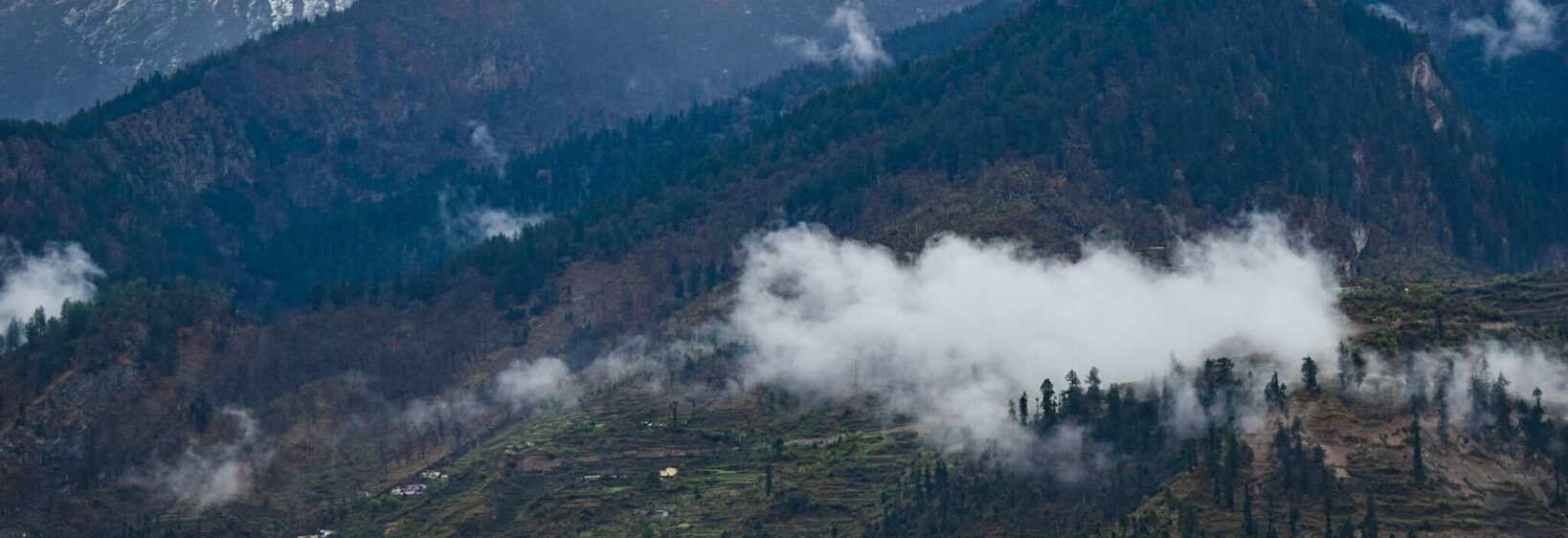
The Bhimtal Lake sunset: boating and photography tips
Bhimtal Lake becomes especially captivating in the late afternoon, when the Kumaon hills turn golden and their reflections stretch across the water. Located near Nainital, this peaceful lake offers a quieter setting for boating, walking, and landscape photography.
The sunset is rarely a single burst of colour. Light changes gradually, moving from bright gold to soft pink, lavender, and deep blue. Planning around this transition helps visitors enjoy the scenery without rushing between the boat jetty and the best viewpoints.
For more ideas about Uttarakhand destinations, local customs, and image-friendly places, the Uttarakhand travel stories on UK Photos Gallery provide useful regional context before a trip.
Choose the right time to arrive
Reach Bhimtal at least 45 minutes before sunset. This gives you time to check the boating schedule, walk along the lakeside, and identify a clear view before the busiest period begins. Sunset time varies considerably between seasons, so check a reliable local weather or sunrise-sunset application.
The lake may appear calm and bright before the sun reaches the ridge, but the most attractive reflections often develop later. Remain for 15 to 20 minutes after the sun disappears, when the sky can retain colour and the water becomes a smooth, blue-toned foreground.
Make the most of a boat ride
A paddle boat or rowing boat offers a moving viewpoint and places the lake’s open surface between the camera and the surrounding hills. Ask the boat operator to slow down briefly when the light is strongest, but avoid standing up or changing seats suddenly. Stability matters for both safety and sharp photographs.
Keep the camera facing away from direct glare if the highlights become too harsh. Reflections of trees, rooftops, and the hills can create stronger compositions than the sun itself. The island temple and distant shoreline also provide useful subjects, especially when included as small silhouettes within a wide frame.
Find strong viewpoints around the shoreline
The main boating area is convenient, but it is not the only place to photograph evening light. Lakeside paths and quieter edges may reveal open views with fewer people in the foreground. A slightly elevated position helps show the curve of the lake and the layered ridges beyond it.
Look for natural frames such as branches, railings, boat roofs, or lakeside plants. These details add depth to a sunset image. Leave enough space around the sun and avoid placing the horizon directly through the centre unless a deliberate reflection-based composition calls for it.
Camera settings for changing light
Sunset photography benefits from simple, controlled settings rather than excessive editing. Use a low ISO when the camera is supported, and adjust the shutter speed as the scene darkens. If photographing from a boat, a faster shutter speed helps compensate for small movements.
| Situation | Useful starting point | Practical reason |
|---|---|---|
| Bright golden light | ISO 100–200, 1/250 sec | Controls glare and preserves detail |
| Reflections from a stable shore | ISO 100, 1/60 sec | Allows a cleaner, richer water surface |
| Photographing from a moving boat | ISO 400–800, 1/250 sec or faster | Reduces blur caused by movement |
| Blue-hour silhouettes | ISO 400–800, 1/60–1/125 sec | Retains colour after sunset |
| Smartphone photography | HDR or night mode when needed | Balances bright sky and darker foreground |
Tap or focus on the brightest part of the sky, then check the image for clipped highlights. Slightly underexposing can preserve cloud colour and create more dramatic silhouettes. Shoot in RAW when possible, but keep a few natural-looking versions rather than making every image heavily saturated.
Respect the lake and local atmosphere
Bhimtal is a lived-in destination, not simply a scenic backdrop. Keep plastic, food wrappers, and disposable items away from the water, and follow instructions from boat operators. Avoid loud music during the sunset period, when visitors often come to enjoy the quiet.
Photography should also remain considerate around temples, worshippers, and local residents. Ask permission before making close portraits. The broader cultural setting matters here, and readers interested in the region’s sound traditions can explore this folk music guide for a deeper connection with Kumaoni and Uttarakhandi heritage.
Pack for comfort and changing weather
Evenings near the lake can feel cool, particularly after the sun drops behind the hills. Carry a light jacket, a small cloth for wiping mist from lenses, and a waterproof cover for cameras or phones. A compact tripod is useful on the shore, though it may be impractical during a boat ride.
Wear shoes with dependable grip because lakeside paths can become damp or uneven. Keep spare batteries and a power bank in an inside pocket during colder months. If clouds gather, do not leave immediately; broken cloud often produces the most textured and memorable sunset light.
Practical habits for better photographs
- Arrive early enough to inspect both the jetty and nearby shoreline.
- Clean the lens before photographing reflections or bright skies.
- Include a boat, tree, or person for scale in wide landscape frames.
- Take vertical and horizontal images for different publishing formats.
- Stay briefly after sunset to capture blue-hour colours.
A thoughtful visit combines safe boating, patient observation, and respect for Bhimtal’s natural and cultural character. Save the best photographs, record the season and viewpoint, and share the lake’s changing evening mood through the wider Uttarakhand travel community.