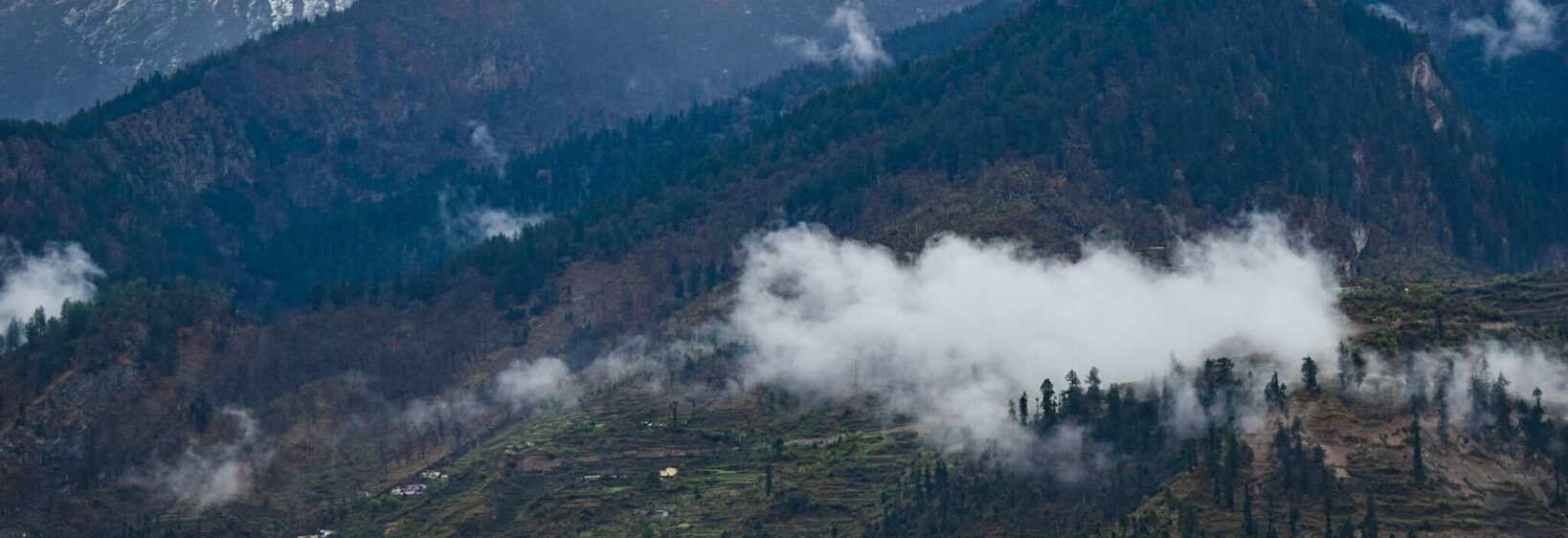
Binsar Wildlife Sanctuary: Wild Forests And Himalayan Views
Set in the Kumaon Himalayas of Uttarakhand, Binsar Wildlife Sanctuary is a peaceful destination for forest walks, birdwatching, and wide mountain panoramas. Its oak-covered slopes, quiet trails, and clean alpine air offer a slower alternative to crowded hill stations.
The sanctuary lies in Almora district, around 30–35 kilometres from Almora town. It is especially attractive in spring, when rhododendrons add colour to the forest, and in autumn, when clear skies often reveal a dramatic Himalayan skyline.
For travellers planning a wider Kumaon journey, the Uttarakhand travel guide provides useful inspiration for combining Binsar with destinations such as Ranikhet, Jageshwar, Kausani, and Mukteshwar.
Forest Landscape And Location
Binsar Wildlife Sanctuary occupies a high ridge in the Kumaon region, with elevations rising to approximately 2,400 metres. The protected area was established in 1988 to conserve the region’s oak forests and Himalayan biodiversity.
The landscape is shaped by banj oak, rhododendron, deodar, and pine. Moss-covered trunks, steep slopes, and shafts of sunlight create excellent conditions for nature photography. In quieter areas, the forest feels untouched, with only birdsong and the sound of wind moving through the leaves.
Wildlife And Birdwatching
Binsar is home to a variety of Himalayan animals, although sightings depend on patience, season, and luck. Visitors may encounter barking deer, goral, wild boar, foxes, porcupines, and langurs. Leopards and Himalayan black bears also inhabit the wider forest, but they are rarely seen by ordinary visitors.
The sanctuary is particularly rewarding for birdwatchers. Himalayan woodpeckers, laughingthrushes, parakeets, flycatchers, barbets, eagles, and kalij pheasants are among the species that may be spotted. Early morning is usually the best time to explore, when birds are active and the forest is at its quietest.
| Experience | Best Time | What To Expect |
|---|---|---|
| Birdwatching | Early morning | Woodland birds and forest calls |
| Himalayan views | Autumn to spring | Clear views of distant snowy peaks |
| Rhododendron bloom | March to April | Red and pink flowers along forest paths |
| Nature walks | October to June | Cool weather and peaceful trails |
| Photography | Morning and late afternoon | Soft light, trees, valleys, and wildlife signs |
The View From Zero Point
The most famous viewpoint inside the sanctuary is Zero Point, reached by a forest route from the main entry area. The walk is generally manageable for travellers with average fitness, though uneven ground and a gradual climb make comfortable footwear important.
On a clear day, the viewpoint opens towards several Himalayan peaks, including Nanda Devi, Nanda Kot, Trishul, and Shivling. The exact panorama changes with clouds and haze, so the clearest views are often found after the monsoon or during the colder months. Sunrise and late afternoon can produce beautiful golden light across the ridges.
Walking Trails And Outdoor Activities
Binsar is best experienced on foot. Short woodland walks allow visitors to appreciate the sanctuary’s plants, insects, bird calls, and changing mountain light. Longer hikes can be arranged with local guidance, particularly for travellers interested in photography or identifying native bird species.
Camping may be available in designated areas outside or around the sanctuary, while forest lodges, guesthouses, and homestays provide more comfortable options. Visitors should avoid loud music, plastic waste, and wandering away from marked routes, since the forest is a protected habitat rather than a conventional picnic ground.
When To Visit And What To Carry
Binsar remains pleasant during much of the year, but each season offers a different experience. Spring brings blossoms and active birdlife, summer offers comfortable daytime temperatures, and autumn usually provides the clearest mountain views. Winter can be cold, with occasional frost and difficult conditions on shaded paths.
Monsoon travel requires caution because rain can reduce visibility and make trails slippery. Before leaving, confirm sanctuary entry rules, opening hours, road conditions, and local accommodation availability. Carry layered clothing, water, sturdy shoes, sun protection, binoculars, and a small bag for carrying all waste.
Responsible Travel Practices
Protecting Binsar’s quiet character is part of the visitor experience. Keep a respectful distance from animals, never feed birds or monkeys, and use a camera without flash when photographing wildlife. A local guide can improve both safety and understanding of the forest.
- Start walks early and return before darkness.
- Stay on established trails and follow forest instructions.
- Carry reusable bottles and avoid single-use plastic.
- Keep voices low during birdwatching and wildlife viewing.
- Support local guides, homestays, and small Kumaoni businesses.
Binsar offers a memorable combination of wildlife habitat, oak woodland, village culture, and Himalayan scenery. Plan a responsible visit, keep time for the Zero Point walk, and explore the surrounding Kumaon region at a relaxed pace.