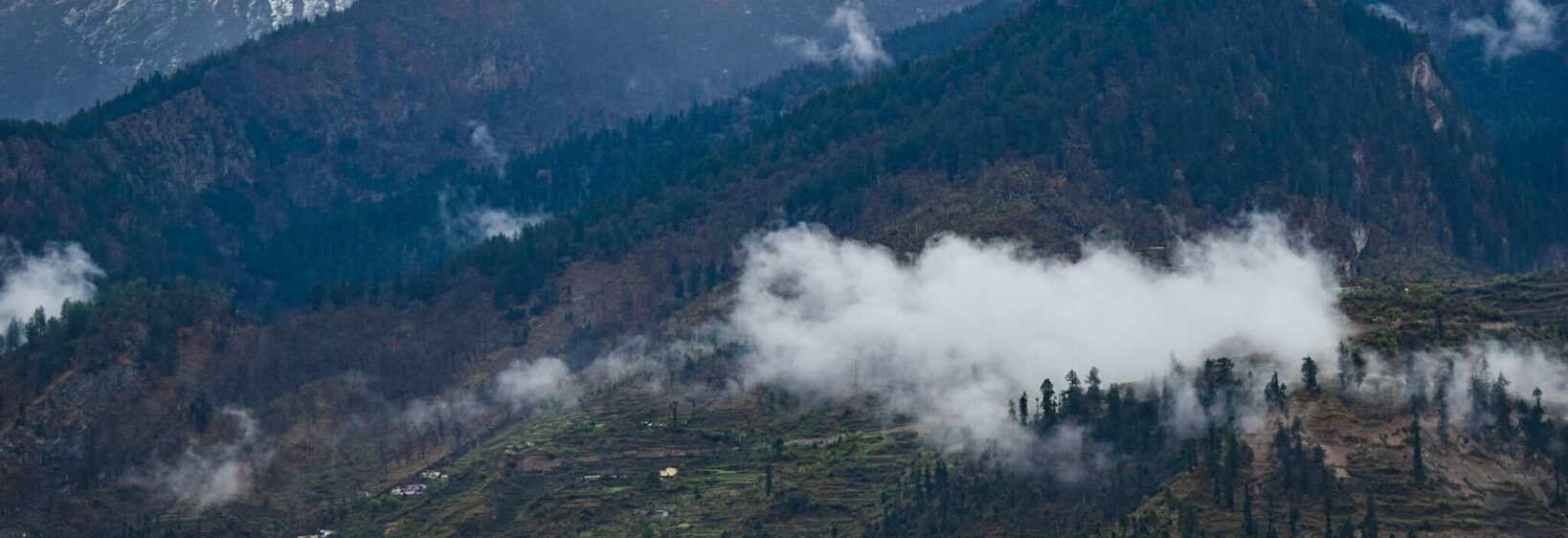
A Guide to Parvati Temple in Lohaghat’s Pine Forests
Lohaghat is a peaceful hill town in eastern Uttarakhand, surrounded by pine-covered slopes, mountain views, and old religious traditions. Away from the busier pilgrimage routes, its small temples offer a slower way to experience the Kumaoni landscape.
The Parvati Temple is especially appealing to visitors who enjoy quiet shrines, forest walks, and local culture. The setting combines spiritual significance with the fresh scent of chir pine, birdsong, and wide views across the hills.
A visit is best planned as a gentle half-day experience rather than a rushed stop. Allow time for the approach, prayer, photography, and conversation with local residents who may share useful details about the shrine and nearby places.
Where The Temple Fits Into Lohaghat
Lohaghat lies in Champawat district and is connected by road with Champawat, Pithoragarh, Tanakpur, and other towns in the Kumaon region. The temple’s forest setting makes it feel removed from the main market, even when the journey from town is relatively short.
Local routes and access conditions can change with roadwork, monsoon rain, or seasonal events. Ask at your hotel, a nearby shop, or the local taxi stand for the latest directions before setting out, particularly if you are travelling without a private vehicle.
The Forest Setting And Temple Atmosphere
The approach through pine woodland is part of the experience. Tall trees filter the sunlight, while dry needles cover sections of the ground and create a distinct mountain fragrance. In spring and early summer, the forest can feel bright and open; during winter, the air is cooler and the light softer.
The shrine itself is suited to quiet worship rather than extended sightseeing. Visitors should keep voices low, avoid disturbing rituals, and follow any instructions regarding footwear, photography, or entry into the inner area. A small offering of flowers or fruit is generally more appropriate than plastic-wrapped items.
Best Time To Visit
Clear mornings are ideal for reaching the temple comfortably and enjoying the surrounding scenery. March to June brings pleasant walking weather, while September to November often offers crisp skies after the monsoon. Winter visits can be rewarding, although early mornings may be cold.
Rain can make forest paths slippery, and mist may reduce visibility on the approach roads. During Navratri or other Hindu festivals, the temple may be livelier than usual, with additional worshippers and local activity. Confirm timings and festival arrangements locally instead of relying on assumptions.
| Travel Detail | Practical Guidance |
|---|---|
| Best visiting hours | Morning or late afternoon |
| Recommended footwear | Comfortable shoes with good grip |
| Ideal visit length | Around one to three hours |
| Nearby base | Lohaghat town |
| Road conditions | Check locally during monsoon and winter |
| Suitable interests | Temple visits, forest walks, photography, local culture |
Getting Ready For The Visit
Carry drinking water, sun protection, a light jacket, and a small amount of cash. Mobile connectivity may be inconsistent around wooded sections, so download directions or note the route before leaving town. Avoid carrying loud music or disposable plastic into the forest.
If you are travelling with older family members, check the final walking distance in advance. The terrain may be manageable for many visitors but can still include uneven ground, steps, or sloping paths. A local taxi driver can often help identify the most convenient drop-off point.
Photography And Respectful Travel
The pine forest, temple details, and changing mountain light create attractive subjects for photography. Focus on architecture, bells, pathways, trees, and landscape views rather than photographing worshippers without permission. Avoid using flash inside the shrine and never block the entrance for a picture.
Couples and families looking for meaningful Himalayan backdrops can also explore wedding photography in Uttarakhand, especially if their itinerary includes Lohaghat, Champawat, or nearby hill locations. Even for casual travel photography, preserving the calm character of the place matters more than staging elaborate shots.
Nearby Experiences In Kumaon
A temple visit can be combined with Lohaghat’s other attractions, including Baleshwar Temple in Champawat, the Advaita Ashram at Mayavati, and scenic viewpoints around the town. These locations provide a broader picture of the region’s spiritual history, colonial-era connections, and forested terrain.
Food is another way to understand local life. Look for simple Kumaoni meals, seasonal vegetables, mandua-based dishes, and aloo ke gutke at local homes or traditional eateries. This guide to Kumaoni aloo ke gutke offers useful cultural context before sampling the dish during your journey.
Simple Ways To Travel Responsibly
- Carry reusable water bottles and bring all wrappers back to town.
- Stay on established paths instead of trampling young plants or forest undergrowth.
- Ask before photographing priests, residents, ceremonies, or private property.
- Dress modestly and observe temple customs without treating worship as a performance.
- Support local taxis, guides, shops, and small eateries where possible.
Parvati Temple offers a compact but memorable glimpse of Lohaghat’s devotional life and pine-forest beauty. Add it to a wider Champawat itinerary, travel patiently, and let the quiet surroundings become part of the visit. Save the route, check local conditions, and make this serene Kumaon shrine one of your next Uttarakhand stops.