Katarmal Sun Temple: an offbeat historical site in Uttarakhand
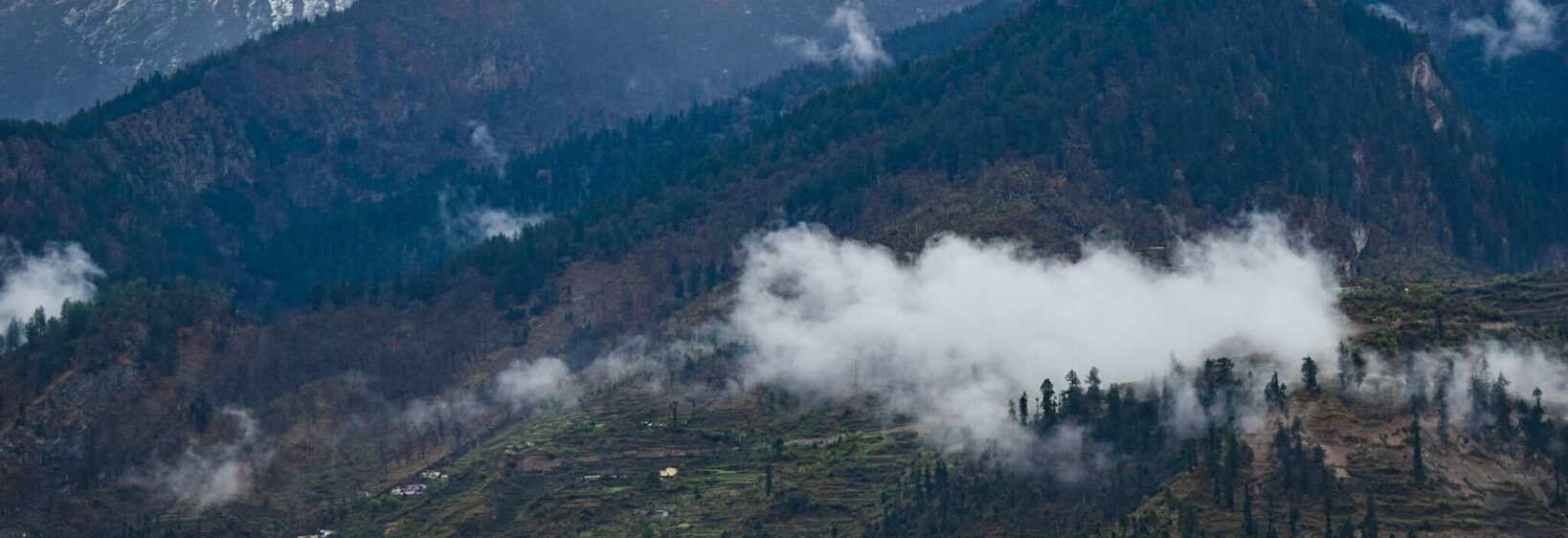
Away from the busy circuits of Nainital, Rishikesh, and Mussoorie, the Katarmal Sun Temple rests quietly in the Kumaon hills near Almora. Surrounded by terraced fields, oak forests, and wide Himalayan views, it offers a slower and more reflective travel experience.
This ancient Surya temple is often described as one of the most important sun temples in northern India after Konark. Its remote setting, stone construction, carved wooden details, and connection with the Katyuri period make it a rewarding destination for travellers interested in heritage, photography, and local culture.
A visit here is less about ticking off a famous landmark and more about noticing the relationship between architecture, landscape, and village life. The short walk to the shrine adds to its character, especially when the surrounding valleys are clear.
A temple above the Kumaon valleys
Katarmal is located in a hillside village roughly 17 kilometres from Almora. The temple stands at an elevation of around 2,100 metres, with views extending across forested ridges and cultivated slopes. From a distance, the complex appears modest, but its details become increasingly impressive as visitors approach.
The main shrine is dedicated to Surya, the sun god, and is traditionally known as Vriddha Aditya, or the old sun god. Local belief connects the temple with Katarmalla, a Katyuri ruler who is said to have commissioned it. The exact history has been shaped by oral tradition, but the temple is generally associated with the medieval Katyuri architectural period.
Stone walls and carved wooden doors
The temple complex follows a traditional hill-style layout, with a principal shrine surrounded by several smaller temples. Many accounts mention around 45 subsidiary shrines, creating a compact sacred cluster rather than a single isolated structure.
Its stone walls have endured centuries of changing weather, while the wooden entrance doors display delicate carvings. These details reflect the craftsmanship found in old Kumaoni temples, where local materials were used to create buildings suited to the mountain climate. The combination of stone, timber, and sloping terrain gives Katarmal a distinct visual identity.
The sanctum is approached through a calm courtyard, and the atmosphere is usually quiet outside major festivals. Photography is especially rewarding in the early morning, when soft light falls across the temple roof and nearby ridges.
The walk to Katarmal village
Visitors generally drive from Almora towards the Katarmal area and then continue on foot along a short uphill trail. The walking distance can vary according to the road point and local conditions, but the final approach is manageable for most reasonably fit travellers.
The path passes through village surroundings, agricultural terraces, and patches of woodland. It is not a demanding Himalayan trek, yet comfortable footwear is important because parts of the trail can be uneven or slippery after rain. Travellers carrying camera equipment should allow extra time rather than treating the walk as a quick transfer.
For those planning a longer mountain journey after exploring Almora, this Kuari Pass trek guide provides useful context on how a heritage visit can be combined with a more strenuous Garhwal experience.
When to go and what to expect
The clearest periods are usually spring and autumn, when the weather is pleasant and the mountain views are more dependable. October to April can offer crisp visibility, although winter mornings may be cold. Summer is also suitable for a day trip, while monsoon conditions can make village roads and walking paths muddy.
| Travel detail | Practical information |
|---|---|
| Location | Katarmal village near Almora, Kumaon |
| Main attraction | Medieval Surya temple and subsidiary shrines |
| Walking requirement | Short uphill walk from the road |
| Best seasons | Spring, autumn, and clear winter days |
| Ideal interests | Heritage, photography, village culture, quiet travel |
| Useful items | Walking shoes, water, sun protection, camera |
There are limited facilities immediately around the temple, so visitors should carry drinking water and a small snack. Public transport may not reach the final approach conveniently, making a private vehicle, local taxi, or arranged sightseeing trip more practical.
A quieter alternative to crowded attractions
Katarmal Sun Temple appeals to travellers who prefer places with a strong sense of atmosphere. It does not have the commercial activity found around major hill stations, and that relative quiet makes it easier to observe the building and its surroundings.
The site can also be included in a broader Almora itinerary featuring Kasar Devi, Chitai Golu Devta Temple, Binsar, and local Kumaoni villages. Each destination offers a different view of the region, from forest landscapes and pilgrimage traditions to folk belief and everyday mountain life.
Visitors should remember that this is an active religious site, not simply an archaeological monument. Modest clothing, a quiet manner, and respect for worshippers help preserve the temple’s peaceful character.
A respectful visit checklist
A little preparation makes the experience more comfortable and protects the historic site.
- Wear sturdy shoes for the uphill village path and uneven stone surfaces.
- Carry water, basic snacks, sun protection, and cash for local transport.
- Ask before photographing worshippers, rituals, or restricted areas.
- Avoid touching carvings, leaning against old walls, or leaving litter.
- Speak with local residents to learn more about the temple’s traditions and stories.
Katarmal rewards unhurried travel. Spend time in the courtyard, study the wooden carvings, watch the changing light over the hills, and listen to the local stories connected with the shrine. Add this remarkable Kumaon heritage site to your Uttarakhand itinerary and experience a quieter side of the Himalayas.