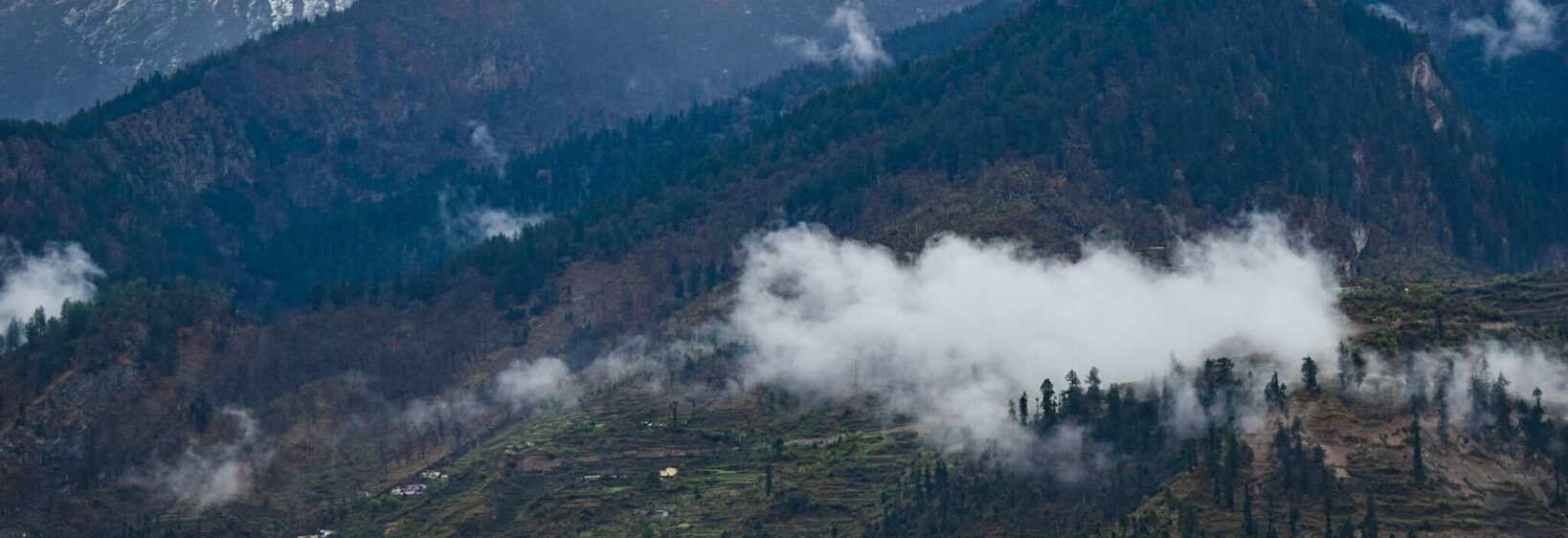
Autumn Colors In The Kedarnath Valley: A Photo Walk
When the monsoon clouds lift from the Garhwal Himalaya, the Kedarnath Valley takes on a quieter, clearer character. Autumn sunlight touches the slopes with warm gold, while the high ridges hold the first hints of winter. The pilgrimage crowds begin to thin, creating peaceful opportunities for slow travel and landscape photography.
This is a valley of contrasts: dark conifers against pale rock, saffron grasses beside rushing streams, and traditional villages framed by snow-marked peaks. A camera walk here is less about collecting famous viewpoints and more about noticing changing light, mountain textures, and everyday life.
For wider coverage of Uttarakhand’s landscapes, heritage, and local travel routes, explore these Uttarakhand photo stories before planning a visit.
Reading The Valley Through Autumn Light
Morning is often the most rewarding time for photography. Clear air gives distant ridgelines a crisp outline, while low sunlight reveals the folds of the mountains. Around forests and village paths, the soft light helps separate yellow leaves, mossy stones, and weathered wooden walls without creating harsh contrast.
By late afternoon, the valley changes again. Slanting light turns dry meadows copper and gives the Mandakini River bright silver highlights. Watch for brief shafts of sunlight passing through clouds; these moments can make an ordinary trail look dramatic without requiring heavy editing.
Forest Colors And Mountain Details
The lower sections of the valley may show a mixture of oak, maple, pine, and other Himalayan vegetation, while higher trails bring more austere landscapes of birch, shrubs, and alpine grass. Not every hillside becomes intensely red or orange, but the variety of muted green, ochre, rust, and brown creates a natural autumn palette.
A photo walk should include small details. Focus on curled leaves caught in a stream, lichen on old stones, prayer flags moving in the wind, or frost beginning to settle on shaded grass. These close views add rhythm to a gallery and help tell the story of the season beyond wide mountain panoramas.
A Practical Walk From Gaurikund
Gaurikund is a natural starting point for the route toward Kedarnath, although the trek is demanding and conditions can change quickly. Rather than rushing toward a single destination, photographers can work in short sections, pausing near bridges, forest bends, rest points, and open clearings. The route offers changing perspectives as the trail rises above the river.
The Kedarnath shrine area and surrounding valley are culturally significant, so photography should remain respectful. Ask before photographing residents, porters, shopkeepers, or pilgrims at close range. Keep equipment compact, avoid blocking the trail, and never step into restricted areas for a better composition.
| Photo subject | Best light | Useful approach |
|---|---|---|
| Golden foliage | Early morning or late afternoon | Use backlight to show translucent leaves |
| Mandakini River | Morning or overcast hours | Try a slower shutter speed with stable support |
| Mountain ridges | Clear morning | Include foreground rocks or grasses for depth |
| Village pathways | Soft afternoon light | Photograph textures and daily details respectfully |
| Temple surroundings | Gentle, indirect light | Follow local customs and avoid intrusive framing |
Weather, Gear, And Trail Awareness
Autumn days can feel comfortable in sunshine but turn cold soon after sunset. Carry layered clothing, gloves, a rain shell, sunglasses, water, and high-energy snacks. A wide-angle lens suits valley scenes, while a short telephoto lens is useful for distant ridges, rooflines, and compressed layers of forest.
A lightweight tripod can help with river movement and low-light scenes, but it may be unnecessary on crowded or narrow sections. Extra batteries are important because cold temperatures reduce battery life. Keep cameras and phones protected from sudden rain, dust, and condensation when moving between warm rooms and cold air.
Framing Local Life In The Landscape
The strongest images often connect people and place. A mule train climbing a steep path, smoke rising from a village kitchen, or a woollen shawl bright against a grey stone wall can provide scale and character. Look for natural moments rather than directing strangers, and let the surroundings remain part of the frame.
Traditional architecture, small shrines, wooden balconies, and seasonal stores of grain reveal how communities adapt to mountain conditions. Photographing these details with patience creates a visual record of Kedarnath’s cultural landscape, rather than reducing the valley to scenery alone.
Responsible Travel In A Sacred Valley
Autumn travel supports local guides, homestays, cafés, transport operators, and porters after the busiest pilgrimage periods. Choosing locally owned services helps keep that benefit within the valley. Carry reusable containers, avoid disposable plastic, and take all waste back to an appropriate collection point.
Stay on established paths wherever possible, especially near fragile alpine vegetation and riverbanks. Do not pick flowers, disturb wildlife, or move stones around shrines and trail markers. A considerate photographer leaves the scene unchanged, allowing the next visitor to experience the same quiet beauty.
Pack these priorities before setting out:
- Begin early, allowing time for slow walking and changing weather.
- Carry spare batteries, memory cards, and a waterproof camera cover.
- Use layered clothing and sturdy footwear with reliable grip.
- Ask permission before making close portraits or photographing private spaces.
- Record the village, trail, and season with accurate notes for future reference.
A carefully paced autumn visit can turn the Kedarnath route into a series of intimate photographs: amber leaves, blue shadows, sacred architecture, and people moving through an immense mountain setting. Plan with local conditions in mind, travel respectfully, and bring home images that preserve both the colors and the character of the valley.