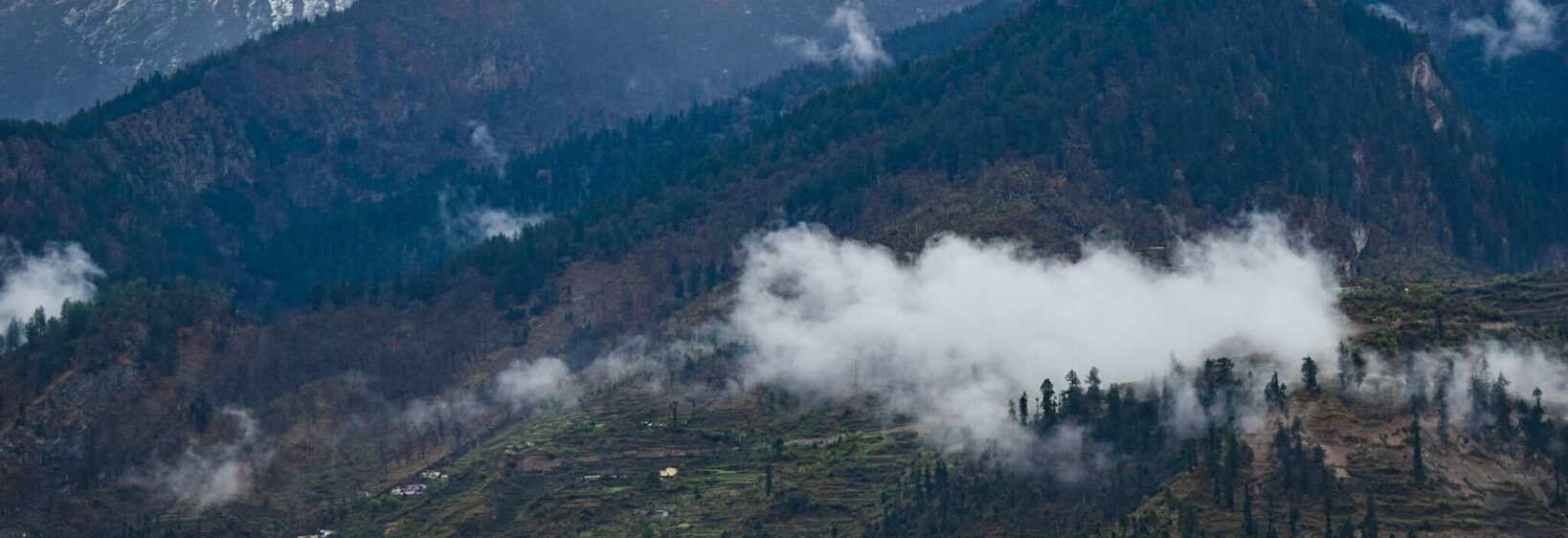
Madhyamaheshwar Temple Trek Through Uttarakhand’s High Valleys
The Madhyamahwar Temple Trek leads into the quiet folds of the Garhwal Himalaya, far from the busy pilgrimage routes around Kedarnath and Badrinath. Located in Rudraprayag district, this sacred journey combines forest trails, village hospitality, alpine meadows, and dramatic views of Chaukhamba.
Madhyamaheshwar is one of the Panch Kedar temples, a group of five important Shiva shrines in Uttarakhand. The temple is believed to enshrine the navel and stomach of Lord Shiva, making the pilgrimage deeply significant for devotees and especially rewarding for travellers seeking a remote Himalayan experience.
Where The Pilgrimage Begins
Most trekkers reach Uniana, the traditional roadhead near Ransi village, after travelling through Ukhimath and Kund. Some itineraries begin at Ransi itself, depending on road conditions and the chosen route. The trail then follows the Madhyamaheshwar Ganga through a narrow, green valley.
The walk passes through Gaundar, Bantoli, and Khamma Bugyal before reaching the temple settlement. Small guesthouses and homestays are available along parts of the route, although facilities remain basic. Travellers should carry cash, personal medicines, and sufficient snacks because shops are limited.
Route, Distance, And Difficulty
The trek from Uniana to the shrine is approximately 16 to 20 kilometres one way, depending on the starting point and trail variation. It is usually completed over two or three days, with an overnight stay at Gaundar or Bantoli and another night near Madhyamaheshwar for a more relaxed return.
The trail includes steep stone steps, forest climbs, muddy sections, and long undulating stretches. Most fit walkers can manage it with steady pacing, but the altitude of roughly 3,289 metres can make the final ascent tiring. Proper footwear and gradual acclimatisation are more useful than rushing to complete the route.
Forests, Villages, And Mountain Views
The lower trail is shaded by oak, rhododendron, maple, and deodar forests. In spring, rhododendron blossoms add vivid colour to the hillsides, while summer brings clear views of grazing grounds and distant snow peaks. Monsoon months create rich greenery but can also bring slippery paths, leeches, and landslides.
The landscape becomes more open as the trail approaches Khamma Bugyal and Madhyamaheshwar. Chaukhamba, Kedarnath, and Neelkanth ranges may appear across the horizon on clear days. Travellers who enjoy visual storytelling can also find inspiration in the region’s changing light, much like the layered scenery captured in this Kausani tea gardens photo essay.
The Sacred Temple At High Altitude
The stone temple has a peaceful, traditional Himalayan character, with a simple structure surrounded by meadows and high mountain ridges. Inside, the central symbol represents Shiva’s navel, while smaller shrines honour other forms associated with the Panch Kedar tradition.
The temple is generally open during the warmer pilgrimage season. In winter, heavy snowfall closes the high route, and the symbolic worship of Madhyamaheshwar is carried to the Omkareshwar Temple in Ukhimath. This seasonal movement is an important part of local religious life and connects the remote shrine with nearby communities.
Best Season And Travel Details
May to June and September to October are usually the most suitable months for the trek. The post-monsoon period often offers clean mountain views, while late spring brings pleasant temperatures and flowering forests. Check local conditions before departure, as snow, rain, or damaged trails can alter travel plans.
| Travel Aspect | Practical Information |
|---|---|
| Region | Garhwal Himalaya, Rudraprayag district |
| Temple altitude | About 3,289 metres |
| Main roadhead | Uniana or Ransi |
| Trek distance | Approximately 16–20 km one way |
| Ideal season | May–June and September–October |
| Difficulty | Moderate, with steep sections |
| Nearby base | Ukhimath |
Accommodation ranges from simple lodges and village homestays to campsites arranged by local operators. Porters and mules may be available, but they should be booked through reliable contacts. Mobile connectivity is intermittent, so download maps and share your itinerary before leaving the roadhead.
Responsible Trekking In The Valley
The route passes through fragile forests, grazing areas, and settlements that depend on seasonal tourism. Carry reusable water bottles, avoid single-use plastic, and take all non-biodegradable waste back to the roadhead. Staying on marked paths helps protect alpine plants and reduces soil erosion.
Respect temple customs by dressing modestly, observing photography restrictions, and keeping noise low near shrines. Speaking with local residents can add depth to the journey, particularly when learning about village traditions, seasonal migration, and the winter worship practiced in Ukhimath.
Essential Preparations For The Journey
A thoughtful packing list makes this remote pilgrimage safer and more comfortable:
- Wear waterproof trekking shoes with firm ankle support.
- Carry warm layers, rain protection, gloves, a hat, and spare socks.
- Pack a personal first-aid kit, medicines, sunscreen, and water purification tablets.
- Bring a torch, power bank, offline maps, identity documents, and small cash.
- Arrange accommodation, guides, and transport before arriving during busy festival periods.
The Madhyamaheshwar route rewards patience: every forest bend, stone stairway, and open meadow gradually reveals the spiritual character of the high valley. Add this Panch Kedar pilgrimage to your Uttarakhand travel plans, prepare responsibly, and record the journey through photographs that preserve both its natural beauty and living traditions.