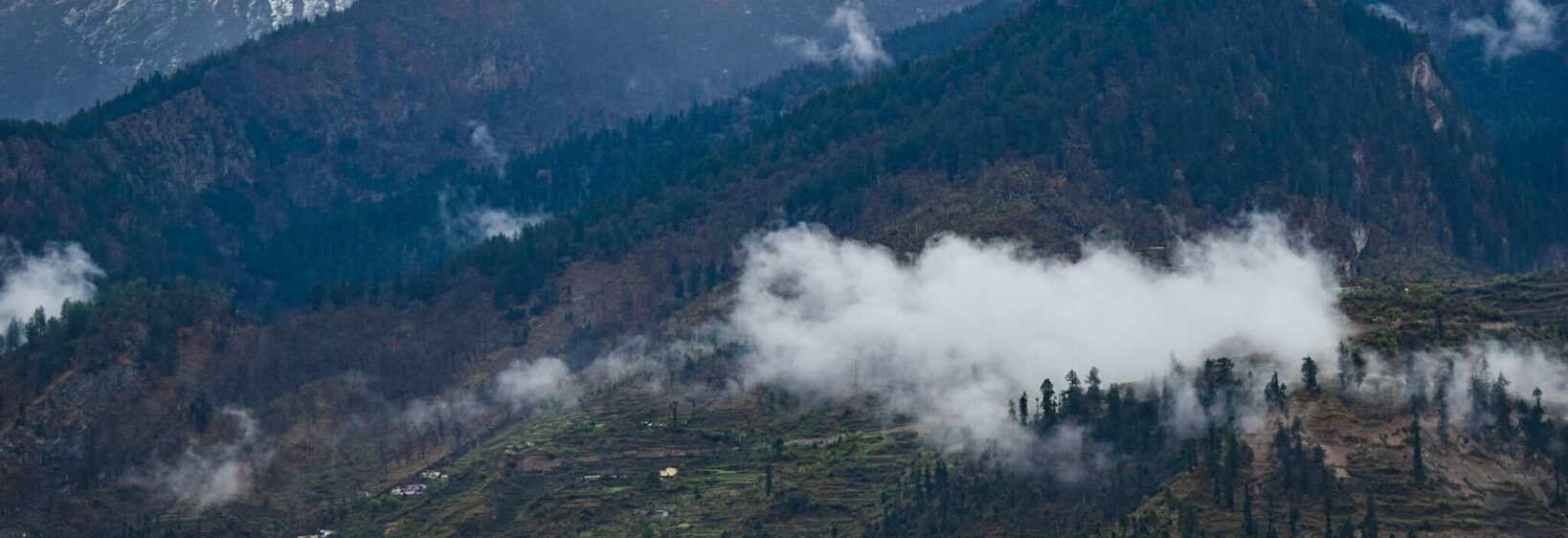
Haunted Whispers Around Abbott Mount Village
High in the Kumaon hills of Uttarakhand, Abbott Mount feels quieter than many popular Himalayan retreats. Deodar forests, misty slopes, old cottages, and distant mountain views create an atmosphere that easily invites legends. The village is associated with a small hill station near Lohaghat, where history and imagination have grown closely together.
The haunted stories of the Abbott Mount village are best understood as local folklore rather than proven supernatural events. Travellers, caretakers, and residents have passed down accounts of strange sounds, empty corridors, sudden coldness, and an unsettling presence around abandoned or rarely used buildings.
That uncertainty is part of the appeal. Visitors arrive for peaceful walks and mountain photography, yet the silence can make ordinary details—a creaking door, a bird calling after dusk, or fog moving through the trees—feel mysterious.
A Hill Station Shaped By Silence
Abbott Mount was developed during the colonial period and still carries traces of its earlier character. Stone structures, sloping roofs, forest paths, and scattered lodges give the settlement a timeless appearance. In changing weather, these features can seem distant from the modern world.
The landscape is especially atmospheric in the early morning and after sunset. Clouds settle between the trees, wind moves through the deodars, and visibility can fall within minutes. Such conditions have helped transform memories of the village into ghost stories shared around fireplaces and during evening conversations.
The Old House And The Unseen Visitor
One popular legend speaks of an old residence where guests and workers supposedly heard footsteps when no one was present. Some versions describe doors opening by themselves, while others mention furniture shifting or faint movement behind windows. The details change from one storyteller to another, suggesting that the tale has evolved over time.
There is no reliable evidence confirming these incidents. Old timber, loose roof tiles, animals in the walls, and temperature changes can explain many sounds in a mountain home. Still, the story remains memorable because the buildings around Abbott Mount provide a convincing setting for a classic Himalayan ghost tale.
Voices In The Forest
Another recurring account involves whispering or distant calls heard along forest trails after dusk. Walkers may feel that someone is following them, even when the path appears empty. In a dense woodland, sound travels unpredictably, and wind can carry voices from houses, roads, or valleys below.
Mist adds to the confusion by concealing landmarks and altering familiar shapes. A tree trunk may resemble a person, while a moving branch can look like a figure watching from a distance. These natural effects do not diminish the experience; they show how the mountain environment inspires the supernatural folklore of Abbott Mount.
| Story element | Possible natural explanation | Why it endures |
|---|---|---|
| Footsteps in empty buildings | Expanding timber, animals, or loose boards | Historic homes feel mysterious |
| Whispering in the forest | Wind and distant voices | Sound travels strangely among trees |
| Sudden cold spots | Mountain drafts and damp air | Darkness heightens physical sensations |
| Figures in the mist | Trees, shadows, and reduced visibility | Fog changes familiar landscapes |
| Lights near old properties | Torches, vehicles, or distant homes | Isolated lights seem unusual at night |
Why Visitors Feel Uneasy
The emotional effect of Abbott Mount comes from several elements working together. The settlement is relatively quiet, mobile signals may be inconsistent, and many paths become difficult to recognise in low light. Without the usual sounds of traffic and crowded markets, small noises become unusually noticeable.
People also bring expectations with them. After hearing a haunting, a visitor may pay closer attention to every sound and interpret an ordinary event through the lens of the legend. This does not mean the experience is imaginary; it shows how place, memory, and anticipation shape travel stories.
Safe Ways To Explore The Legends
Daylight is the best time to walk around the village, inspect historic architecture, and photograph the surrounding forests. Travellers interested in eerie landscapes should carry a torch, wear proper shoes, and avoid entering locked or decaying buildings. Local directions are valuable because some paths are steep, private, or poorly marked.
- Stay in recognised accommodation and inform someone about your walking route.
- Avoid isolated forest trails after dark, especially during fog or rain.
- Respect private homes, old properties, shrines, and village customs.
- Carry warm clothing, water, a charged phone, and a basic first-aid kit.
- Treat supernatural accounts as folklore rather than proof of danger.
Photography enthusiasts can also extend a Kumaon itinerary with sunset photography viewpoints, where changing light reveals a gentler side of the region. Comparing golden-hour scenery with Abbott Mount’s misty woodland atmosphere makes the journey more varied.
Folklore Beside Everyday Village Life
The ghost stories are only one part of Abbott Mount’s identity. The area also reflects Kumaoni traditions, mountain hospitality, local food, and a slower rural rhythm. Conversations with residents may reveal practical explanations for old tales, along with memories that are more valuable than the dramatic versions repeated to visitors.
Travellers should approach the legends respectfully. Asking permission before photographing people or homes, avoiding sensational claims, and supporting local stays help preserve the character of the village. The most rewarding visit combines curiosity about folklore with appreciation for the landscape and its communities.
A journey to Abbott Mount is best planned with time for quiet walks, heritage views, and conversations with local hosts. Visit in daylight, listen carefully to the stories, and let the forests, mist, and old houses provide the atmosphere without disturbing the village that inspired them.