Photographing Bageshwar’s Living Wool Weaving Tradition
Bageshwar, where the Gomti and Saryu rivers meet, offers more than Himalayan views and temple architecture. Its villages and market lanes preserve a practical textile tradition in which locally sourced wool becomes warm, durable clothing, blankets, socks, shawls, and household fabrics.
A visit to a wool-weaving workshop can reveal an intimate side of Kumaoni life. The rhythmic movement of a handloom, the texture of spun yarn, and the concentration of an artisan create photographs filled with character. These scenes deserve careful observation rather than hurried snapshots.
A strong visual story can connect craft, landscape, and daily life. By photographing the people, tools, materials, and finished products with respect, you can create a meaningful record of Bageshwar’s textile heritage for a travel photo journal such as UK Photos Gallery.
Finding Wool-Weaving Scenes In Bageshwar
Begin by asking locally about craft groups, household looms, village cooperatives, and weekly markets. Some weaving takes place inside family homes, while other artisans work in small community spaces. A guide, homestay host, or shopkeeper may help arrange a visit without interrupting the weaver’s routine.
Bageshwar’s surrounding settlements may offer different visual opportunities from the town itself. Rural workshops can show the entire process, from raw fleece and carding to spinning and weaving. In market areas, finished woollen goods provide colourful details and a chance to photograph the connection between production and local trade.
Plan enough time to stay in one place. A few quiet minutes allow the artisan to become comfortable and help you understand the sequence of work before pressing the shutter.
Understanding The Craft Before Shooting
Wool weaving often involves several stages: cleaning, combing, spinning, winding, setting the warp, and passing the shuttle through the threads. Each stage has its own shapes, gestures, and textures. Photographing this sequence creates a stronger narrative than taking only a portrait beside a completed shawl.
Look closely at the tools. Wooden spindles, bobbins, shuttles, reeds, yarn bundles, and worn loom frames can communicate the skill behind every finished article. Close-up images of hands guiding thread or feet operating a treadle often express the physical rhythm of the craft.
Ask the artisan to explain the material and method when possible. Understanding whether the wool is natural, dyed, hand-spun, or commercially blended will help you caption images accurately and avoid presenting assumptions as facts.
Light, Composition, And Camera Choices
Window light is often ideal for indoor weaving photographs. Place yourself where the light falls across the yarn and hands, creating gentle contrast without hiding important details. If the room is dim, raise the ISO carefully rather than using a harsh flash that may disturb the atmosphere.
Use a mixture of wide, medium, and close compositions. A wide frame can show the loom within a traditional room, while a medium image may focus on the artisan’s posture. Macro-style details can highlight fibres, patterned fabric, wooden surfaces, and the movement of the shuttle.
| Photographing Element | Useful Approach | Visual Result |
|---|---|---|
| Loom and workspace | Use a wide lens near a doorway or window | Establishes place and context |
| Hands at work | Choose a moderate shutter speed | Captures gestures and concentration |
| Wool fibres | Use close focus and side light | Reveals softness and texture |
| Finished textiles | Keep colours accurate and backgrounds simple | Shows pattern and craftsmanship |
| Artisan portrait | Ask permission and offer a calm pose | Preserves dignity and personality |
A 35mm or 50mm lens is versatile for documentary travel photography. Keep the shutter speed high enough to freeze hand movement, but consider a slower exposure for a carefully composed image that conveys the repeated motion of weaving.
Photographing People With Respect
Always request permission before making close portraits, especially inside a private home or workshop. A simple explanation of your project can build trust. If language is a barrier, ask your local guide to translate and follow the artisan’s body language.
Do not treat the weaver as a background prop. Include the person’s face when appropriate, but also show their expertise through posture, hands, tools, and concentration. Avoid rearranging materials or asking someone to repeat a task solely for a photograph unless they are comfortable doing so.
If you plan to publish the images commercially or use them to promote a service, explain that clearly. Offer to share selected photographs with the artisan, family, or cooperative. This small gesture can make the exchange more balanced and respectful.
Building A Complete Visual Story
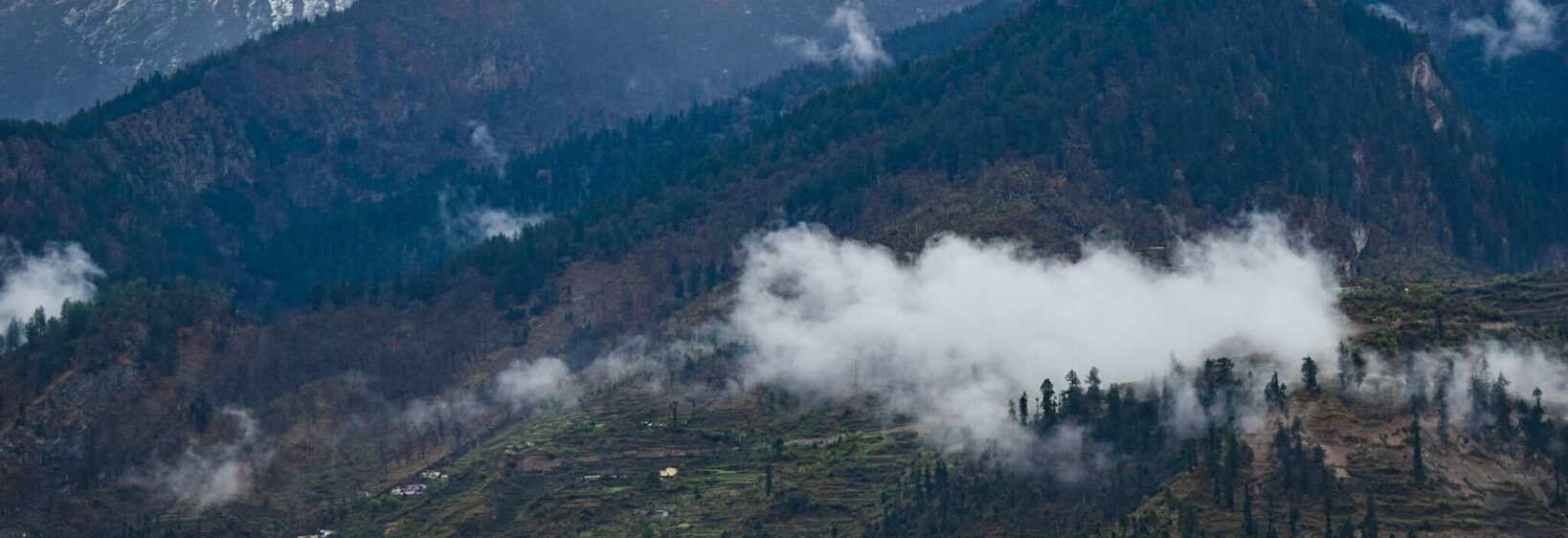
A thoughtful photo essay can begin with Bageshwar’s mountain setting and narrow into the workshop. Follow with images of raw wool, spinning, loom preparation, weaving, and the finished textile. This progression gives viewers a sense of time and labour.
Include environmental details between portraits: a sunlit courtyard, yarn drying near a wall, a market stall, or a woollen cap worn during a cool morning. These connecting frames prevent the gallery from feeling like a collection of isolated close-ups.
Use captions to identify the location, process, and people when they have agreed to be named. Avoid vague descriptions such as “traditional work” if you can record more precise information about the material, technique, or use of the item.
Practical Preparation For A Craft Visit
Carry spare batteries, memory cards, a lens cloth, and a lightweight camera bag. Wool fibres and workshop dust can settle on equipment, so change lenses as little as possible indoors. A small reflector may help in a dark room, but natural light is usually less intrusive.
- Wear quiet, practical clothing suitable for village lanes and workshop floors.
- Carry cash if you wish to purchase a handmade woollen item directly from the artisan.
- Learn a few polite Kumaoni or Hindi phrases before visiting.
- Keep a notebook for names, weaving terms, materials, and permission details.
- Back up photographs each evening while travelling through the region.
Photographing local wool weaving in Bageshwar is an opportunity to document a living skill rather than a staged attraction. Approach each workshop with patience, protect the dignity of the people you meet, and let the textures and gestures guide your composition.
Take your time in the villages, speak with artisans, and create a photo story that gives this Himalayan craft the attention it deserves. Share the finished gallery with the community whenever possible, so your images become part of a respectful exchange rather than a one-way record.