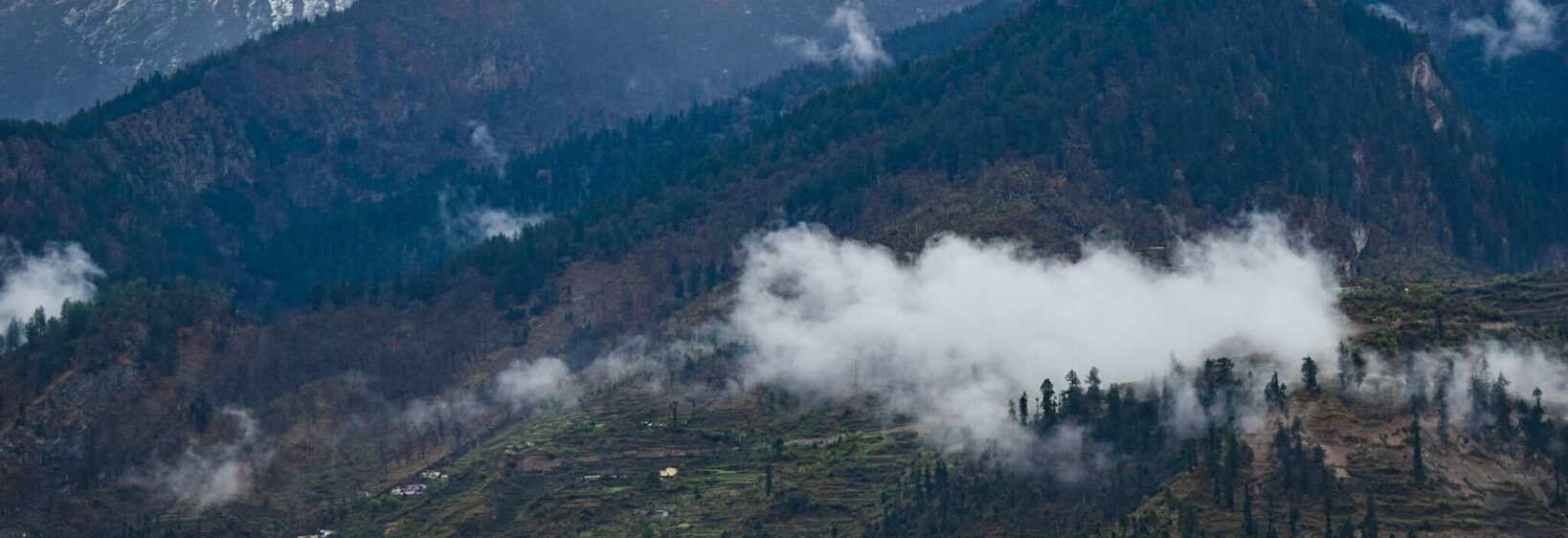
The Lachhmandhar Waterfall: A Hidden Spot Near Dehradun
Away from Dehradun’s busier parks and well-known picnic locations, the Lachhmandhar Waterfall offers a quieter meeting point with Uttarakhand’s foothill landscape. Surrounded by forest, rocky streambeds, and seasonal greenery, it is best viewed as a small nature escape rather than a developed tourist attraction.
The waterfall is especially appealing to visitors who enjoy short walks, landscape photography, and peaceful time outdoors. Its character changes with the weather: the monsoon can bring a lively cascade, while the post-monsoon months often provide clearer paths and pleasant views.
Because this is a lesser-known destination, route information may vary between map listings and local usage. Checking the final approach with residents, a trusted driver, or a local guide is an important part of the visit. The Uttarakhand travel blog also offers wider context for planning journeys around the state.
Why This Waterfall Is Worth Visiting
Lachhmandhar’s attraction lies in its natural setting rather than in large facilities or commercial activity. The sound of falling water, shaded slopes, and exposed stones create a slower atmosphere that contrasts with Dehradun’s traffic and crowded recreation areas.
It can suit several kinds of outings. Photographers may find reflections, moss-covered rocks, and changing light beneath the trees, while families and small groups can enjoy a short nature break if everyone is comfortable with uneven ground. Visitors should remember that the site may not have toilets, food stalls, changing rooms, or reliable mobile coverage.
Best Season And Time Of Day
The monsoon usually gives the stream its greatest volume, but heavy rain can also make the approach slippery and unsafe. Water levels may rise quickly, loose stones can shift, and narrow paths may become difficult to follow. Avoid entering the pool beneath the fall during strong flow.
The period after the rains is often a practical compromise. The surrounding vegetation remains green, the waterfall may still be active, and walking conditions can improve. Early morning is useful for softer light, cooler temperatures, and a more solitary experience. Starting early also leaves enough time to return before dusk.
Route Planning From Dehradun
Treat the journey as a flexible foothill excursion rather than a precisely signposted attraction. Begin with a reliable map pin, then confirm the last motorable section locally. Depending on the approach, the final stretch may involve a village road, a narrow trail, or a walk over stones and muddy ground.
A private vehicle or hired taxi is generally more convenient than relying on public transport for the entire trip. Drivers should be told that the destination is a small waterfall near Dehradun, and not simply a similarly named stream or picnic point. Downloading offline maps, carrying a charged phone, and sharing the planned route with someone at home are sensible precautions.
| Planning Detail | Practical Guidance |
|---|---|
| Starting point | Dehradun city or nearby foothill settlements |
| Transport | Hired taxi, private car, or local guide |
| Walking conditions | Uneven rocks, mud, and possible stream crossings |
| Best visual season | Post-monsoon, with flow depending on rainfall |
| Time required | Allow extra time for route-finding and the return journey |
| Facilities | Expect limited or no formal visitor amenities |
What To Carry For The Walk
Wear shoes with firm grip instead of sandals or smooth-soled trainers. A lightweight rain jacket is useful even outside the wet season, since mountain weather can change quickly. Carry drinking water, basic snacks, a small first-aid kit, sunscreen, and a waterproof pouch for phones and cameras.
A walking stick can help on damp slopes, while a spare pair of socks is valuable after a wet approach. Keep luggage light, because a short trail can feel demanding when the route includes steep or slippery sections. Do not depend on nearby shops for supplies.
Responsible Ways To Enjoy The Site
A hidden waterfall remains attractive only when visitors avoid treating it like a disposable picnic ground. Carry every wrapper, bottle, and food container back to a proper disposal point. Do not use soap or shampoo in the stream, and avoid loud music that disturbs birds, residents, and other walkers.
Respect private fields, village paths, and local customs. Ask before photographing people or entering land that appears occupied or cultivated. The area is part of a living rural landscape, so a courteous visit matters as much as the photographs taken there.
Nearby Experiences Around Dehradun
The waterfall can be combined with other low-key experiences in the Doon Valley and nearby Himalayan foothills. Depending on the route, visitors may add a village walk, a forest viewpoint, a temple visit, or a relaxed meal in Dehradun. A full-day plan should remain unhurried rather than packing in too many distant stops.
Travellers interested in Uttarakhand’s food and drink culture can also explore the region’s changing local scene. The Kumaon craft beer guide offers a useful contrast to a waterfall outing, with mountain views and a look at contemporary regional hospitality.
Smart Planning For A Safer Visit
- Confirm the exact access point and current road conditions before leaving Dehradun.
- Visit in daylight and avoid the waterfall during intense rain or storm warnings.
- Wear grippy footwear and carry water, snacks, first aid, and weather protection.
- Keep away from deep pools, unstable rocks, and fast-moving water.
- Leave no waste and follow local advice about paths, parking, and photography.
Lachhmandhar Waterfall is best approached with patience, modest expectations, and respect for its undeveloped character. Add it to a carefully planned Dehradun itinerary, travel lightly, and preserve the quiet setting that makes this small Uttarakhand escape memorable.