A Guide To Chakrata’s Tiger Falls And Nearby Villages
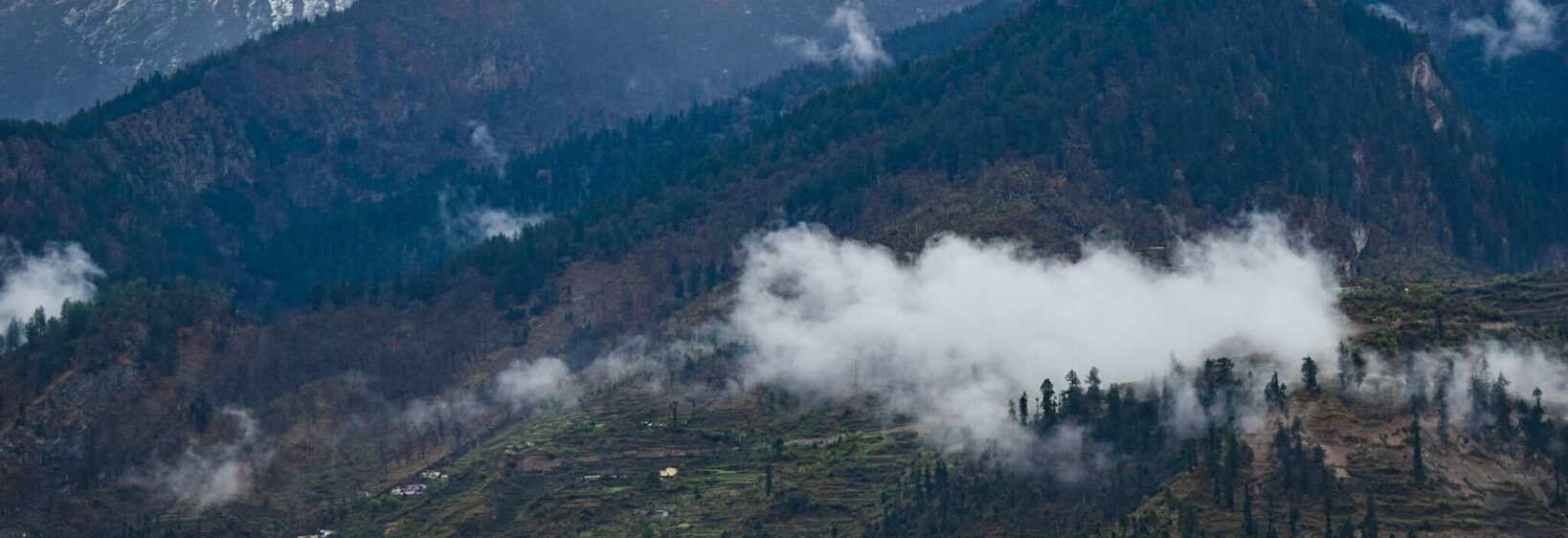
Tucked into the forested hills of Dehradun district, Tiger Falls is one of Uttarakhand’s most rewarding waterfall escapes. The cascade drops through a rocky mountain setting near Chakrata, where pine forests, quiet roads, and Jaunsari villages create a slower alternative to busier hill stations.
The journey is as appealing as the destination. Visitors can combine a short forest walk with village views, regional food, and a stay in Chakrata or the surrounding countryside. The falls are especially attractive during the monsoon and post-monsoon months, although rain can make the trail slippery.
For wider ideas about Himalayan journeys, temples, and local attractions, explore the UK travel gallery before planning a route through western Uttarakhand.
Reaching The Waterfall From Chakrata
Tiger Falls lies roughly 20 kilometres from Chakrata, depending on the route and starting point. A private car, hired taxi, or local cab is the most practical option because public transport to the exact trailhead is limited. The road passes through wooded slopes and scattered settlements before reaching the parking area.
From the road, the final approach involves a downhill walk of about one kilometre. The path can include uneven stones, exposed roots, and muddy sections, so sturdy shoes are more useful than casual sandals. Allow extra time for the return climb, particularly if travelling with children or older family members.
What Makes Tiger Falls Special
The waterfall is often described as one of the highest direct waterfalls in Uttarakhand, with a total drop commonly estimated at around 300 feet. Its stream plunges into a clear pool and continues through a narrow, green valley. The sound of falling water becomes stronger as the path descends through the forest.
The surroundings are more natural than commercial. Small food stalls may appear near the access point in the busy season, but visitors should not expect extensive facilities. The best experience comes from arriving early, listening to the forest, and allowing time for photographs rather than treating the falls as a quick roadside stop.
The Best Season And Trail Conditions
The monsoon brings the fullest flow and intense greenery, usually from July to September, but heavy rain may cause slippery paths, road delays, or temporary access restrictions. April to June offers pleasant daytime weather and a more manageable trail. October and November are also good for clear mountain views and comfortable walking.
Winters can be cold, especially in the morning and late afternoon. Before leaving Chakrata, check local conditions, ask about road repairs, and carry drinking water. Avoid standing directly beneath unstable rocks, and be cautious around the plunge pool because rocks may be slick even when the water appears calm.
| Travel Detail | Practical Guidance |
|---|---|
| Starting point | Chakrata or nearby hill settlements |
| Approximate road distance | About 20 km from Chakrata |
| Final walk | Roughly 1 km downhill and uphill |
| Ideal months | April to June and October to November |
| Monsoon appeal | Strong water flow and vivid forest greenery |
| Useful essentials | Walking shoes, water, light rainwear, snacks, cash |
Villages And Local Culture Nearby
The area around Chakrata is associated with Jaunsari culture, known for distinctive wooden homes, traditional clothing, seasonal festivals, and community customs. Villages along the approach may look modest, but they offer an authentic view of mountain life shaped by farming, livestock, forest resources, and changing tourism.
Koti Kanasar is a popular nearby stop for travellers interested in old deodar forests and quiet picnic surroundings. Sahiya, on the broader route toward Chakrata, functions as a local market area where visitors may find basic supplies and regional snacks. Lakhamandal, known for its ancient temple complex and links with the Mahabharata tradition, can be considered as a separate excursion if time permits.
Respect is important when photographing homes, people, or religious spaces. Ask before taking portraits, avoid blocking village lanes, and remember that a rural settlement is a living community rather than a backdrop. Buying tea, snacks, or locally made products from small vendors can support households directly.
Places To Stay And Things To Carry
Chakrata has hotels, guesthouses, homestays, and forest-side accommodation, while smaller villages may offer limited homestay options. Booking ahead is sensible during weekends, school holidays, and the summer season. Accommodation standards vary, so confirm parking, hot water, electricity, and meal arrangements before arrival.
A day trip is possible, but an overnight stay makes the visit less rushed. Carry a small backpack with water, basic medication, sun protection, a power bank, and a waterproof cover for cameras or phones. Mobile reception may be inconsistent, and card payments are not guaranteed outside the main town.
Useful travel habits include:
- Start early to enjoy cooler weather and quieter trails.
- Wear shoes with firm grip and carry a lightweight rain jacket.
- Keep snacks and waste packed until a suitable disposal point.
- Use local taxis and guides when road or trail conditions are unclear.
- Carry some cash for parking, refreshments, and village purchases.
Add A Pilgrimage Or Hill Circuit
Tiger Falls works well as part of a wider Chakrata itinerary. Travellers can pair it with Koti Kanasar, Deoban viewpoints, Budher Caves, or a relaxed walk through the cantonment town. Those extending their journey toward the Yamuna valley may also find this Yamunotri temple guide useful for understanding pilgrimage planning and mountain travel etiquette.
A local driver can help combine attractions efficiently because distances that appear short on a map may take longer on winding Himalayan roads. Avoid packing too many stops into one day; the appeal of Chakrata lies in its forests, villages, and unhurried landscapes.
Leave The Valley Better
Tiger Falls deserves protection from careless tourism. Do not leave plastic near the trail or throw food into the water, and avoid loud music that disturbs residents and wildlife. Visitors should also stay on established paths wherever possible, particularly during wet weather when hillside vegetation is vulnerable.
Plan a respectful visit, spend time with the landscape, and include nearby villages rather than rushing straight to the waterfall. With sensible preparation and a light environmental footprint, your Chakrata journey can support local communities while preserving one of Uttarakhand’s most peaceful natural attractions.