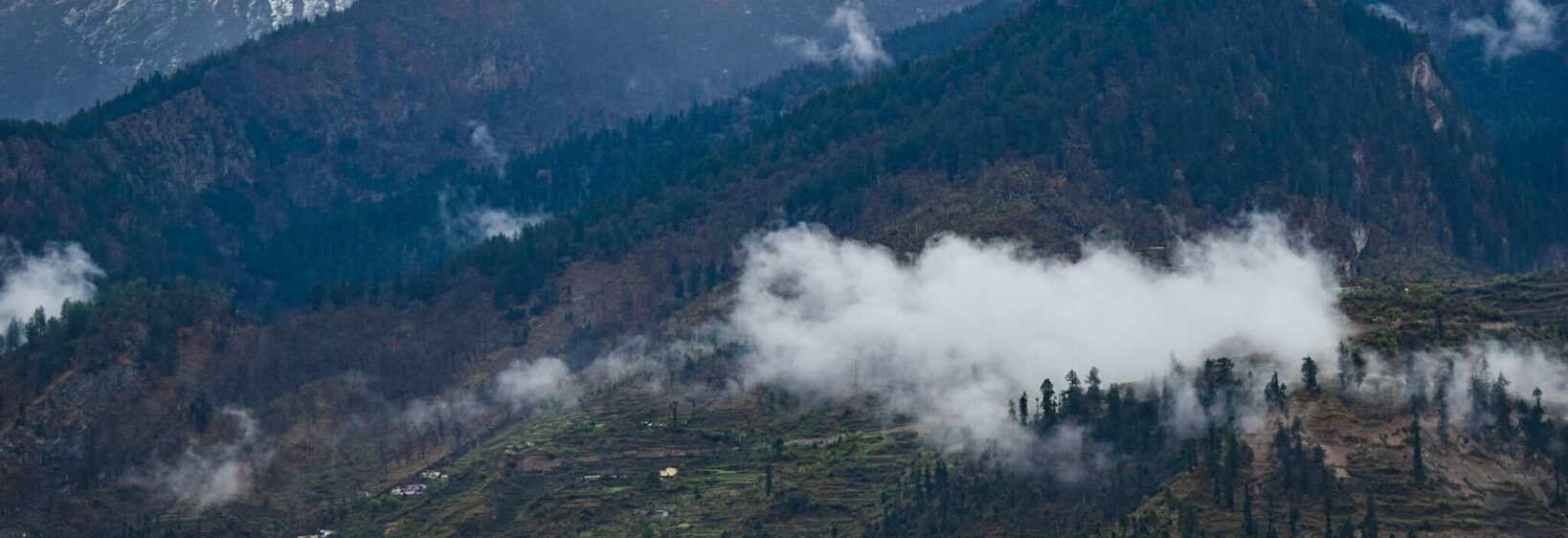
Sunrise at Cheena Peak in Nainital: A Photographer’s Plan
Cheena Peak, also known as China Peak or Naina Peak, rises above Nainital at approximately 2,615 metres. It is the highest point around the lake town and offers a broad Himalayan viewpoint, pine-covered slopes, and an elevated perspective over Naini Lake. For photographers, the appeal lies in the changing light before the town fully wakes.
A successful sunrise shoot requires more than reaching the viewpoint before dawn. You need to select a practical route, estimate walking time, protect your equipment from cold and moisture, and leave enough flexibility for clouds. The following plan combines scenic trekking advice with a simple photography workflow for capturing Nainital’s morning landscape.
Choosing The Best Route
Most visitors begin from Mallital and follow the forest trail towards Naina Peak. The route passes through quiet woodland and gradually gains altitude, making it important to allow extra time in darkness. Depending on your pace and starting point, reaching the summit can take around two to three hours.
Hiring a local guide is sensible for a pre-dawn walk, particularly during fog, winter, or the quieter travel months. Carry a headlamp rather than relying only on a phone torch, and stay on the marked path. The forest may feel calm and empty before sunrise, but visibility is limited and the terrain can become slippery.
Timing The Sunrise Shoot
Check the sunrise time for your travel date and aim to arrive at least 30 minutes earlier. This gives you time to find a stable viewpoint, unpack your camera, and photograph the gradual blue-hour transition. Reaching the ridge just as the sun appears often means missing the softest colours before dawn.
The eastern horizon may brighten behind layers of distant Himalayan ridges, while Nainital’s rooftops and lake remain in shadow. Use the first few minutes for wide compositions, then move to details such as pine branches, mist, rooftops, and illuminated ridgelines. Weather changes quickly, so a cloudy morning can still produce dramatic photographs.
Building A Practical Camera Kit
A wide-angle lens is useful for including the lake, forest, and mountain horizon in one frame. A standard zoom provides greater flexibility for layered ridges and compressed views of Nainital. A lightweight tripod helps with low-light exposures, especially before there is enough daylight for a faster shutter speed.
Keep spare batteries inside an insulated pocket because cold temperatures can reduce battery performance. A lens cloth, rain cover, memory cards, and a small microfiber towel are equally valuable. If you plan to photograph in RAW, confirm your storage capacity before leaving and avoid changing lenses in dusty or damp conditions.
| Photography Need | Useful Choice | Reason |
|---|---|---|
| Wide landscape | 16–35mm or similar | Captures the lake, forest, and horizon |
| Distant mountain layers | 70–200mm or telephoto zoom | Compresses ridges and isolates details |
| Low-light stability | Compact tripod | Supports longer exposures |
| Changing weather | Camera rain cover | Protects equipment from mist and drizzle |
| Pre-dawn navigation | Headlamp with spare batteries | Keeps both hands free on the trail |
Composing Nainital’s Morning Landscape
Look for foreground elements that give the frame depth. Pine trunks, branches, trail edges, or a nearby rock can lead the eye towards the distant peaks. Including a person at a safe viewpoint can also show scale, but avoid placing anyone close to an exposed edge for the sake of a photograph.
Bracket exposures when the sky is bright and the valley remains dark. A graduated neutral-density filter can balance the scene, while careful exposure compensation helps retain colour in the sunrise. Review the histogram instead of judging brightness only on the rear screen, which can appear misleading in the dim morning.
Planning Around Weather And Seasons
Clear winter mornings often provide crisp visibility, though frost and cold winds demand warmer clothing and better battery care. In spring, fresh foliage and pleasant walking conditions add colour to the forest. The monsoon brings lush greenery but also slippery trails, heavy cloud, and limited mountain views.
Autumn is frequently rewarding for Himalayan photography because the air can be clearer after the rains. Before setting out, check the local forecast and ask accommodation staff or a guide about trail conditions. The wider travel notes and destination photography on UK Photos Gallery can also help you place this excursion within a broader Uttarakhand itinerary.
Field Checklist For A Smooth Start
Keep the pre-dawn routine simple so that you spend your attention on the landscape rather than searching through a backpack. Pack food and water the night before, charge every device, and set out clothing that can be adjusted as the temperature rises after sunrise.
- Headlamp, spare batteries, and a fully charged phone
- Camera body, wide and telephoto options, and spare batteries
- Tripod, lens cloth, rain cover, and extra memory card
- Warm layers, gloves, sturdy shoes, water, and a light snack
- Offline map, emergency contacts, and a small first-aid kit
Respect the forest by carrying back all packaging and avoiding loud music or bright flashes near wildlife. Do not enter restricted areas, climb unstable rocks, or block the trail while composing a shot. A quiet and careful approach protects both the landscape and the quality of the experience.
Arrive early, work patiently through the changing light, and give the forest enough time to reveal its details. With sensible preparation and a flexible eye, a sunrise walk to Cheena Peak can become one of the most memorable photography experiences in Nainital.