Kaladhungi park: Corbett’s gateway and village life
Kaladhungi sits at the meeting point of the Kumaon hills and the Terai plains in Uttarakhand. The town is often treated as a stop on the way to Jim Corbett National Park, yet it deserves time of its own. Its forest edges, old settlements, agricultural fields, and quiet roads reveal a gentler side of the Corbett region.
The area is closely connected with Edward James “Jim” Corbett, the celebrated hunter, conservationist, and author. His former winter home at Chhoti Haldwani, now the Jim Corbett Museum, adds historical depth to a visit. Alongside that heritage, daily life continues through village markets, temple visits, farming, cattle care, and family-run businesses.
For travellers planning a Kumaon holiday, the Uttarakhand travel guide offers useful inspiration for combining Kaladhungi with Nainital, Ramnagar, Ranikhet, and other Himalayan destinations.
A natural gateway to Corbett country
Kaladhungi is positioned between Nainital and the wildlife belt around Ramnagar, making it a convenient approach to Corbett’s forests. The landscape changes quickly as visitors move from busy roadside settlements into sal woodland, open grassland, and foothill streams.
It is important to remember that Kaladhungi itself is not the main safari zone of the national park. Jeep safaris generally operate from designated gates such as Dhangari, Bijrani, Jhirna, and Durgadevi. Kaladhungi works better as a cultural and scenic gateway before or after a safari.
The legacy of Jim Corbett
Chhoti Haldwani is one of the most meaningful places to visit near the town. Jim Corbett established the settlement for local residents and spent part of his life in the region. The museum preserves personal belongings, photographs, writings, and details about his relationship with the surrounding villages and forests.
A visit here provides context for Corbett’s conservation work. His stories are often associated with man-eating tigers and leopards, but the broader lesson is his knowledge of rural communities, wildlife behaviour, and forest ecology. The site is especially rewarding for travellers interested in colonial history, Kumaoni culture, and Himalayan storytelling.
Forest walks, waterfalls, and open landscapes
The Kaladhungi landscape is suited to slow exploration. Short drives and walks can lead towards forest viewpoints, seasonal streams, and rural paths bordered by trees. Corbett Waterfall, reached through a forested route, is a popular nearby attraction, although water levels and access conditions vary with the season.
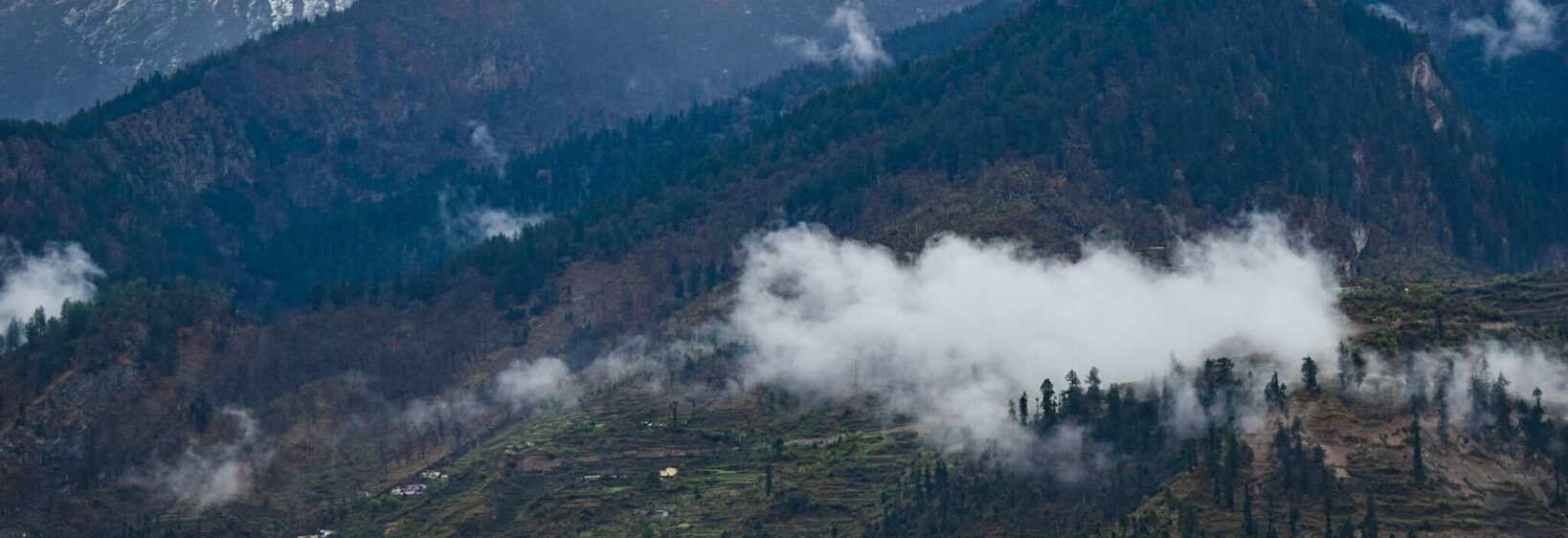
Birdwatchers may notice drongos, barbets, mynas, woodpeckers, and other species around fields and woodland margins. Early mornings are the best time for photography, when mist rises above the foothills and village activity begins. Visitors should avoid loud music and keep a respectful distance from wildlife.
| Experience | What it offers | Best suited to |
|---|---|---|
| Jim Corbett Museum | Local history and Corbett’s connection with Chhoti Haldwani | Heritage travellers |
| Forest-edge drive | Sal trees, birds, and foothill scenery | Photographers and nature lovers |
| Corbett Waterfall visit | A popular forest attraction and picnic setting | Families and day visitors |
| Village walk | Fields, homes, shrines, and everyday Kumaoni life | Cultural explorers |
| Corbett safari from a designated gate | Greater chances of spotting wild animals | Wildlife enthusiasts |
Village life beyond the tourist route
Kaladhungi’s character is easiest to understand away from its main traffic corridors. Small farms, roadside tea stalls, local shops, and traditional homes form an everyday landscape that is less staged than a formal tourist attraction. Depending on the season, fields may show wheat, rice, vegetables, or fodder crops.
Local residents maintain customs connected with temples, seasonal festivals, music, and community gatherings. Kumaoni and Hindi are widely heard, and a friendly greeting or a little patience can make conversations more natural. Travellers should ask before photographing people, homes, religious ceremonies, or working animals.
Planning a responsible visit
Kaladhungi can be visited throughout the year, but each season creates a different experience. Winter brings clear skies and comfortable daytime temperatures, while spring offers fresh foliage and pleasant walking conditions. Monsoon months make the countryside vivid, though rain can affect roads, waterfalls, and forest access. Summer is warmer in the plains but remains suitable for early morning outings.
Accommodation ranges from simple guesthouses and homestays to resorts in the wider Corbett area. Visitors should reserve safari permits separately and check gate rules before travelling. Carry reusable water bottles, modest clothing for village and temple visits, sturdy shoes, sun protection, and a camera with spare batteries.
Ways to experience the area well
A thoughtful itinerary gives equal importance to wildlife, heritage, and local communities. These practical choices help preserve the atmosphere that makes Kaladhungi distinctive:
- Begin outdoor activities early, especially during warmer months.
- Pair the Jim Corbett Museum with a village walk rather than rushing between attractions.
- Use local guides for forest routes, birdwatching, and cultural interpretation.
- Keep plastic waste out of streams, roadsides, and forest areas.
- Choose locally owned cafés, homestays, and shops where possible.
The most memorable visits are often built around small observations: a farmer preparing a field, a bird calling from a sal tree, or an old story shared near a village shrine. Such moments complement the excitement of a Corbett safari and show why this foothill settlement is more than a transit point.
Plan a respectful Kaladhungi journey, combine it with nearby Corbett attractions, and record the landscapes and village moments that make Uttarakhand unforgettable.