Exploring Baijnath Temple Complex in Bageshwar
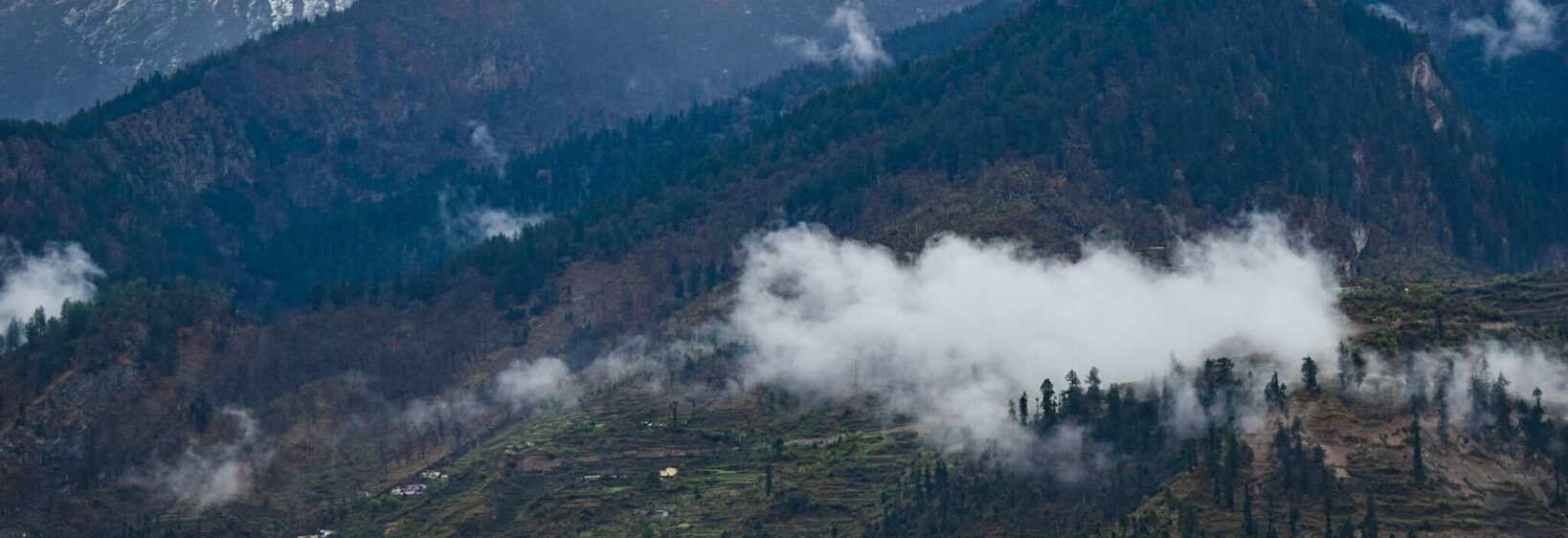
Set beside the Gomti River in Uttarakhand’s Kumaon region, Baijnath is a peaceful temple settlement surrounded by forested hills and agricultural fields. Its stone shrines, quiet riverbank, and long religious history make it an absorbing stop for travellers exploring Bageshwar district.
The complex is dedicated mainly to Lord Shiva in the form of Vaidyanath, the divine healer. Unlike crowded pilgrimage centres, Baijnath often offers a slower experience, allowing visitors to notice its carvings, local rituals, and Himalayan setting.
A Heritage Site In The Katyuri Heartland
The present temples are generally associated with the Katyuri period, between the 10th and 13th centuries, when the dynasty ruled much of Kumaon. Their architecture reflects the regional Nagara style, with compact stone sanctums, curving towers, and finely worked surfaces.
Baijnath has been protected as an important heritage site, yet it still functions as a living place of worship. Devotees arrive throughout the year, while Shivratri brings a larger gathering and a more vibrant atmosphere around the shrines.
Stone Architecture And Sacred Details
The main Vaidyanath Temple draws attention through its carefully fitted stonework and tall shikhara. Sculpted figures, floral patterns, and ornamental bands appear across the walls, revealing the skill of medieval craftsmen working with local materials.
Several smaller temples stand within the complex, creating a close-knit group rather than a single isolated monument. A calm water feature near the shrines adds to the setting, and the combination of temple stone, river light, and mountain air makes Baijnath especially rewarding for photography.
| Feature | What Visitors Can Expect |
|---|---|
| Main shrine | Vaidyanath, a form of Lord Shiva |
| Architectural style | Regional Nagara temple design |
| Historical association | The Katyuri period of Kumaon |
| Setting | Gomti River valley near Garur |
| Best experience | Early morning or late afternoon |
| Nearby base | Bageshwar, Kausani, or Garur |
Legends, Worship, And Local Belief
Local tradition connects Baijnath with ancient stories of Shiva and Parvati, although historical evidence belongs mainly to the medieval temple period. Such legends remain an important part of how residents and pilgrims understand the sacred landscape.
Visitors familiar with Uttarakhand’s pilgrimage routes may find a similar devotional atmosphere in the region’s other shrines, including this Yamunotri temple guide. At Baijnath, worship is usually intimate: people offer flowers, light lamps, and circle the sanctum while priests conduct daily rituals.
Planning A Visit To Baijnath
Baijnath is around 17 kilometres from Bageshwar and can be reached by road from Almora, Kausani, Ranikhet, or nearby Garur. Buses and shared vehicles connect the larger towns, while a private taxi provides greater flexibility for combining the temple with other Kumaon attractions.
The temple is accessible during most daylight hours, but early morning is often the most comfortable time to explore. Summer days can be warm, monsoon roads may be affected by rain, and winter mornings can be distinctly cold. Modest clothing, respectful behaviour, and removing footwear before entering designated areas are appropriate.
Places To Explore Nearby
Bageshwar town, located at the meeting point of the Gomti and Saryu rivers, is a natural companion stop. Its Bagnath Temple, local markets, and riverfront offer a different but related view of Kumaoni religious life.
Travellers with additional time can continue towards Kausani for wide Himalayan views or explore village roads around Garur. Those interested in underground shrines and unusual sacred landscapes may also enjoy reading about Patal Bhuvaneshwar Caves, another distinctive spiritual destination in Uttarakhand.
Practical Ways To Make The Visit Meaningful
A little preparation helps preserve the quiet character of the complex and makes the journey more comfortable.
- Arrive early for softer light, cooler weather, and fewer visitors.
- Carry cash, water, sun protection, and a light jacket.
- Ask permission before photographing worshippers, priests, or ceremonies.
- Combine Baijnath with Bageshwar, Kausani, or a nearby village walk.
- Leave plastic and food waste out of the temple grounds and river area.
Baijnath rewards visitors who slow down and look closely: at the weathered carvings, the sound of the Gomti, and the living traditions maintained around the ancient shrines. Add this historic temple complex to your Kumaon itinerary and experience one of Bageshwar’s most quietly memorable cultural landmarks.