Local Tea Stalls Along the Char Dham Route: A Photo Story
The Char Dham pilgrimage through Uttarakhand is often remembered for snow peaks, river valleys, ancient temples, and winding mountain roads. Yet some of its most intimate scenes appear beside a blue plastic kettle or a steaming steel glass. Small tea stalls offer warmth, conversation, and a brief pause between long stretches of travel.
This photo story follows those roadside moments from the lower valleys towards Yamunotri, Gangotri, Kedarnath, and Badrinath. Each stall has its own character, shaped by altitude, weather, seasonal pilgrims, and the local families who keep the fire burning.
For a wider look at Uttarakhand’s destinations, traditions, and travel photography, browse the Uttarakhand travel gallery, where mountain landscapes meet everyday life.
Morning Chai Beside Mountain Roads
Before the first buses begin climbing, tea vendors prepare ginger chai, milk tea, and black tea for drivers, porters, pilgrims, and shopkeepers. The light is usually soft at this hour, striking brass kettles, painted benches, and rows of glass tumblers.
A good photograph captures more than the drink. Steam rising against a dark kitchen wall, a woollen shawl hanging beside a stove, or a vendor counting coins can tell the story of mountain hospitality without staging the scene. Ask permission before photographing people, especially when the stall is busy.
Flavours Found Along The Pilgrimage Trail
Roadside food changes subtly from one valley to another. Along the routes near Barkot and Dharali, visitors may find hot pakoras, aloo parathas, biscuits, and instant noodles. In colder stretches, sweet tea is often paired with simple snacks that can be prepared quickly for passing vehicles.
Local produce also appears in small ways. Honey, walnuts, apples, pickles, and dried herbs may be displayed beside packaged refreshments. These details create useful visual contrasts: colourful wrappers against wooden shelves, fresh fruit beside a blackened kettle, or a traditional copper pot among modern thermos flasks.
A Visual Guide To Tea Stops
Tea stalls are practical places, but they also reveal the rhythm of the Char Dham route. The following scenes are especially rewarding for photographers travelling with time to stop and observe.
| Location or stretch | Common stall scene | Strong photographic detail |
|---|---|---|
| Barkot and Hanuman Chatti | Breakfast tea and roadside snacks | Steam, utensils, and early pilgrims |
| Harsil and Dharali | Tea beside apple orchards and the Bhagirathi valley | Wooden counters and mountain light |
| Guptkashi and Sonprayag | Busy stops serving trekking groups | Backpacks, ponies, and shared tables |
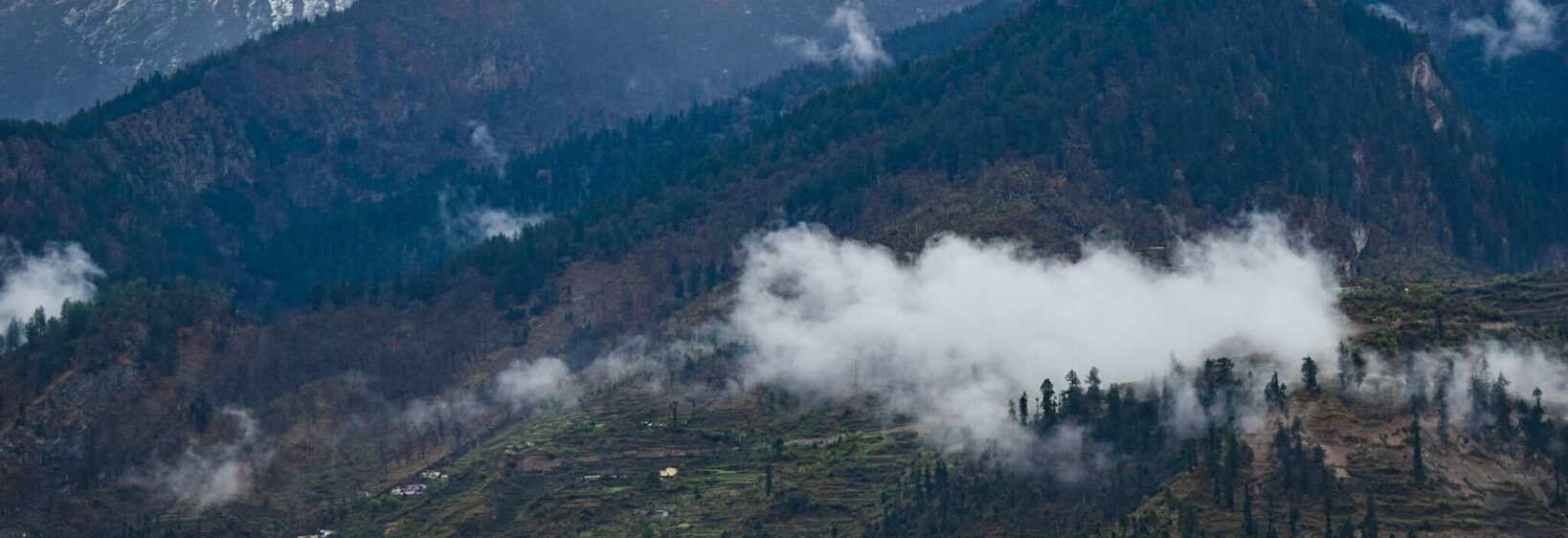
| Joshimath and Badrinath road | Warm drinks in cooler high-altitude air | Mist, woollens, and layered landscapes |
| Riverside halts | Quick tea breaks for drivers and travellers | Reflections, bridges, and moving buses |
A wide-angle frame can show the stall in its setting, while a close portrait of hands pouring tea brings intimacy to the story. Try photographing at different times of day: morning gives gentle shadows, afternoon reveals activity, and evening highlights the orange glow of a small stove.
People Behind The Kettle
Many tea stalls are family-run businesses that serve regular drivers as faithfully as visiting pilgrims. A familiar customer may receive a glass before asking, while a vendor might know which buses stop for breakfast and which travellers are heading towards a trek entrance.
These relationships are worth recording through small gestures rather than posed portraits. A hand passing a cup, a child arranging biscuits, or an older vendor warming his fingers near the burner can express the human side of pilgrimage travel. Respectful conversation may also reveal local stories about snowfall, road conditions, village festivals, or seasonal migration.
Photographing Responsibly At High Altitude
The route includes narrow roads, steep drops, busy market areas, and spiritually significant locations. Photographers should step away from traffic, keep equipment secure, and avoid blocking entrances or roadside workspaces. Weather can change quickly, so camera protection and warm layers are essential.
At temples and pilgrimage camps, follow local rules about photography. Do not photograph private rituals or people in distress without consent. Supporting a stall by buying tea or snacks is a simple way to acknowledge the time and space offered for a photograph.
Frames Worth Waiting For
The strongest images often happen after the first cup, when the scene becomes natural and unhurried. Look for changing weather, passing pilgrims, reflections in a window, or sunlight reaching a stall after a cloudy morning. A sequence of three or four photographs can show preparation, service, and departure more effectively than a single postcard view.
Travel photography along the route benefits from patience. Keep the camera ready, but allow the landscape and people to lead the story. A stall that seems ordinary at first may become memorable when framed with a distant ridge, a river crossing, or a line of pilgrims moving through the background.
Practical Tips For A Better Photo Walk
Use these simple habits to make a tea-stall photo story respectful, comfortable, and visually varied:
- Carry small cash, as many roadside stalls may not accept digital payments.
- Photograph details, portraits, and landscapes to create a balanced visual narrative.
- Ask before taking close photographs of vendors, workers, children, or pilgrims.
- Keep a reusable bottle and avoid adding plastic waste at remote stops.
- Check seasonal road and weather conditions before travelling between pilgrimage towns.
Tea breaks also pair naturally with other photography stops in the region. Travellers planning a wider itinerary can explore Tehri Lake photo spots for a different view of Uttarakhand’s water landscapes, outdoor activities, and changing mountain light.
The next time you travel towards the Char Dham shrines, leave room in the schedule for an unplanned roadside pause. Order a cup, listen to the valley, and photograph the quiet human moments that make the journey as meaningful as the destination.