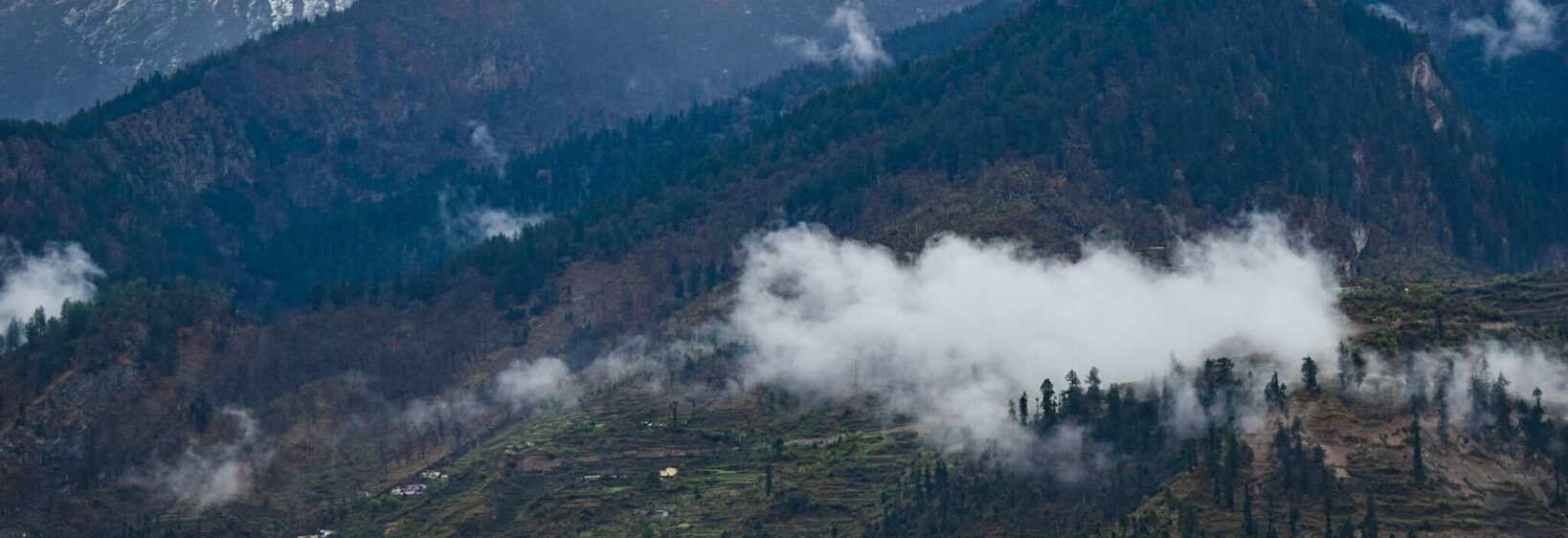
The Pangot Village Birdwatching Walk Near Nainital
A quiet birdwatching walk in Pangot offers a gentler way to experience the Kumaon Himalayas. Located around 15 kilometres from Nainital, this small mountain village is surrounded by oak, rhododendron, deodar, and pine forests where birds move through the canopy, hillside farms, and shaded trails.
The appeal lies in the pace. Instead of covering a long trekking route, visitors can follow village paths and forest edges, pausing often to listen for calls or watch movement between branches. Early mornings are especially rewarding, when the air is cool and the forest is most active.
Pangot also suits travellers who enjoy photography, peaceful homestays, and local culture. The walk can be a short outing during a Nainital holiday or part of a longer Kumaon itinerary focused on nature, mountain landscapes, and Himalayan wildlife.
Why Pangot Appeals To Birdwatchers
Pangot is known for its varied bird habitat. Dense broadleaf forest provides shelter and food, while open clearings and cultivated terraces create different viewing opportunities within a relatively small area. This mixture attracts both resident Himalayan birds and seasonal visitors.
The village is less hectic than central Nainital, making it easier to concentrate on natural sounds and subtle movement. A local guide can identify calls, explain forest plants, and lead visitors towards suitable viewpoints without disturbing nesting areas. Even beginners can enjoy the walk with ordinary binoculars and patience.
Birds You May Encounter
Depending on the season and trail, walkers may spot species such as the Himalayan bulbul, blue whistling thrush, grey-winged blackbird, black-eared kite, kalij pheasant, Eurasian jay, woodpeckers, barbets, and several varieties of flycatcher. Colourful birds may appear briefly, so keeping binoculars ready is useful.
Bird activity changes with altitude, weather, and habitat. Look towards fruiting trees for bulbuls and barbets, listen near streams for thrushes, and scan forest margins for pheasants. A notebook or phone recording can help visitors remember calls and sightings without relying on photographs alone.
Planning The Forest Walk
The best time for a Pangot birding trip is usually from spring to early summer or during the clear autumn months. Rhododendrons add colour in spring, while autumn often brings crisp visibility and comfortable walking conditions. Monsoon rain can make paths slippery and reduce visibility, although the forest becomes especially lush.
Start soon after sunrise, wear shoes with reliable grip, and carry water, light snacks, a rain layer, and sun protection. Mobile coverage may be inconsistent on some paths, so save directions in advance and arrange transport back to Nainital before setting out.
| Season | Walking Conditions | What To Expect |
|---|---|---|
| Spring | Cool and colourful | Active birds and flowering rhododendrons |
| Summer | Pleasant mornings | Good forest activity before midday heat |
| Monsoon | Wet and misty | Lush scenery but muddy, slippery trails |
| Autumn | Clear and comfortable | Excellent mountain views and bird calls |
| Winter | Cold, often bright | Quiet paths and strong morning light |
Finding Birds In Different Habitats
The most productive approach is to treat every part of the landscape differently. Forest interiors may reward patient listening, while village edges offer clearer views of birds feeding in shrubs or crossing open spaces. Streams and damp gullies can reveal species that prefer cool, shaded conditions.
Do not rush from one sighting to the next. Stop at a safe viewpoint, remain still for several minutes, and watch branches rather than searching randomly across the entire forest. Birds often reveal themselves through a flicker, a call, or falling leaves before they become visible.
Photography Without Disturbance
Pangot is well suited to nature photography, but a long lens is not essential for enjoying the walk. Wide-angle images of forest trails, village roofs, mist, and mountain light can tell the story of the destination just as effectively as close bird portraits. Avoid using flash, loud playback, or repeated calls to attract birds.
Keep a respectful distance from nests and feeding sites, and follow the guidance of local residents or naturalists. Travellers who enjoy quiet retreats in Uttarakhand may also appreciate the reflective atmosphere described in Mayawati Ashram, another setting where slow observation becomes part of the experience.
Simple Choices For A Better Experience
A little preparation makes the walk safer, quieter, and more rewarding:
- Book a local guide if you are unfamiliar with forest trails or bird calls.
- Carry binoculars, a notebook, water, and a reusable bag for personal waste.
- Wear muted clothing and avoid sudden movements near feeding or nesting areas.
- Check the weather before leaving and allow extra time for slippery sections.
- Support village homestays, local cafés, and responsible transport providers.
Choose accommodation within or near Pangot when possible, since an early start is easier without a long drive from Nainital. Ask hosts about recent sightings, trail conditions, and the safest routes for your level of fitness.
The village can also be combined with Nainital Lake, Snow View, Kilbury, or a broader Uttarakhand photography journey. Travellers planning a winter-focused mountain trip may find the guide to Auli skiing conditions useful when comparing snow landscapes with Pangot’s forest birding.
Pack lightly, wake early, and give the forest time to reveal itself. A carefully planned walk through Pangot’s oak and rhododendron woods can become one of the most memorable nature experiences near Nainital, especially when photographs are paired with the sounds and stories of the village.