Guide to Thal Keshar Monastery and its murals
Thal Keshar Monastery is a quiet Himalayan heritage site where Buddhist worship, mountain architecture, and painted religious art come together. It offers a slower experience than Uttarakhand’s busier pilgrimage towns, with time to observe details that are easy to miss during a rushed visit.
The monastery is best approached as a place of living faith rather than simply a sightseeing stop. Its murals, prayer spaces, decorative borders, and surrounding landscape reflect the influence of Tibetan Buddhist traditions adapted to the Kumaon hills.
Before travelling, verify the current road condition and local directions. Smaller monasteries may have limited signage, changing opening arrangements, and no formal visitor facilities. Photo-led travel notes on UK Photos Gallery can also help place this visit within a wider Uttarakhand itinerary.
Where the monastery fits into a Kumaon journey
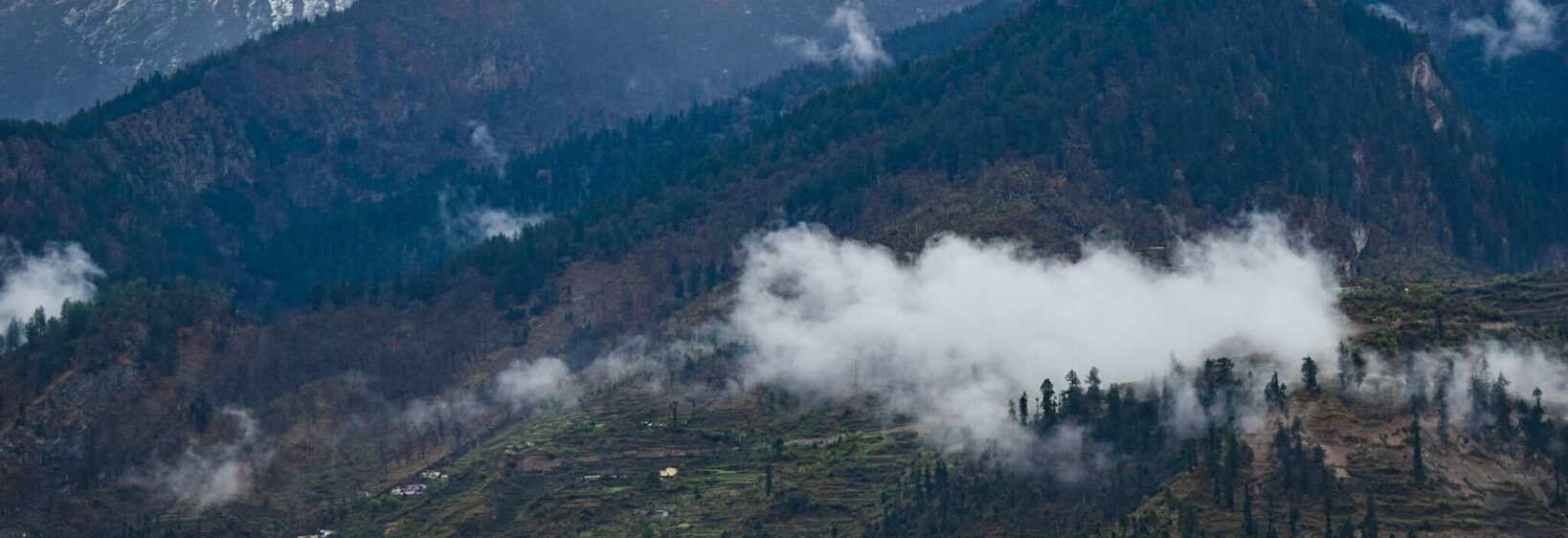
Thal Keshar is associated with the highland cultural landscape of Kumaon, where mountain villages, old footpaths, temples, and Buddhist settlements exist within the same broad region. The approach is part of the experience: roads can be narrow, slopes are steep, and weather may alter travel times.
Rather than treating the monastery as an isolated attraction, combine it with nearby villages, viewpoints, local markets, or a longer circuit through the hills. A locally recommended driver or guide is useful because map applications may show incomplete routes or use different spellings for the settlement and monastery.
What to notice in the building
The monastery’s atmosphere is shaped by its compact prayer hall, colourful exterior details, and calm courtyard. Look for painted wooden elements, roof ornaments, prayer flags, carved doors, and the relationship between the building and the mountain setting.
Inside, visitors may find a shrine room with statues, ritual objects, incense, butter lamps, and wall paintings. The interior can be dim, so allow your eyes to adjust rather than using a bright phone light. Never enter a restricted room simply to get a better view.
Reading the murals
The murals are generally rooted in Tibetan Buddhist visual language. Figures of Buddhas, bodhisattvas, guardians, teachers, and symbolic forms may appear within carefully arranged panels. Lotus flowers, clouds, flames, wheels, and geometric borders help separate sacred scenes and communicate ideas about protection, compassion, wisdom, and spiritual discipline.
Colours also carry visual importance. Deep reds, blues, greens, ochres, and gold-like highlights create a strong contrast against the darker interior. Some paintings may show fading, soot, flaking pigment, or uneven repairs. These signs are part of the artwork’s physical history, so avoid touching walls or leaning bags against painted surfaces.
| Visitor detail | Practical guidance |
|---|---|
| Best atmosphere | Quiet mornings or late afternoons |
| Clothing | Modest, comfortable layers with covered shoulders and knees |
| Photography | Ask before photographing interiors, murals, monks, or ceremonies |
| Road conditions | Check locally, especially during monsoon and winter |
| Facilities | Carry water, snacks, cash, and basic medicines |
| Time needed | Allow at least 30–60 minutes for an unhurried visit |
Understanding the religious setting
A monastery is an active spiritual centre, not a museum. Monks and local devotees may be praying, studying, lighting lamps, or preparing for a ceremony while visitors are present. Keep voices low, silence notifications, and follow any signs or instructions at the entrance.
Walk clockwise around sacred objects when local practice indicates this, and avoid pointing your feet toward a shrine or teacher. Do not pick up ritual items, prayer books, offerings, or decorative objects. A small donation, made discreetly and according to local custom, can support maintenance when a donation box is available.
When to go and what to carry
Spring and autumn usually provide comfortable conditions for travelling through the Kumaon hills, with clearer views and pleasant daytime temperatures. Summer can be warm in exposed stretches, while monsoon rain may bring slippery roads, landslides, and delays. Winter mornings can be cold, particularly at higher elevations.
Pack a light rain layer, warm clothing, sturdy shoes, sunscreen, water, and a power bank. Mobile coverage may be inconsistent, so download directions before leaving the main town. If you are travelling for photography, carry spare batteries and a small cloth for cleaning equipment, but keep all gear discreet inside the prayer hall.
A respectful photography visit
The murals deserve close observation rather than rapid documentation. Use available light where permitted, disable flash, and avoid blocking worshippers. A wide-angle photograph of the room can be useful, but detailed images should never take priority over conservation or religious privacy.
- Ask permission before taking interior photographs.
- Keep a safe distance from painted surfaces and sacred objects.
- Record the local name and spelling used by residents.
- Hire a local guide when the route or history is unclear.
- Leave no plastic, food packaging, or other waste behind.
A visit becomes more meaningful when paired with listening: learn how residents describe the monastery, its festivals, and its paintings. Save the location details, check conditions before departure, and approach Thal Keshar with patience so its murals and peaceful setting can be appreciated without disturbing the life of the monastery.