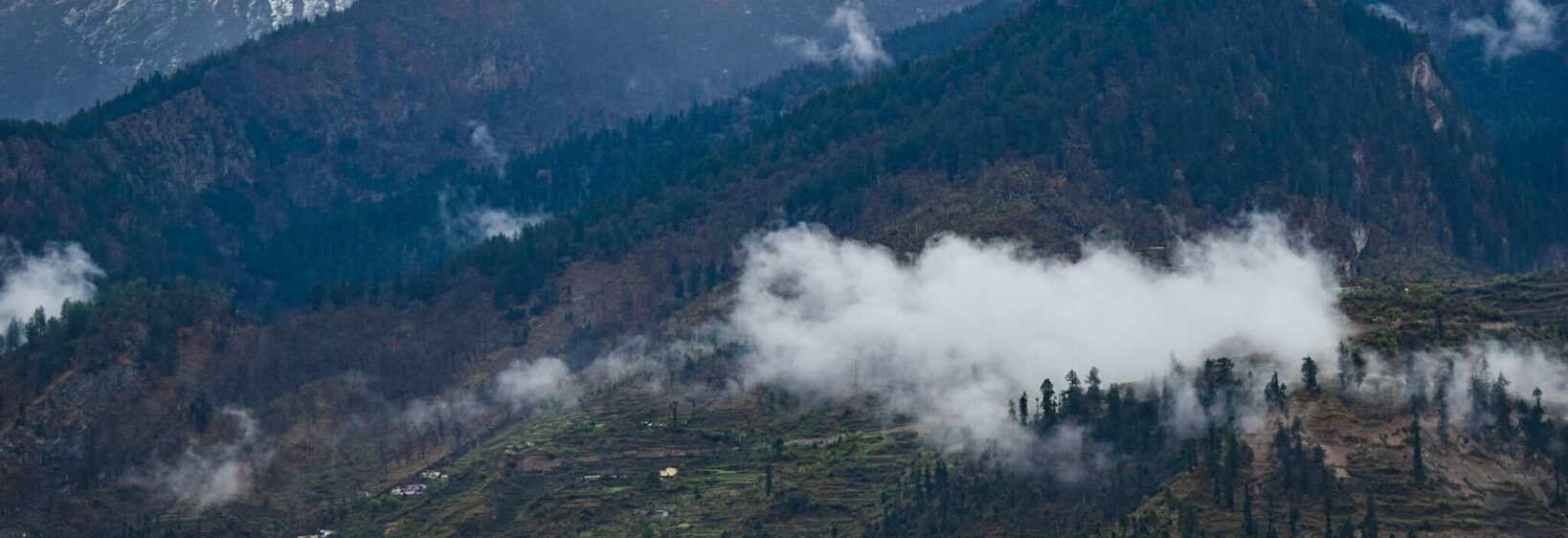
Trekking To Pindari Glacier Through Dhakuri Pass
The Pindari Glacier trek is one of Kumaon’s most rewarding Himalayan journeys, combining forest trails, high meadows, village culture, and dramatic views of snow-covered peaks. The traditional approach through Dhakuri Pass begins near Loharkhet and gradually leads into the Pindar Valley.
This route is especially appealing to trekkers who want more than a glacier viewpoint. Along the way, the trail passes through oak and rhododendron forests, remote settlements, wooden bridges, grazing grounds, and landscapes shaped by the Pindari River.
Before travelling, browse Uttarakhand travel stories for destination ideas, local photography, and practical inspiration for exploring the state’s mountain regions.
Reaching The Trailhead
Most itineraries begin at Loharkhet, reached by road from Kathgodam, Almora, Bageshwar, or Haldwani. Loharkhet is the usual starting point for the climb towards Dhakuri Pass, where the landscape changes from settled hillsides to quiet alpine terrain.
The first section is a steady uphill walk through forest. Dhakuri offers wide views towards peaks such as Nanda Kot and the surrounding Kumaon ranges when the weather is clear. Trekkers generally spend the night here before continuing towards Khati, the largest village on the route.
Crossing Dhakuri Pass
The ascent to Dhakuri Pass tests endurance early in the journey. The path can be steep and uneven, with stone steps and muddy stretches during the monsoon season. A slow pace, walking poles, and regular water breaks make this section more comfortable.
Beyond the pass, the trail descends through thick woodland towards Khati. The village provides an important cultural moment on the trek, with traditional homes, small guesthouses, and farming terraces. Staying locally supports residents and gives travellers a closer view of life in the Pindar Valley.
Villages, Forests, And River Valleys
From Khati, the trail continues towards Dwali, following the Pindar River and passing through forests of pine, birch, rhododendron, and oak. The sound of rushing water remains a constant companion, while narrow bridges and rocky sections add variety to the route.
Dwali is commonly used as an overnight halt before the final approach. Some trekkers continue to Phurkia on the same day, but splitting the distance helps with acclimatisation and leaves more time to enjoy the scenery. Small seasonal lodges and camps may be available, although facilities are basic.
| Trek Stage | Approximate Walking Time | Typical Overnight Stop |
|---|---|---|
| Loharkhet to Dhakuri | 5–6 hours | Dhakuri |
| Dhakuri to Khati | 5–7 hours | Khati |
| Khati to Dwali | 5–6 hours | Dwali |
| Dwali to Phurkia | 3–4 hours | Phurkia |
| Phurkia to Pindari Glacier Zero Point | 5–6 hours | Phurkia or Dwali |
| Return towards Loharkhet | 3–6 hours daily | Route villages |
The Final Walk To Zero Point
Phurkia marks the last major settlement before the glacier viewpoint. From here, the trail climbs gradually through a stark, high-altitude landscape. The route becomes more exposed, and patches of snow may remain near the glacier even outside winter.
Pindari Glacier Zero Point provides a close view of the glacier’s terminus and the surrounding peaks. The exact appearance changes with season, weather, and glacial movement. Trekkers should avoid walking onto unstable ice, loose moraine, or areas beyond marked safe points.
Best Season And Trek Conditions
The most suitable seasons are spring, when rhododendrons bloom, and autumn, when skies are often clearer after the monsoon. April to June and September to November are generally preferred, although local weather should always be checked before departure.
Rain can make the trail slippery between July and August, while heavy snow may restrict access during winter. Conditions can change quickly at altitude, so a waterproof jacket, warm layers, sturdy trekking shoes, gloves, sun protection, and a headlamp are essential.
Responsible Planning For The Himalayas
The trek is moderately challenging because of its length, repeated ascents and descents, limited services, and high-altitude environment. A basic fitness routine involving hill walking, stair climbing, and loaded-pack training can make the journey safer and more enjoyable.
Keep the route clean, carry reusable water bottles, avoid loud music, and respect village customs and religious spaces. Use registered guides or experienced local operators when possible, especially if travelling in a group with limited Himalayan experience.
Practical Recommendations
- Allow around seven to nine days for the complete trek from the roadhead and return.
- Carry cash, personal medication, water purification supplies, and a compact first-aid kit.
- Hire local porters or guides through reliable contacts and agree on costs before departure.
- Check permits, weather reports, road conditions, and accommodation availability in advance.
- Pack every item of non-biodegradable waste out of the valley.
The Dhakuri Pass approach to Pindari Glacier rewards careful preparation with a memorable journey through one of Uttarakhand’s most beautiful mountain corridors. Plan the route with respect for local communities and fragile landscapes, then set out with a light footprint and enough time to experience every stage of the trail.