Best Places to See Rhododendrons in Uttarakhand in Spring
When spring reaches the Himalayan foothills, Uttarakhand’s forests change colour. Rhododendron trees, locally known as buransh, open their vivid red, pink, and occasional white flowers among oak, pine, and deodar. The flowering season usually runs from March to May, although the exact timing depends on altitude, weather, and winter snowfall.
These blossoms make hill roads, village trails, temple paths, and forest walks especially attractive for photographers. The best experience comes from travelling slowly, allowing time for changing mountain light, distant snow views, and the small settlements that surround the flowering forests. The Uttarakhand travel gallery offers further visual inspiration for planning a photo-focused journey across the state.
Why Spring Is Ideal For Buransh
Rhododendrons grow widely across the middle Himalayan belt, commonly between about 1,500 and 3,000 metres. Lower valleys may see flowers from early March, while higher trails often reach peak bloom in April or early May. Warm, sunny days can bring an early season, whereas late snow may delay flowering.
The trees are particularly striking against fresh green foliage and clear blue skies. In several villages, the flowers are also used to prepare buransh juice, a refreshing local drink with a gentle floral flavour. Visitors should admire the trees without breaking branches or collecting blooms from protected forests.
Chopta And Tungnath Forests
Chopta is among the most rewarding spring destinations for rhododendron scenery. The route between Chopta, Duggalbitta, and nearby forest settlements passes through dense stands of buransh, oak, and conifer. During the flowering months, red blossoms appear beside winding roads and walking paths, with Himalayan peaks often visible beyond the trees.
The Tungnath trek can also offer beautiful spring views, although conditions become colder and more exposed as the trail climbs. Lower sections around Chopta are generally better for leisurely flower photography, while the upper route is more suitable for trekkers prepared for changing weather, snow patches, and limited facilities.
Binsar, Ranikhet, And Mukteshwar
Binsar Wildlife Sanctuary is an excellent choice for quiet woodland walks. Its broadleaf forests contain rhododendron, oak, and cedar, and the Zero Point area provides impressive views toward Nanda Devi and other Himalayan summits. Visitors need to follow sanctuary rules and remain on permitted paths.
Ranikhet and Mukteshwar are easier to include in a Kumaon itinerary because both have good road access and a range of accommodation. The forest roads around Chaubatia, Majkhali, and Mukteshwar can be colourful in April. Ranikhet’s peaceful cantonment landscapes are especially appealing for travellers who want flower photography without a demanding trek.
A Quick Planning Guide
The ideal destination depends on the flowering window, walking ability, and the kind of landscape you want to photograph. Lower-altitude forests are convenient for families and short visits, while Chopta and Munsiyari provide stronger high-mountain scenery.
| Destination | Usual Bloom Period | Landscape | Access And Activity |
|---|---|---|---|
| Chopta | Late March to April | Rhododendron forest and high peaks | Road travel, trekking, photography |
| Binsar | March to April | Dense oak woodland and viewpoints | Forest walks and birdwatching |
| Ranikhet | March to April | Quiet roads, orchards, and mixed forest | Easy sightseeing and photography |
| Mukteshwar | March to April | Hill forests, cliffs, and village views | Short walks and temple visits |
| Munsiyari | April to May | High valleys and distant snow ranges | Longer road journey and trekking |
| Khirsu | March to April | Rural slopes and Himalayan panoramas | Village walks and relaxed stays |
Munsiyari And Khirsu
Munsiyari is farther from the major tourist centres, but its spring landscapes reward travellers who have extra time. Rhododendrons appear along forest roads and trails around the town, while snow-covered Panchachuli peaks create a dramatic background. April and early May are often suitable for combining flower viewing with village walks and short treks.
Khirsu, near Pauri, offers a gentler alternative. Its quiet slopes, apple orchards, pine forests, and mountain views create a peaceful setting for seeing buransh away from crowded routes. The destination works well for travellers interested in rural life, local food, and slow photography rather than a packed sightseeing schedule.
Photographing Flowers Responsibly
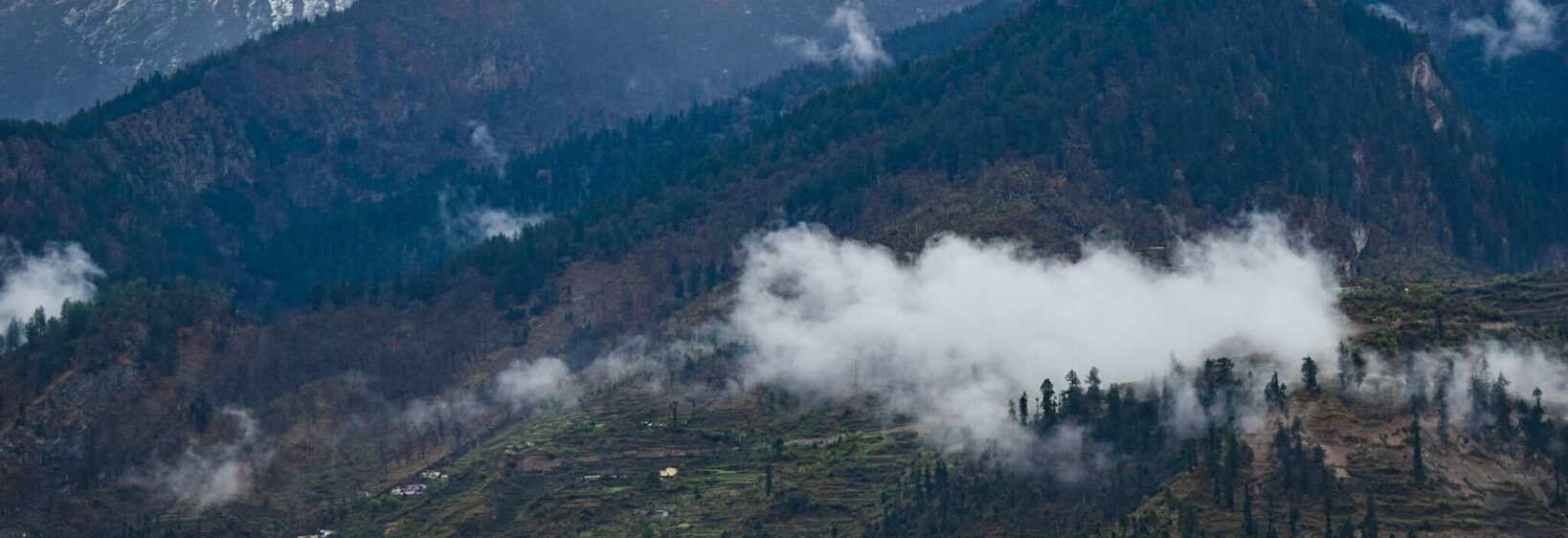
Early morning and late afternoon produce the richest colour and softer shadows. A telephoto lens helps isolate individual flowers, while a wide-angle lens can show the relationship between the trees, villages, and Himalayan ridges. Misty weather can also create atmospheric images, so cloudy days should not be dismissed.
A few simple habits protect these fragile habitats and improve the quality of the visit:
- Stay on established trails and avoid trampling young plants.
- Never pull branches or collect flowers inside forests and sanctuaries.
- Carry drinking water, snacks, and a small bag for personal waste.
- Ask permission before photographing villagers, homes, or religious ceremonies.
- Check road conditions and local accommodation before travelling to remote areas.
Choosing The Right Spring Route
For a short trip from Delhi or the plains, Ranikhet, Mukteshwar, and Binsar are practical choices. They combine accessible roads with forest scenery, comfortable stays, and opportunities for temple visits and local sightseeing. A longer journey to Chopta adds greater altitude, more dramatic peaks, and a stronger trekking atmosphere.
Travellers with a week or more can link several destinations through a Garhwal or Kumaon circuit. Keep the itinerary flexible because mountain roads, rain, and late snow can affect travel times. Booking homestays and guesthouses early is wise during the March-to-May holiday period, especially around Chopta and popular Kumaon towns.
Plan your spring journey around the flowering forecast, carry suitable layers, and give each forest enough time to reveal its colours. A thoughtful visit supports local communities while preserving Uttarakhand’s remarkable buransh landscapes for future seasons.