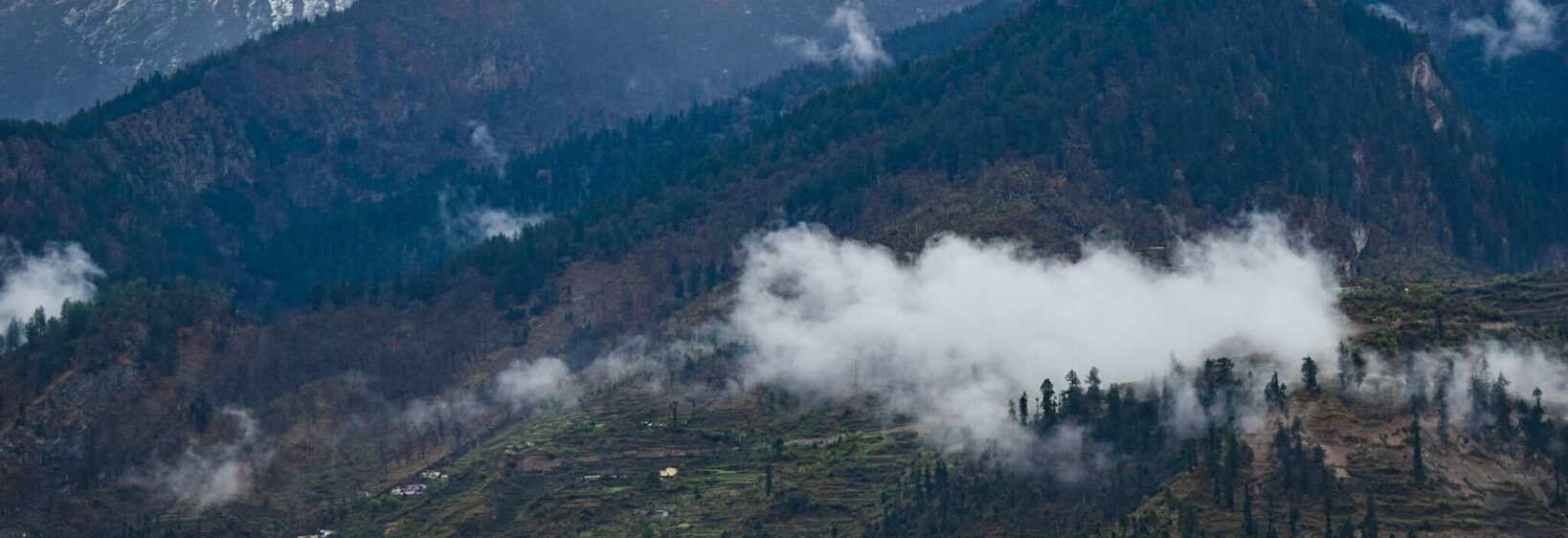
Photographing the evening aarti at Triveni Ghat in Rishikesh
As daylight fades over the Ganga, Triveni Ghat becomes a meeting place for devotion, music, river light, and quiet observation. The evening aarti is one of Rishikesh’s most atmospheric experiences, drawing pilgrims, residents, musicians, and photographers to the broad riverside steps.
The ceremony offers constantly changing photographic moments: oil lamps rising in circles, priests moving in rhythm, flower offerings drifting downstream, and the last warm light touching the surrounding hills. A thoughtful approach helps capture the spirit of the ritual without disturbing those taking part.
Photographing the evening aarti at the Triveni Ghat in Rishikesh requires more than a capable camera. Timing, respectful positioning, low-light technique, and an awareness of local customs all contribute to images that feel authentic.
Arrive before the river ceremony
Reach Triveni Ghat at least 45 minutes before the aarti begins. This allows time to walk around, identify unobtrusive viewpoints, and watch how the crowd gathers. The riverfront is usually calmer before the main ceremony, making it easier to photograph the ghat, temple bells, marigold baskets, and the broad sweep of the Ganga.
The steps closest to the water can become busy, so avoid blocking paths or reserving large areas with equipment. A compact camera or mirrorless setup is easier to manage than a large kit. Keep bags close and protect them from accidental splashes, incense ash, and the movement of visitors.
Choose a respectful viewpoint
The best position is often slightly to the side rather than directly in front of the priests. From there, you can include the lamps, worshippers, and river in the same frame without standing in the centre of the ceremony. A low viewpoint near the steps can emphasize reflections, while a higher position reveals the scale of the gathering.
Ask permission before making close portraits, especially when photographing families, elderly pilgrims, or people praying. Avoid using flash during the aarti, since sudden light can distract participants and flatten the warm glow of the flames. Silent observation is part of good travel photography in Rishikesh.
Manage low light and moving flames
The ceremony takes place in rapidly changing light. Begin with a moderate ISO, then raise it as the sky darkens. A shutter speed around 1/125 second can freeze hand movements, while a slower setting may create attractive trails from moving lamps if the camera is held steadily.
Use aperture priority when conditions change quickly, or manual exposure when you want consistent results. Focus on the nearest lamp or priest, and review highlights carefully because flames can become bright white. Shoot in RAW if possible; it gives greater control over shadows, golden tones, and river reflections during editing.
| Scene or subject | Useful approach | Visual result |
|---|---|---|
| Priests carrying lamps | Fast shutter and continuous autofocus | Sharp movement and glowing flames |
| Lamps reflected in the Ganga | Low viewpoint and careful framing | Repeated light patterns on the water |
| Worshippers during prayer | Longer lens and quiet distance | Intimate images without intrusion |
| Wide view of the ghat | Moderate aperture and balanced exposure | Context, architecture, and atmosphere |
| Floating diyas after the aarti | Slow shutter with steady support | Soft trails and luminous reflections |
Capture the details between rituals
Strong photo stories include more than the central fire ceremony. Look for hands holding brass lamps, flower petals beside the water, incense smoke rising against the dusk, and temple bells silhouetted against the fading sky. These details can form a visual sequence that conveys the texture of the evening.
Watch for transitions rather than photographing every moment continuously. The first flame, the synchronized movement of the lamps, and the final offerings often provide the clearest narrative. Leave space in some frames for the river and darkening sky, which helps communicate the peaceful setting.
Work with colour and atmosphere
The warm orange of the aarti lamps contrasts beautifully with the cool blue tones of twilight. Instead of correcting away this difference, preserve it to show the natural mood of the ghat. A slightly warm white balance can enhance the firelight, but avoid excessive saturation that makes the scene appear artificial.
Rain, mist, or a hazy evening can soften distant details and create a layered image. After the ceremony, the river may carry dozens of small diyas downstream. For photographers interested in the wider cultural character of the region, exploring Kumaon craft beer also offers a different perspective on Uttarakhand’s local flavours and mountain life.
Prepare your kit and conduct
Simple equipment is usually enough for this riverside event. Carry a fast standard lens, one spare battery, an extra memory card, and a small cloth for wiping condensation. A lightweight strap keeps both hands free, while a compact tripod should only be used if it does not obstruct other visitors.
Keep these practical principles in mind:
- Turn off flash and camera sounds when possible.
- Keep a safe distance from flames, incense, and the river edge.
- Wear comfortable footwear for uneven stone steps.
- Protect gear with a weatherproof cover or sealed bag.
- Review images after the ceremony rather than during important moments.
The most memorable photographs often come from patience. Let the scene unfold, observe the rhythm of the prayers, and make a few deliberate frames instead of constantly searching for a new angle.
A respectful photo essay from Triveni Ghat can preserve the colours, devotion, and atmosphere of an evening on the Ganga. Share the finished images with clear captions about the place and ceremony, and let them encourage others to experience Rishikesh with the same care and attention.