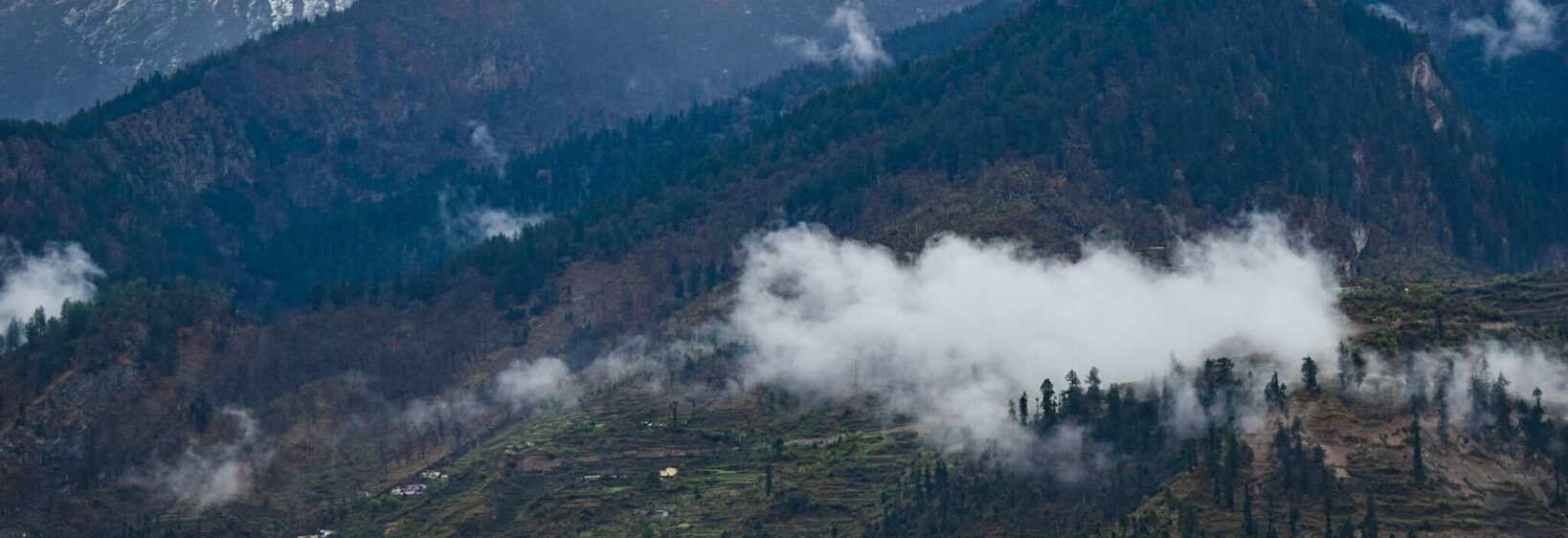
Staying At A Riverside Camp In The Tons Valley
The Tons Valley in Uttarakhand offers a quieter Himalayan experience shaped by forested slopes, clear streams, traditional villages, and wide open skies. Located in the western part of the state, the valley is a rewarding destination for travellers who prefer slow mornings, scenic drives, and close contact with mountain life.
A riverside camp here is more than a place to sleep. The sound of flowing water becomes part of the stay, while simple tents, local meals, village walks, and outdoor activities create a refreshing break from busy hill stations. The experience feels especially memorable when the river is framed by pine-covered ridges and changing afternoon light.
For visual travel inspiration, explore the destination stories and Uttarakhand photography shared on UK Photos Gallery, which also covers local attractions, culture, and mountain journeys.
Why Tons Valley Feels Different
The valley is known for its natural beauty and relatively peaceful atmosphere. Instead of crowded markets and constant traffic, visitors find winding roads, scattered settlements, terraced fields, and wooded hillsides. The Tons River and its tributaries give many locations a cool, refreshing character, particularly during the warmer months.
Camping beside the river allows travellers to notice details that are easy to miss on a short sightseeing stop. Morning mist may rest above the water, birdsong replaces urban noise, and the changing colours of the mountains become a daily spectacle. Even an unplanned walk near the camp can reveal small bridges, village paths, or views across the valley.
Selecting The Right Riverside Camp
Camp locations vary from basic tented sites to comfortable properties with attached bathrooms, dining areas, electricity, and organised excursions. Before booking, check whether the camp is directly beside the river or simply located in the wider valley. The distinction matters if riverside views and water sounds are central to the experience.
Ask about road access, mobile connectivity, hot water, bedding, meals, and electricity backup. Some camps are ideal for travellers seeking a quiet retreat, while others focus on rafting, trekking, bonfires, or group activities. Families may prefer a secure site with easier access, while experienced trekkers might choose a more remote location.
| Camp feature | Why it matters | What to check |
|---|---|---|
| Riverside position | Provides views, cool air, and natural ambience | Distance from the water and safety barriers |
| Tented accommodation | Creates a closer connection with nature | Mattress quality, insulation, and ventilation |
| Meals | Reduces the need to travel for food | Menu, meal timings, and local ingredients |
| Outdoor activities | Adds adventure to the stay | Guides, equipment, weather limits, and costs |
| Road access | Makes arrival and departure easier | Last-mile route and vehicle suitability |
| Power and network | Helps with communication and comfort | Backup lights, charging points, and signal range |
A Typical Day Beside The River
A relaxed morning often begins with tea outside the tent while sunlight reaches the upper slopes. After breakfast, guests can take a short nature walk, visit a nearby village, or simply sit by the water. The best approach is to leave enough unplanned time rather than filling every hour with activities.
Afternoons are suitable for longer excursions when weather and road conditions allow. Depending on the camp, options may include fishing, birdwatching, river activities, forest walks, or a drive to a nearby viewpoint. By evening, the temperature drops quickly, making warm layers useful even after a mild day.
Local Food And Mountain Hospitality
Meals at valley camps are generally simple, filling, and influenced by Garhwali and North Indian home cooking. Dal, rice, seasonal vegetables, roti, and pickles are common choices, while locally prepared dishes may be available when arranged in advance. Fresh ingredients and warm service often become an important part of the stay.
Travellers with dietary restrictions should inform the camp before arrival. Food supplies can be limited in remote areas, so special requests may require prior planning. Carrying a few snacks is practical, but visitors should avoid excessive packaged goods and take all waste back to the proper collection point.
Activities Around The Campsite
The Tons Valley appeals to both adventure seekers and travellers who want restorative outdoor time. Short hikes lead through forests and village landscapes, while longer routes require local guidance and suitable fitness. The region’s scenery also makes it rewarding for landscape photography, especially during early morning and late afternoon.
Water-based recreation should be approached carefully. River currents, sudden weather changes, and slippery rocks can create hazards, so activities should be undertaken only with qualified local operators. Respect marked boundaries and never enter fast-flowing water without proper equipment or supervision.
Practical Planning For A Comfortable Stay
The best season depends on the experience desired. Spring brings fresh greenery and pleasant temperatures, summer is suitable for outdoor exploration, and autumn often offers crisp air and clear mountain views. Monsoon travel can be atmospheric but may involve slippery roads, landslides, and transport delays. Winter nights are cold, so confirm the camp’s heating and bedding arrangements.
Keep the itinerary flexible because mountain travel takes longer than map estimates suggest. Useful preparations include:
- Carry warm layers, rain protection, sturdy shoes, and personal medicines.
- Confirm transport, check-in times, and the final road conditions before departure.
- Choose camps with clear safety practices and responsible waste management.
- Carry cash because card and mobile payment services may be unreliable.
- Respect village customs, avoid loud music, and ask before photographing local people.
A stay beside the Tons River becomes most rewarding when comfort, safety, and curiosity are balanced. Choose a camp that suits your travel style, allow time for quiet observation, and let the valley’s forests, communities, and flowing water shape the rhythm of the trip. Start planning a responsible escape into western Uttarakhand and make the riverside landscape part of your next mountain journey.