The Mukteshwar Temple: Wood Carvings and Hilltop Views
High above the Kumaon hills, Mukteshwar Temple combines spiritual importance with an impressive Himalayan setting. The shrine stands near Mukteshwar town in Nainital district, surrounded by deodar forests, terraced slopes, and clear mountain air.
Dedicated to Lord Shiva, this hilltop temple is associated with Mukti Dham, a place linked to meditation and liberation. Its quiet atmosphere feels different from the busy pilgrimage centres of the plains, making it a rewarding stop for travellers interested in heritage, nature, and local culture.
The climb to the shrine is part of the experience. Stone steps lead through the hillside to a small temple complex, where traditional details, prayer bells, and wide views create excellent opportunities for photography.
A Sacred Shrine In The Kumaon Hills
Mukteshwar Temple is believed to be several centuries old and is traditionally connected with the worship of Shiva. The inner sanctum houses a revered Shiva lingam, while the surrounding space remains simple and devotional rather than heavily commercialised.
The temple is especially busy during Maha Shivaratri and other important Hindu festivals. Local devotees visit throughout the year, often combining worship with a walk through the forest and a visit to nearby viewpoints.
Wooden Details And Mountain Craft
The temple’s stone structure reflects the practical architecture of the Himalayan region, while its wooden doors, frames, and decorative elements reveal the importance of timber craftsmanship in Kumaoni homes and shrines. Floral patterns, geometric borders, and carefully worked panels show how local artisans brought visual richness to functional surfaces.
Wood carving is also visible in the wider cultural landscape around Mukteshwar. Older houses, village balconies, and traditional gateways may feature carved brackets or shutters. Visitors should look closely and respectfully, since these details can be easy to miss beside the dramatic scenery.
The textures of aged wood, weathered stone, brass bells, and painted religious symbols make the temple especially appealing to photographers. A quiet morning visit often provides the softest light for recording these architectural features.
Views From The Temple Ridge
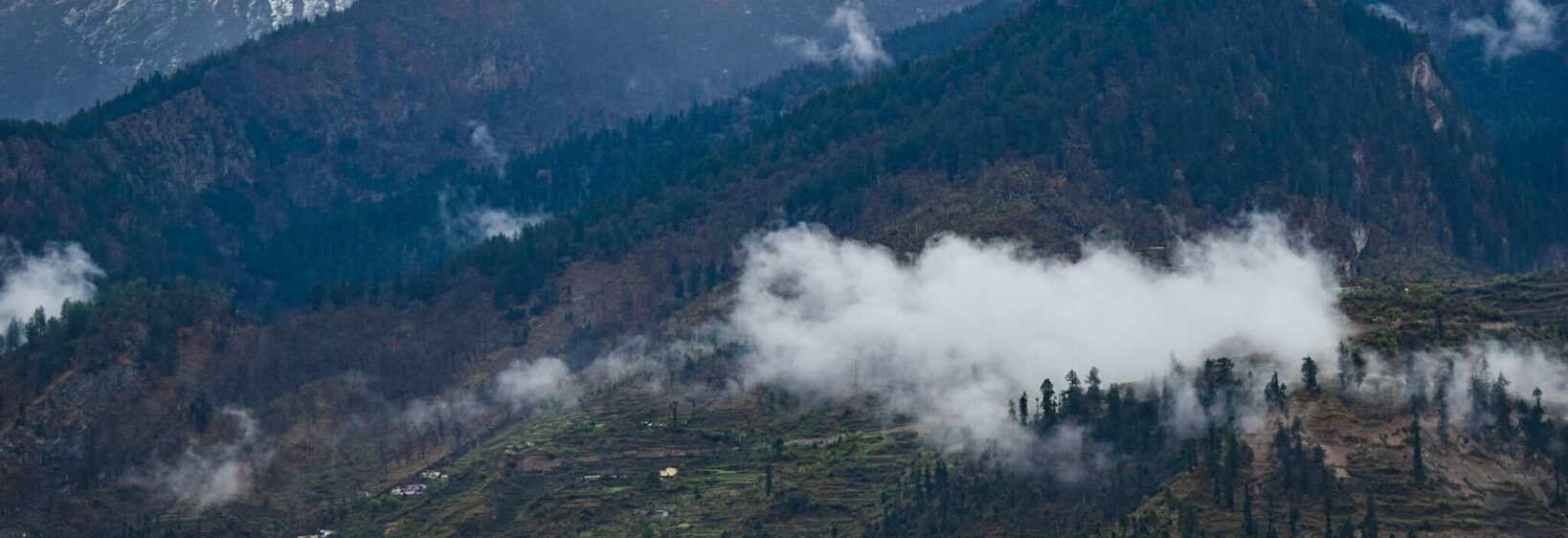
Mukteshwar’s elevated position creates broad views across the Kumaon Himalayas. On a clear day, distant snow peaks may appear beyond layers of forested ridges, while closer slopes show a patchwork of villages, orchards, and fields.
The scenery changes with the season. Spring brings flowering trees, monsoon months create deep green hills, autumn often offers cleaner visibility, and winter can bring crisp skies with occasional frost. Sunrise and late afternoon are usually the most atmospheric periods for landscape photography.
| Feature | What Visitors Can Expect |
|---|---|
| Location | Mukteshwar, Nainital district, Uttarakhand |
| Main deity | Lord Shiva |
| Architectural character | Stone shrine with traditional wooden details |
| Best visual elements | Carved doors, bells, forest paths, mountain ridges |
| Ideal visiting period | Spring, autumn, and clear winter days |
| Nearby experiences | Viewpoints, orchards, village walks, and nature trails |
Planning A Comfortable Visit
Mukteshwar is connected by road with Nainital, Haldwani, Bhowali, and Almora. The final approach includes uphill roads and steps, so comfortable footwear is useful. Older visitors may prefer to climb slowly and take breaks along the route.
There may be limited facilities immediately around the temple, particularly outside the main tourist season. Carry drinking water, protect camera equipment from sudden weather changes, and dress in layers because hill temperatures can shift quickly.
Photography is generally welcome in outdoor areas, but visitors should avoid using flash inside the sanctum or photographing worshippers without permission. Modest clothing and a quiet manner are appropriate for this active place of worship.
Nearby Attractions And Local Life
A visit to the shrine can be combined with Mukteshwar’s forest trails, rocky viewpoints, and orchards. Chauli Ki Jali is a popular nearby spot for dramatic cliffside scenery, while local roads lead through villages where seasonal fruit cultivation remains an important part of life.
The region also offers homestays, small hotels, cafés, and nature-based activities. Travellers seeking a broader visual record of Uttarakhand can explore regional photo stories alongside their own photographs from Mukteshwar.
Local conversations may reveal stories about village deities, seasonal fairs, folk customs, and Kumaoni expressions. Taking time to listen adds cultural depth to a visit that might otherwise be reduced to a viewpoint stop.
Making The Most Of Your Visit
- Arrive early for quieter paths, gentle light, and clearer mountain views.
- Study the wooden doors and nearby traditional buildings for carved Kumaoni details.
- Carry a wide-angle lens for the ridge, forest, and Himalayan panorama.
- Ask before photographing residents, rituals, or private homes.
- Combine the temple visit with Chauli Ki Jali and a village or orchard walk.
Mukteshwar Temple rewards a slow visit rather than a hurried photo stop. Walk up with attention to the craftsmanship, listen to the bells and forest sounds, and leave time for the landscape to unfold. Add this peaceful hill shrine to your Uttarakhand itinerary and record its spiritual atmosphere, wooden artistry, and far-reaching views with care.