Uttarakhand’s Folk Music: Instruments and Traditional Songs
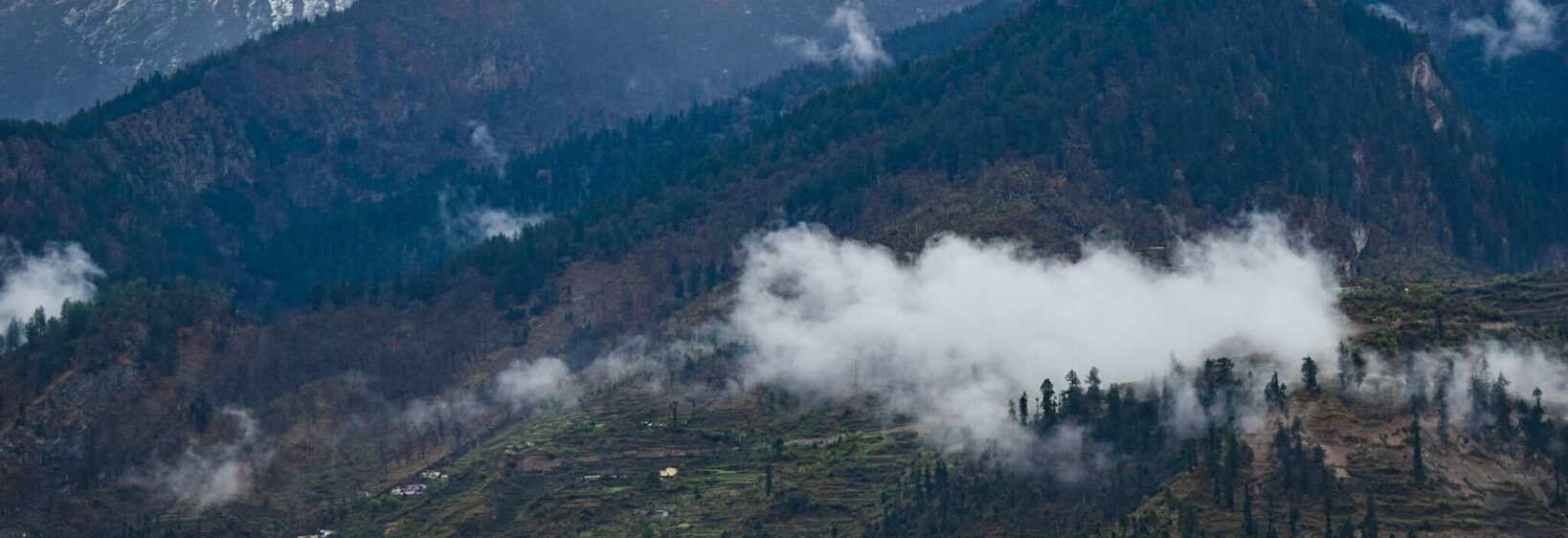
Uttarakhand’s mountain culture is carried through more than temples, trails, and seasonal fairs. Its folk music preserves memories of migration, harvests, devotion, love, and village life, giving every valley a distinctive sound. Songs are often performed collectively, with voices rising across courtyards, forests, and hillside settlements.
The musical traditions of Garhwal and Kumaon have developed through close relationships with nature and community. A simple drumbeat can invite people to dance, while a devotional melody may accompany a pilgrimage or household ritual. Many songs are learned by listening rather than reading, allowing older traditions to pass naturally to younger generations.
Musical Traditions Across Garhwal And Kumaon
Uttarakhand is commonly discussed through its two major cultural regions: Garhwal in the west and Kumaon in the east. Both have rich repertoires, though their dialects, rhythms, dances, and instruments vary. Garhwali and Kumaoni songs often reflect local geography, from high grazing grounds to terraced farms and river valleys.
Seasonal celebrations give folk music much of its energy. During festivals such as Holi, Makar Sankranti, and Nanda Devi events, people gather for singing and dancing. Marriage ceremonies, agricultural work, and religious processions also create opportunities for traditional performance.
Drums And Percussion Instruments
The dhol and damau form one of the best-known instrumental pairs in Uttarakhand. The larger dhol produces a deep, powerful beat, while the smaller damau adds sharper accents. Played together, they can announce a ceremony, accompany a deity procession, or support dancers during a village festival.
The hudka is a compact, handheld drum associated particularly with Kumaoni music. Its quick rhythms suit narrative singing and dance performances. Other percussion instruments, including thali and locally made frame drums, may be used in community gatherings when formal musicians are unavailable.
Wind And String Instruments
The ransingha is a curved brass or copper horn with a bold ceremonial tone. It is often connected with processions, temple events, and traditional public announcements. The bhankora, a long metal trumpet used especially in Garhwal, produces a resonant sound that carries across open mountain spaces.
String instruments add a gentler layer to village music. The regional variations of the ravanahatha and sarangi can accompany ballads, devotional verses, and stories about legendary figures. In some areas, performers also use the algoza, a paired flute whose flowing sound fits pastoral landscapes and outdoor gatherings.
| Instrument | Main Sound | Common Cultural Setting |
|---|---|---|
| Dhol | Deep rhythmic beat | Weddings, festivals, processions |
| Damau | Sharp supporting rhythm | Religious and community ceremonies |
| Hudka | Fast handheld percussion | Kumaoni songs and dances |
| Ransingha | Ceremonial brass call | Temple events and public gatherings |
| Bhankora | Long resonant trumpet | Garhwali rituals and processions |
| Algoza | Melodic paired flute | Pastoral music and folk performances |
Songs Of Work, Love, And Devotion
Many traditional songs are shaped around everyday experience. Nyoli, a Kumaoni lyrical form, is associated with longing and emotional separation, while Jhoda is a lively group performance in which singers and dancers move in coordinated patterns. Chanchari also brings people together through circular dancing and repeated musical phrases.
Garhwali traditions include jagar, a ritual form involving sung narratives, spiritual invocation, and percussion. Jagar performances may recount local legends, heroic ancestors, or village deities. They are culturally significant and should be approached respectfully, since they can carry religious meaning beyond entertainment.
Devotional songs dedicated to Shiva, local goddesses, and regional deities are heard in temples and pilgrimage routes. Their melodies may be simple, but their words connect families and communities to sacred landscapes such as Kedarnath, Jageshwar, and Nanda Devi shrines.
Music In Village Celebrations
At weddings, music accompanies nearly every stage of the event, from welcoming guests to dancing late into the evening. Women’s singing traditions are especially important, with groups performing humorous, affectionate, and ceremonial verses. These songs can reveal local ideas about family relationships, marriage, and village identity.
Folk dance and music also become highly visible during fairs. Performers may wear regional dress while musicians play dhol, damau, or wind instruments near temple courtyards. Visitors exploring destinations such as Ranikhet can combine cultural discovery with photography; this Ranikhet photography guide offers useful context for observing the region’s landscapes and local character.
Protecting A Living Heritage
Migration, changing entertainment habits, and limited opportunities for traditional artists have placed pressure on many folk forms. Younger residents may know popular regional songs but have fewer chances to learn older ritual music or less widely performed instruments. Recording oral traditions and supporting village performers can help preserve this knowledge.
Schools, cultural festivals, local archives, and responsible tourism all have a role. Visitors should ask permission before photographing musicians or recording ceremonies, and they should recognize that a sacred performance is not simply a staged attraction. Following regional travel and culture coverage through Uttarakhand travel stories can also encourage deeper interest in the people behind the music.
Ways To Experience The Music Respectfully
- Attend public fairs, cultural programs, or temple events where visitors are welcome.
- Learn the difference between a staged folk show and a private religious ceremony.
- Support local musicians by purchasing recordings, handicrafts, or approved performances.
- Ask before taking photographs, especially during weddings, rituals, or jagar sessions.
- Listen for regional language, rhythm, and storytelling rather than treating every song as interchangeable.
From the commanding call of the bhankora to the intimate verses of a women’s wedding song, Uttarakhand’s musical heritage expresses the character of its mountains. Explore the state with patience, attend local celebrations respectfully, and let its instruments and voices become part of the journey.