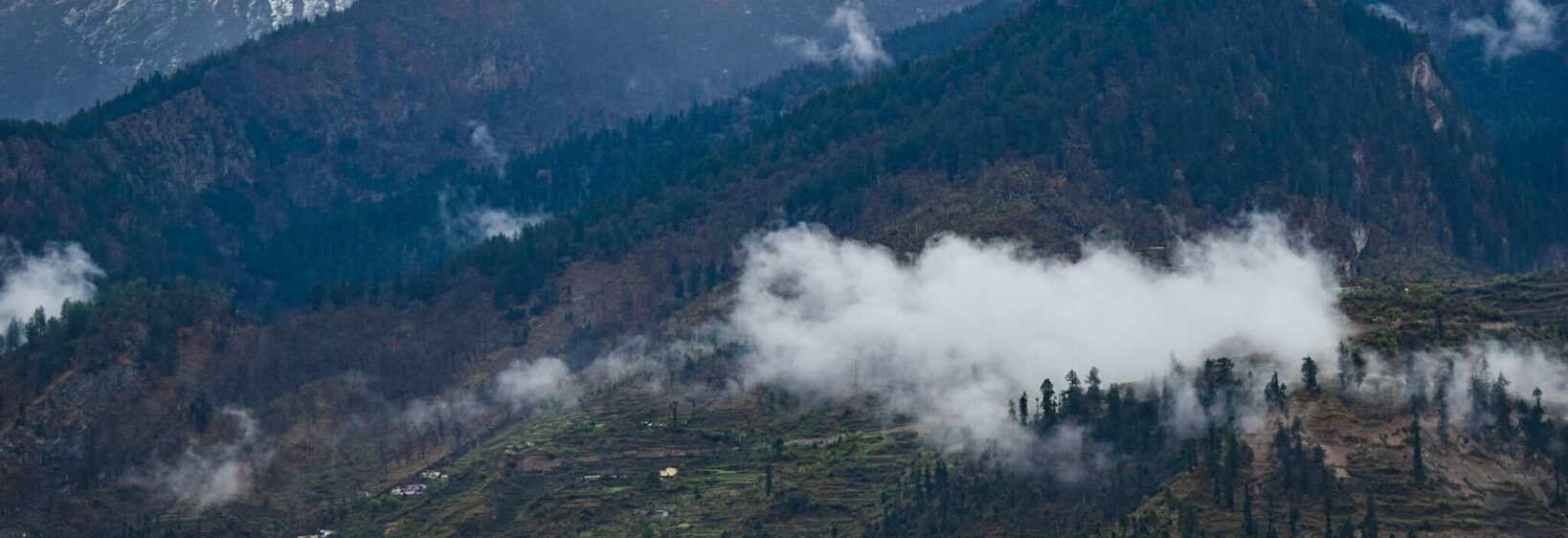
A Photo Tour Through The Laxman Jhula And Ram Jhula Markets
The markets around Laxman Jhula and Ram Jhula offer a lively visual record of Rishikesh. Narrow lanes lead from the Ganges to cafés, ashrams, temples, guesthouses, and small shops filled with textiles, prayer items, jewellery, books, and handmade souvenirs.
This photo tour is less about collecting famous viewpoints and more about observing everyday details. A painted sign, a shopkeeper arranging brass lamps, or a pilgrim carrying flowers can say as much about the town as the suspension bridges themselves.
The two riverfront areas have different moods, yet both are shaped by pilgrimage, yoga tourism, adventure travel, and local commerce. Bring a camera with a discreet strap, comfortable shoes, and enough time to walk slowly rather than rushing between picture spots.
Reading The Riverside Neighbourhood
Laxman Jhula has long been associated with dramatic river views and a compact bazaar atmosphere. Depending on current safety and access arrangements, the historic bridge itself may not be open for walking, so check local information before planning a crossing. The surrounding lanes still provide plenty of subjects, from temple entrances to rooftop views of the Himalayan foothills.
Ram Jhula connects a busy riverside district with important ashrams and pilgrimage routes. Its approaches are often filled with pedestrians, scooters, cows, porters, and visitors carrying shopping bags. This movement creates strong street photography opportunities, especially when framed against the blue-green water or the pale stone of the ghats.
Starting With The Market Details
Begin near the bridge approach and photograph at eye level. Incense packets, rudraksha malas, copper vessels, cotton scarves, and illustrated postcards make colourful foreground subjects. Ask before photographing vendors closely, particularly when a person is the main focus of the image.
The best market photographs often include layers. A hanging row of clothing can frame a passing pilgrim, while a shop doorway can create a natural border around a conversation. Use a moderate focal length if possible, as it allows you to keep some distance and preserve the relaxed character of the scene.
Temples, Ghats, And Everyday Rituals
The riverfront is a place of worship, so photography should remain observant rather than intrusive. Look for wider compositions showing bells, steps, lamps, and the river together. During quieter hours, soft light can reveal the texture of carved stone and faded paint without making the scene feel staged.
A respectful visit to another regional shrine can add context to a Uttarakhand-focused travel collection. The Bageshwar temple complex is a useful point of comparison, especially for its relationship between sacred architecture, local tradition, and everyday visitors. Across the state, temples function as living cultural spaces rather than simple monuments.
Choosing The Best Viewpoints
From the riverside, aim your lens upward to include bridge cables, hillside buildings, and forested slopes. From higher lanes and cafés, the Ganges becomes a strong horizontal element, while the crowded market below supplies scale. Early morning usually brings gentler contrast and fewer harsh reflections from shopfronts.
Late afternoon is useful for warm façades and long shadows. Blue hour can be especially effective around illuminated shrines and riverside steps, but take care on uneven lanes and avoid blocking pedestrian routes while setting up a tripod.
| Photo subject | Useful time | Composition idea | Courtesy reminder |
|---|---|---|---|
| Bridge and river | Early morning | Use cables as leading lines | Check access restrictions |
| Market stalls | Morning or late afternoon | Frame products with the shop entrance | Ask before close portraits |
| Temple details | Soft morning light | Include bells, texture, and negative space | Avoid disturbing worship |
| Riverside activity | Sunset or blue hour | Layer people, steps, and water | Keep equipment out of the walkway |
Moving Between Laxman Jhula And Ram Jhula
Walking between the two areas reveals how quickly the scenery changes. A busy lane may open onto a quiet ashram wall, then turn toward a cluster of chai stalls or a small shrine. Photographing this transition creates a stronger visual narrative than presenting only isolated attractions.
Keep your route flexible because market activity changes throughout the day. Monkeys are common in some lanes, and food should be kept secured. Traffic can also appear suddenly in narrow streets, so step aside before reviewing images or changing camera settings.
Practical Advice For A Better Photo Walk
A short preparation routine makes the outing more comfortable and helps protect the character of the place.
- Carry a compact camera or phone rather than conspicuous equipment.
- Keep spare batteries, a lens cloth, and a small waterproof pouch available.
- Wear shoes with reliable grip for steps, stone lanes, and uneven paths.
- Request permission for portraits and respect any no-photography signs.
- Save wider landscape images for quieter riverbanks and viewpoints.
Photographers should also be mindful of seasonal conditions. Monsoon rain can make steps slippery and affect river visibility, while winter mornings may begin with mist. Festival periods bring colour and energy, but they also create crowded conditions in which careful movement matters more than perfect framing.
Building A Visual Story Of Rishikesh
A memorable gallery should mix broad scenes with close details. Pair a bridge panorama with a photograph of prayer beads, a portrait of a tea seller with a quiet ghat, and a crowded lane with an empty temple corridor. This contrast gives the viewer a sense of place, rhythm, and human scale.
Add short captions describing the neighbourhood, time of day, and visual detail rather than making broad claims about spirituality or tradition. A sequence of ten thoughtful photographs can communicate more than dozens of hurried snapshots.
Use this route as a chance to notice Rishikesh beyond its postcard landmarks. Walk from the market to the river, pause for the changing light, and let local life guide the camera. Then share the finished photo story with readers who want to experience Uttarakhand through its streets, people, and sacred landscapes.