Auli Meadows Wildflowers: Best Season for Photography
Auli is widely known for snow-covered slopes and winter skiing, yet its alpine meadows take on a different character when the snow retreats. Green grass, scattered mountain flowers, dramatic Himalayan views, and clear ridgelines create excellent conditions for landscape and nature photography.
The best time for wildflowers is generally from July to September, when the monsoon brings moisture to the high pastures. Flowering intensity varies each year according to snowfall, rainfall, and temperature, so flexible planning is more useful than relying on a fixed calendar date.
A visit during the flowering season also offers a quieter view of Auli than the busy winter months. With careful timing, photographers can capture meadows glowing in soft light, distant peaks emerging through clouds, and local pastoral life around the slopes.
When Auli Meadows Turn Floral
The first strong flush of alpine colour usually appears after the winter snow has melted and the summer grass has become dense. By July, small seasonal flowers may be visible among the meadow plants, with the display often becoming richer during August and early September.
Depending on the year, visitors may see primula-like blooms, buttercups, balsams, anemones, and other Himalayan meadow flowers. The species and abundance can change across short distances, so walking slowly and scanning the grasslands is more rewarding than searching for one particular flower.
Choosing Light And Weather
Early morning is ideal for crisp mountain scenery, dew-covered petals, and gentle shadows. The first light can add warm colour to the ridges, while low-angle illumination helps separate individual flowers from the surrounding grass. A tripod is useful if the weather is calm and the trail allows a stable setup.
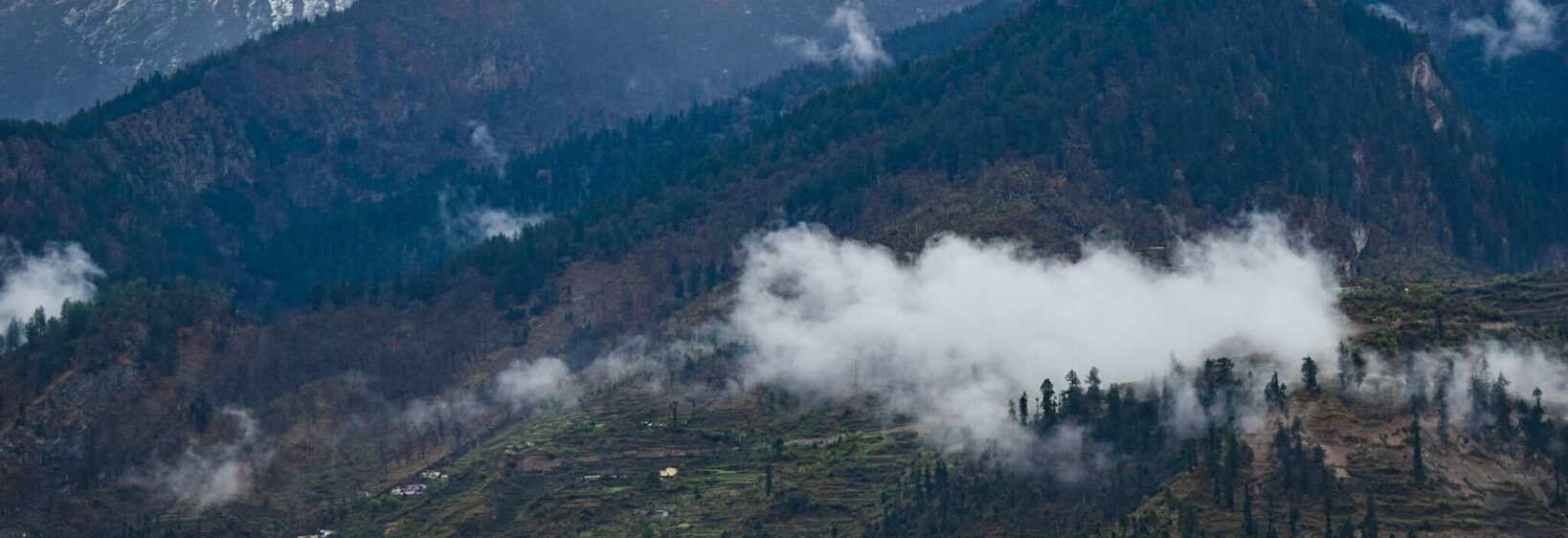
Late afternoon brings softer contrast and richer tones across the slopes. Monsoon clouds can hide the higher peaks, but they also create atmospheric photographs with layers of mist and moving light. Carry a rain cover for the camera, because showers can arrive quickly in the Garhwal Himalayas.
Comparing The Main Visiting Seasons
Each season gives Auli a distinct visual identity. The monsoon period is the strongest choice for wildflower photography, while spring and autumn are often better for clearer mountain views and comfortable walks.
Winter is primarily a snow destination rather than a flower destination. The following guide helps match the visit to a preferred photographic subject.
| Season | Meadow appearance | Photography strengths | Main consideration |
|---|---|---|---|
| April–May | Fresh green growth and early flowers | Clearer paths, broad landscapes, soft spring colour | Flowering may still be limited |
| June | Green slopes before peak monsoon | Balanced scenery and occasional blooms | Weather can change rapidly |
| July–September | Lush grass and the richest wildflower display | Close-ups, misty scenes, saturated colours | Rain, mud, and cloud cover |
| October–November | Drier golden meadows | Sharp views, warm grass, panoramic images | Most flowers have faded |
| December–March | Snow-covered slopes | Winter landscapes and ski photography | No visible meadow flowers |
For the best balance between flowers and usable conditions, late July to early September is a practical window. Photographers who prioritise clear views over blooms may prefer October, when the air is often drier and the surrounding peaks are more defined.
Reaching The Best Viewpoints
Auli is reached from Joshimath by road or ropeway, depending on operating conditions. The journey from Joshimath is scenic, and the upper meadow area offers open views toward Nanda Devi and other Himalayan ranges. Check local transport and ropeway updates before setting out, particularly during heavy rain.
The most photogenic scenes are not always beside the main arrival points. Short walks across the meadow edges can reveal isolated flower patches, shepherd trails, forest margins, and changing perspectives of the slopes. Stay on established paths where possible to avoid damaging fragile alpine vegetation.
Practical Photography And Walking Tips
A lightweight camera, wide-angle lens, and a short telephoto or macro lens cover most Auli subjects. A polarising filter can deepen distant tones in clear weather, while a fast shutter speed helps capture grass and flowers moving in the wind.
Nature photography around Uttarakhand becomes even more rewarding when visitors observe small details. The patient pace used on a Pangot birdwatching walk also works well in Auli: pause near meadow edges, listen for birds, and look beyond the obvious mountain panorama.
A Simple Field Checklist
- Visit between late July and early September for the strongest wildflower display.
- Carry waterproof layers, a camera rain cover, and shoes with reliable grip.
- Photograph flowers at ground level without stepping into dense patches.
- Use early morning or late afternoon light for softer colour and texture.
- Keep extra batteries protected from cold, damp, and sudden weather changes.
Responsible Visits To The Alpine Grasslands
Auli’s meadows are living pasturelands, not simply scenic backgrounds. Avoid picking flowers, disturbing grazing animals, or leaving food wrappers along the trails. Staying on existing tracks protects young plants and reduces erosion during the wet season.
Local weather knowledge is valuable, especially when clouds build around the ridges. Ask accommodation owners or guides about trail conditions, current road access, and safe walking routes. A responsible visit preserves the landscape while allowing photographers to document its seasonal character.
Plan your Auli journey around the flowering months, pack for changing Himalayan weather, and allow enough time for slow walks rather than rushed viewpoints. With patience and respectful travel, the meadows can provide memorable photographs of Uttarakhand’s wildflowers, clouds, forests, and mountain light.