A Guide To Gwaldam Lake And The Surrounding Tea Gardens
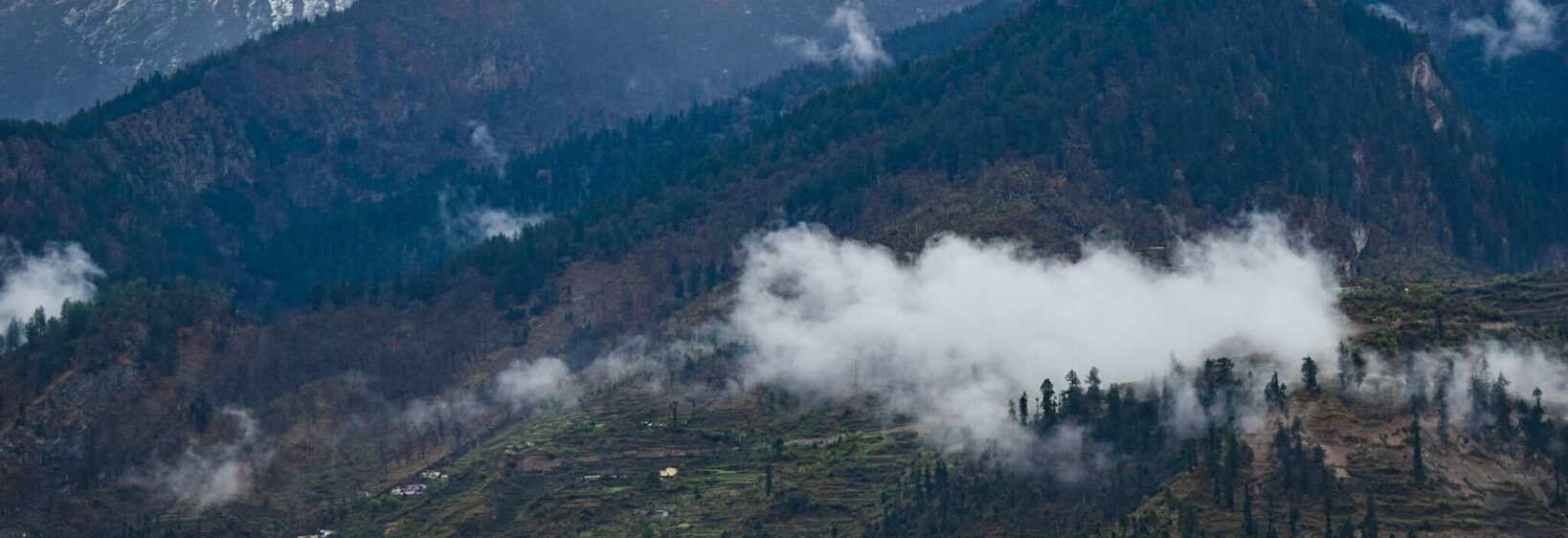
Gwaldam is a quiet hill settlement in Uttarakhand, positioned near the meeting point of the Chamoli and Bageshwar regions. Surrounded by forested slopes, orchard terraces, and wide Himalayan views, it offers a slower alternative to busier mountain destinations.
The small lake near Gwaldam adds to the area’s peaceful character. Its setting is best enjoyed gradually, with time for a lakeside walk, birdwatching, photography, and conversations with local residents. Nearby tea gardens bring a distinctive cultural and agricultural dimension to the visit.
This guide covers what to expect, when to go, how to explore responsibly, and which nearby attractions can be included in a longer Kumaon-Garhwal journey.
Reaching Gwaldam And Finding The Lake
Gwaldam is accessible by road from Kausani, Baijnath, Bageshwar, Karnaprayag, and Tharali. The journey includes winding mountain roads, so travel times can vary with weather, traffic, and road conditions. Shared jeeps and local buses serve some routes, while a private taxi is more practical for visitors carrying luggage or photography equipment.
The lake is a local attraction rather than a heavily commercialised sightseeing centre. Signboards and available facilities may be limited, so ask at your accommodation for the current route and local access conditions. A morning visit usually provides softer light, calmer surroundings, and a better chance of seeing birds around the water and nearby vegetation.
What To See Around The Water
Gwaldam Lake is suited to unhurried exploration. Walk along the accessible edges, observe reflections of the surrounding hills, and look for changing views as sunlight moves across the landscape. The area can be especially attractive after the monsoon, when the vegetation is fresh and the mountain air is clear.
Visitors should avoid treating the lake as a picnic ground for disposable packaging or loud gatherings. Carry drinking water, keep food waste secure, and follow any local instructions about boating, swimming, or restricted areas. Conditions around small mountain lakes can change quickly, particularly during rain.
Walking Through The Tea Gardens
The tea gardens around Gwaldam are among the region’s most unusual attractions. Neatly arranged tea bushes spread across gentle slopes, with forest and distant ridgelines forming a scenic backdrop. The gardens also reveal how local livelihoods combine farming, seasonal labour, and tourism.
A guided walk is preferable because many plantation paths cross working land. Ask before entering, avoid stepping between rows, and do not pick leaves unless invited. Depending on the season, you may see pruning, new growth, leaf collection, or processing-related activity. The visual rhythm of the bushes, workers, and mountain landscape makes this an excellent setting for landscape and documentary photography.
Best Seasons For A Visit
Spring brings pleasant temperatures, flowering trees, and clear views on many days. Summer is also comfortable compared with the plains, although afternoons can become sunny. The monsoon produces lush scenery but may bring slippery trails, landslides, and transport delays.
Autumn is widely appreciated for crisp skies and Himalayan panoramas, while winter offers a quiet atmosphere and cooler mornings. Tea-related activity depends on the agricultural calendar, so travellers specifically interested in plantation work should check locally before planning their dates.
| Experience | What To Expect | Useful Preparation |
|---|---|---|
| Lakeside walk | Quiet views, changing light, birdlife | Walking shoes and water |
| Tea garden visit | Plantation scenery and local work | Permission or a local guide |
| Village exploration | Homes, farms, and mountain culture | Respectful photography |
| Viewpoint stops | Broad ridgeline and valley scenes | Warm layer and sun protection |
Local Culture And Nearby Places
Gwaldam’s appeal lies partly in its everyday life. Small shrines, village paths, traditional homes, and conversations in local languages offer a more grounded experience than a quick stop at a viewpoint. Visitors should dress modestly near religious places and ask permission before photographing people, homes, or workers.
The town can be included in a wider Uttarakhand itinerary. Travellers interested in historic architecture may add this Vijaypur Fort guide to their planning. Kausani, Baijnath, Bageshwar, and the routes toward Chamoli also provide opportunities for temples, mountain photography, and cultural visits.
Planning A Comfortable Day
Accommodation in and around Gwaldam ranges from simple guesthouses to small hotels and homestays. Book ahead during holidays, and confirm whether meals, hot water, parking, and mobile connectivity are available. Carry cash because card and digital payment services may be unreliable in remote areas.
A flexible schedule works best. Allow time for road delays, a slow plantation walk, and weather changes rather than packing too many attractions into one day. A local driver or guide can provide practical help with routes, village etiquette, and seasonal conditions.
Responsible Ways To Explore
- Use refillable bottles and take all packaging back with you.
- Follow plantation rules and never enter private farmland without permission.
- Hire local guides, drivers, and homestays where possible.
- Keep noise low near the lake, forests, temples, and villages.
- Carry a light jacket, rain protection, sturdy shoes, sunscreen, and basic medicines.
Gwaldam rewards travellers who value quiet scenery, local contact, and unhurried movement. Add the lake and tea gardens to your Uttarakhand route, then continue exploring the region’s cultural and spiritual destinations, including these Rishikesh spiritual sites. Pack thoughtfully, travel respectfully, and preserve time for the landscapes between each stop.