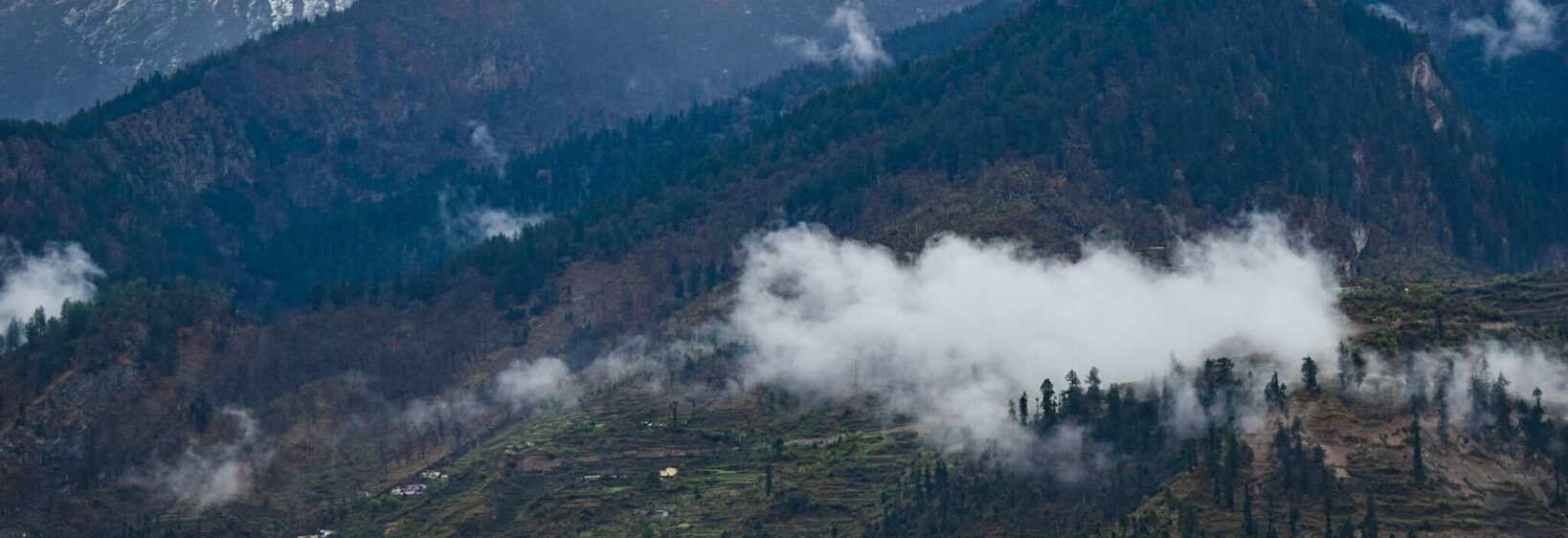
The Char Dham Yatra: Planning Your Holy Journey
The Char Dham Yatra through Uttarakhand connects four revered Himalayan shrines: Yamunotri, Gangotri, Kedarnath, and Badrinath. For Hindu pilgrims, this sacred circuit is a deeply meaningful journey through mountain landscapes, ancient temples, river valleys, and living traditions.
The route also offers a close view of Garhwali culture, village life, local food, and the changing scenery of the Himalayas. A successful pilgrimage depends on thoughtful preparation because high altitudes, winding roads, unpredictable weather, and heavy seasonal crowds can make travel demanding.
Many visitors begin in Haridwar or Rishikesh, where they take part in prayer, meditation, and Ganga ceremonies before heading into the mountains. Exploring these Rishikesh spiritual sites can create a peaceful beginning to the pilgrimage.
Understanding The Four Sacred Shrines
Yamunotri is dedicated to Goddess Yamuna and lies in a narrow valley surrounded by dramatic peaks. Pilgrims usually travel by road to Janki Chatti and complete the final stretch on foot, by pony, or in a palanquin. The hot springs near the temple are also an important part of the traditional visit.
Gangotri, associated with the descent of the River Ganga, is more accessible by road than Yamunotri. Visitors often spend time beside the Bhagirathi River and visit nearby places such as Harsil and Dharali, which are known for apple orchards, forests, and quiet mountain scenery.
Kedarnath is one of the most revered Shiva temples in India. The trek from Gaurikund is physically demanding, although helicopter services, ponies, and palanquins may be available under regulated arrangements. Badrinath, dedicated to Lord Vishnu, is generally easier to reach by road and is often visited along with Mana Village and the scenic Alaknanda Valley.
Choosing The Best Season
The pilgrimage season usually begins during the spring or early summer after the temple opening ceremonies and continues until the shrines close before winter. Exact dates change each year according to religious calendars and local conditions, so check official announcements before booking transport or accommodation.
May, June, September, and early October are commonly preferred months. The pre-monsoon period can be busy, while September often brings clearer skies after the rains. July and August may involve landslides, road closures, slippery trails, and delays, particularly in areas affected by heavy monsoon rainfall.
| Shrine | Main Access Point | Typical Final Journey | Planning Consideration |
|---|---|---|---|
| Yamunotri | Janki Chatti | Trek or assisted ride | Allow time for a steep mountain route |
| Gangotri | Road-accessible town | Short local walks | Prepare for cold evenings and altitude |
| Kedarnath | Gaurikund | Long trek or regulated alternatives | Start early and plan a rest day |
| Badrinath | Road-accessible town | Short walk to temple | Expect crowds during peak season |
Organising Registration And Transport
Pilgrims generally need to complete Char Dham registration before entering the pilgrimage route. Registration helps authorities manage visitor numbers, provide emergency assistance, and monitor movement during a busy season. Carry identification, confirmation details, and several digital and printed copies of important documents.
A private car with an experienced mountain driver offers flexibility, while shared taxis and state transport services can reduce costs. Helicopter packages may shorten the journey but should be booked only through authorised operators. Avoid making a tightly packed itinerary, since traffic, weather, road repairs, and temple queues can change travel times.
A traditional route often follows Yamunotri, Gangotri, Kedarnath, and Badrinath, though travellers may choose a different order based on road conditions and available packages. Haridwar, Rishikesh, or Dehradun can serve as practical starting points for transport and overnight preparation.
Preparing For Altitude And Weather
The elevation rises quickly across the circuit, especially around Kedarnath and Badrinath. Walk slowly, drink water regularly, eat light meals, and allow your body time to adjust. Headaches, dizziness, nausea, unusual tiredness, or breathlessness should be taken seriously. Stop ascending and seek medical assistance if symptoms become severe.
Pack warm layers even for a summer journey because mornings and nights can be cold. A waterproof jacket, sturdy walking shoes, woollen socks, sun protection, gloves, a torch, personal medicines, and a reusable water bottle are useful essentials. Keep a small first-aid kit and carry snacks for long road journeys or trekking sections.
Respecting Local Customs And Nature
Dress modestly at temples and follow instructions regarding photography, footwear, queues, and entry. Some shrines have restrictions on cameras or mobile phones. Speak respectfully with priests, porters, drivers, shopkeepers, and residents, remembering that these mountain settlements are homes as well as pilgrimage centres.
Carry waste back to designated bins, avoid single-use plastic where possible, and do not disturb rivers, springs, wildlife, or fragile trails. Choose locally owned guesthouses and eat at responsible establishments to support families whose livelihoods depend on seasonal tourism.
Practical Packing And Booking Priorities
A pilgrimage becomes easier when important arrangements are completed before departure. Accommodation in popular gateways can fill quickly during school holidays and festival periods, so reserve rooms with clear cancellation terms and confirm road access shortly before travel.
Use this checklist while preparing:
- Complete pilgrim registration and keep identification documents accessible.
- Book reliable transport, accommodation, and any permitted helicopter or pony service in advance.
- Carry layered clothing, waterproof footwear, medicines, sunscreen, and basic emergency supplies.
- Keep cash for remote areas, while retaining digital payment options where network coverage allows.
- Share your itinerary with family members and save emergency contacts offline.
The Char Dham route is a spiritual journey shaped by faith, endurance, and the grandeur of Uttarakhand. Plan with patience, leave room for changing conditions, and travel in a way that protects the mountains and honours local traditions. Begin your pilgrimage preparations early, verify current travel rules, and set out with time for both darshan and quiet reflection.