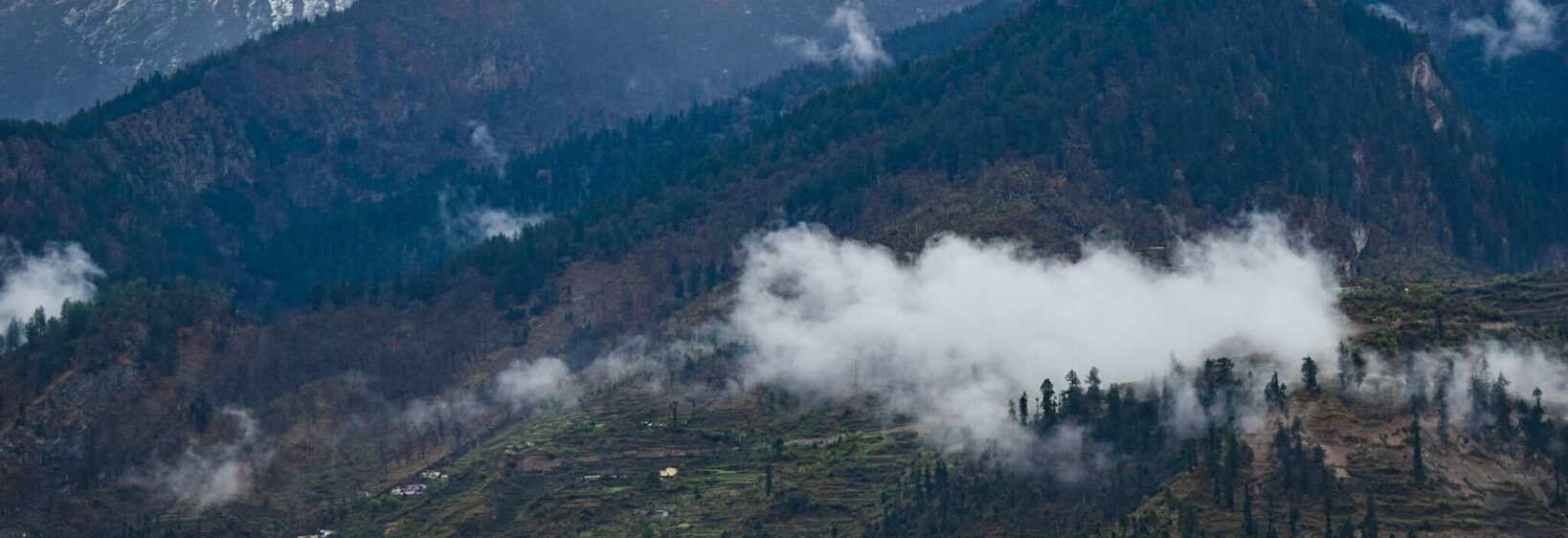
Nandprayag Confluence: A Sacred River Photospot
Where the Alaknanda River meets the Nandakini, the landscape gathers the character of Garhwal in one memorable frame. Nandprayag, in Chamoli district, is one of Uttarakhand’s Panch Prayag, the five revered river confluences associated with pilgrimage, mythology, and mountain travel.
The meeting of the rivers is modest in scale but powerful in atmosphere. Green hills rise around the water, traditional homes cling to slopes, and changing sunlight turns the river surface from silver to deep blue. For photographers, this creates a rewarding destination beyond the better-known hill stations.
The town also offers a slower view of Uttarakhand. A short visit can include riverside images, temple architecture, village details, and wide mountain scenes. Travel notes and visual stories from Uttarakhand travel stories can add useful context when planning a wider journey through the region.
Why Nandprayag Matters
Nandprayag is traditionally identified as the meeting point of the Alaknanda and Nandakini rivers. The confluence is part of the sacred geography of the Alaknanda Valley, where rivers, shrines, and mountain routes have shaped local life for centuries.
Pilgrims often pause here while travelling towards Badrinath and other Himalayan destinations. The riverside setting encourages quiet observation rather than hurried sightseeing. Early morning bells, flowing water, and distant ridgelines give the place a peaceful visual rhythm.
Reading The Confluence Landscape
The best compositions usually begin with the meeting of the two rivers. Look for differences in current, colour, and texture, then include the surrounding slopes to show how dramatically the water is enclosed by the valley.
A wide-angle lens works well for sweeping scenery, while a telephoto lens can isolate bridges, temple details, prayer flags, or patterns in the rapids. After rainfall, the rivers may appear fuller and more forceful, although slippery paths and unstable edges require extra care.
| Photography focus | Useful approach | Ideal condition |
|---|---|---|
| River meeting point | Use a low viewpoint and leading lines | Clear morning |
| Hills and valley | Include foreground rocks or railings | Soft early light |
| Temple and cultural details | Use a moderate lens respectfully | Quiet visiting hours |
| Long-exposure water | Carry a tripod and avoid wet edges | Overcast or late afternoon |
Best Light And Viewpoints
Morning is especially attractive for photography because the valley often holds soft light before the sun reaches the slopes. The water can look calm, and the cooler tones suit images of the confluence, nearby bridges, and forested hills.
Late afternoon brings warmer colour to the buildings and ridges. Rather than staying in one place, explore safe public viewpoints around the town and change your height slightly. A small shift in position can separate the two rivers more clearly or place a temple roof against the mountains.
A Photo Walk Through Town
Begin near the riverside and spend time observing the flow before taking photographs. Look for reflections, foam trails, smooth stones, and the contrast between moving water and still mountain walls. These smaller details help create a varied travel photo collection.
Continue through the nearby streets for images of wooden balconies, painted doors, local shops, and everyday life. Ask permission before photographing residents, shopkeepers, or religious ceremonies. A respectful approach often produces more natural interactions than photographing from a distance without notice.
Culture And Responsible Visiting
The confluence is a sacred place, so visitors should keep voices low around shrines and avoid treating ritual spaces as casual backdrops. Dress modestly, follow local instructions, and do not step into restricted areas for a better angle.
Keep plastic, food wrappers, and discarded packaging away from the river. Avoid climbing unstable rocks, standing on narrow ledges, or entering fast water. The riverbank is visually beautiful but can become hazardous during monsoon weather and sudden changes in water level.
Plan A Simple Day Trip
Nandprayag can be included in a broader Chamoli itinerary linking destinations such as Karnaprayag, Gopeshwar, Joshimath, and Rudraprayag. Road conditions, seasonal closures, and public transport schedules can change, so allow flexible travel time rather than planning every stop too tightly.
If you are extending the journey towards other Uttarakhand attractions, a short walking destination such as the Tiffin Top trek guide offers a useful contrast between a river confluence and a forested hill viewpoint.
For a comfortable photography visit, keep these points in mind:
- Carry a polarising filter, spare batteries, and a small waterproof cover.
- Visit during daylight and check weather conditions before leaving.
- Use sturdy footwear for uneven paths near the river.
- Seek permission before photographing people, ceremonies, or private property.
- Support local cafés, guides, and accommodation providers where possible.
Nandprayag rewards patience. Spend time watching the currents, listening to the river, and noticing how light moves across the valley before filling your memory card. Add this sacred meeting of waters to your Uttarakhand route and capture it with care, respect, and a slower eye.