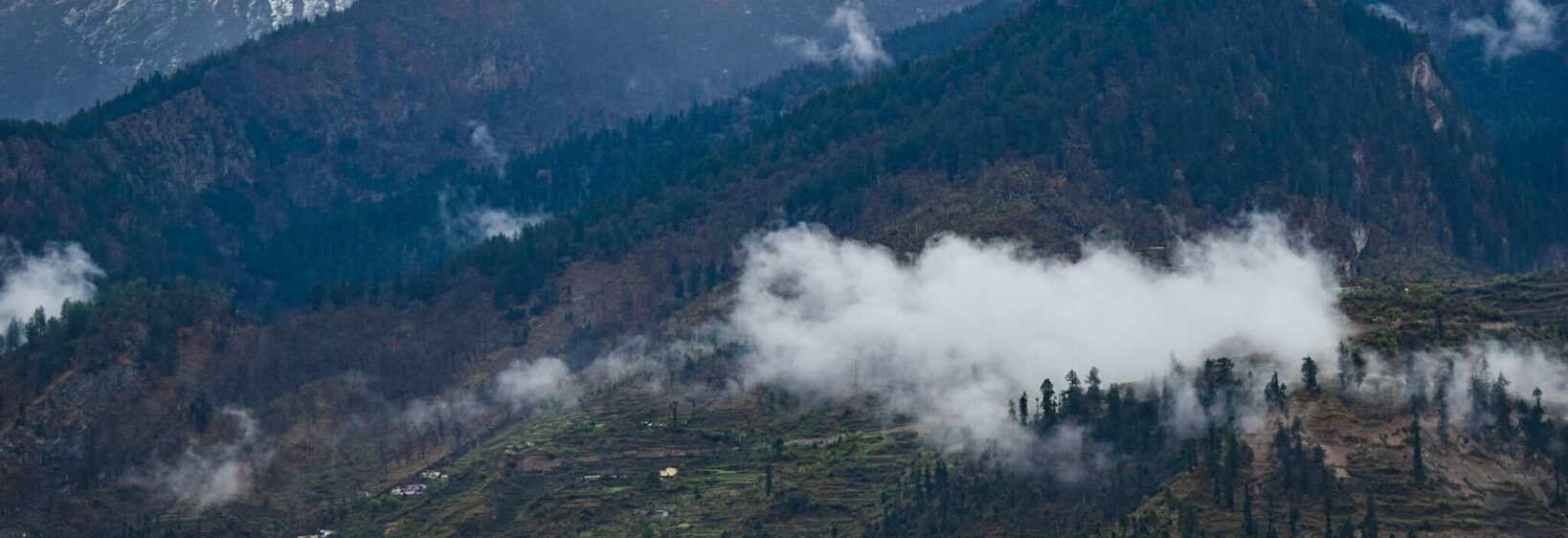
Photographing the sunset at Bhimtal Lake
Bhimtal Lake becomes especially atmospheric in the final hour of daylight. The Kumaoni hills turn blue and violet, while the water reflects changing bands of gold, pink, and amber. Boats, wooded slopes, temple silhouettes, and lakeside buildings can all become part of a memorable Uttarakhand travel photograph.
A successful sunset image depends less on expensive equipment than on timing and observation. Arrive early, study how the light falls across the lake, and look for a foreground that gives the scene depth. The quiet transition from bright afternoon to evening often offers more variety than a single frame taken when the sun touches the horizon.
For a broader collection of regional travel imagery and destination stories, browse the Uttarakhand photo gallery before planning your route. It can help you notice visual details that are easy to miss when travelling quickly through the hills.
Read the evening light
The most dramatic colour usually appears shortly before sunset and continues for several minutes after the sun has disappeared. Direct sunlight may create strong highlights on the lake, but the afterglow softens the landscape and brings out layers in the surrounding ridges. Watch the clouds, as thin formations can catch warm colour without blocking the whole sky.
The lake surface may be calm in sheltered areas and textured near the shore. Use those differences creatively. A smooth reflection creates symmetry, while small ripples add movement and prevent the image from appearing flat. Exposure can change quickly, so check the sky and the darker foreground separately rather than relying entirely on the camera’s automatic reading.
Choose a thoughtful lakeside viewpoint
The main lakeside road offers easy access and a lively sense of place, but quieter viewpoints may provide cleaner compositions. Look for an open section of shore, a gentle rise, or a position where the far hills form a natural frame. A foreground branch, railing, boat, or stone edge can guide the eye towards the glowing water.
Avoid standing in a roadway or blocking pedestrians while waiting for the ideal moment. If you are photographing from a boat, follow the operator’s instructions and keep equipment secure. The best viewpoint is one that gives you a clear line of sight while allowing you to work patiently and safely.
Balance camera settings with the scene
Sunset photography at Bhimtal benefits from simple, controlled settings. A low ISO preserves detail in the darkening hills, while a moderate aperture keeps the landscape recognisable from foreground to background. A tripod is useful after the light fades, although a fast shutter speed may be preferable when boats or people are moving.
Shoot in RAW if your camera supports it, especially when the sky is much brighter than the shoreline. Bracketing several exposures can also protect against losing detail in either the highlights or shadows. The following starting points can be adjusted according to weather, lens, and available light.
| Scene or creative aim | Starting setting | Useful adjustment |
|---|---|---|
| Bright sunset with visible hills | ISO 100–200, f/8, 1/125 sec | Reduce exposure slightly if the sky is washed out |
| Rich colour in the afterglow | ISO 100–400, f/8, 1/30 sec | Use a tripod or stabilise the camera |
| Silhouette of boats or trees | ISO 100–200, f/8, 1/250 sec | Meter on the bright sky |
| Reflections with gentle movement | ISO 200–400, f/5.6–f/8, 1/60 sec | Keep the horizon level |
| Low-light blue hour | ISO 400–800, f/5.6, 1/15 sec | Use a tripod and a two-second timer |
Give the photograph a sense of place
A sunset image becomes more meaningful when it shows Bhimtal rather than an anonymous body of water. Include a small boat, lakeside activity, distant rooftops, or the outline of the surrounding forest. These details explain where the photograph was made and connect the landscape with everyday life in the Kumaon region.
Try both horizontal and vertical compositions. A wide frame suits the layered hills and open sky, while a vertical image can emphasise reflections or a narrow strip of glowing water. Leave enough space around the sun or brightest cloud so the image feels calm rather than crowded.
Prepare before the colours peak
Arriving 30 to 45 minutes early gives you time to choose a position, protect your gear, and make test exposures. Keep a lens cloth nearby because hill weather can bring mist or fine moisture. Batteries drain faster in cool conditions, so carry a charged spare and avoid changing lenses unnecessarily beside the water.
- Check the sunset time and arrive before the golden hour.
- Carry a tripod, spare battery, lens cloth, and small torch.
- Use a polarising filter carefully, since it can reduce reflections you may want to preserve.
- Keep a safe distance from the water’s edge and secure bags against wind or uneven ground.
A wide-angle lens is useful for sky and landscape, while a short telephoto can compress the distant ridges and isolate a boat or temple detail. If travelling light, a standard zoom remains versatile enough for most lakeside compositions.
Preserve the evening responsibly
Bhimtal is more than a scenic background. Local residents, boat operators, visitors, and wildlife share the shoreline, so considerate photography matters. Ask permission before making close portraits, avoid entering restricted areas, and keep voices low when the evening becomes quiet. Do not leave packaging, food waste, or damaged accessories behind.
After the shoot, select a small group of images that show different stages of the light rather than posting many nearly identical frames. Correct the horizon, recover highlight detail, and keep colour adjustments believable. A carefully edited photograph can preserve the peaceful character of the lake without making the sunset look artificial.
Pack your camera before darkness settles, then take a final look across the water as the hills turn deep blue. Share the finished images with clear location details and respectful captions, helping other travellers appreciate Bhimtal’s landscape while encouraging responsible visits.