The Living Root Bridges of Uttarakhand: A Rare Sight
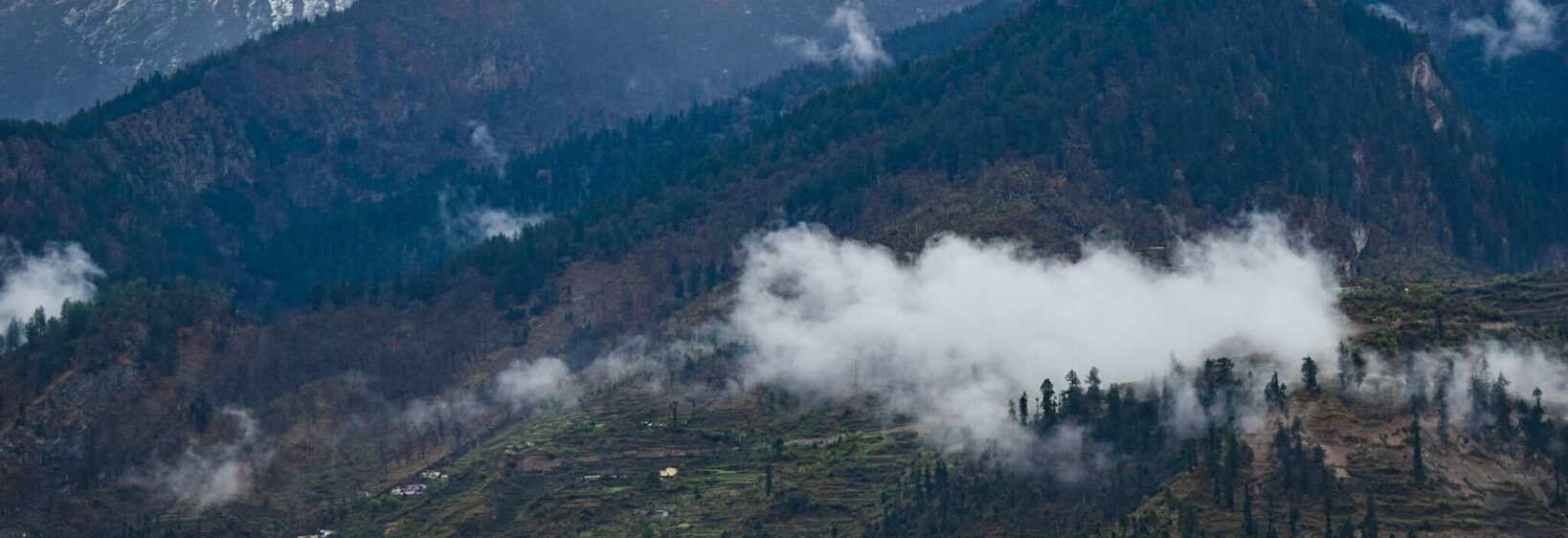
Uttarakhand is widely known for snow-covered peaks, sacred rivers, alpine meadows, and old hill settlements. Yet some of its most fascinating attractions are quieter: footpaths shaped by villagers, stone water channels, traditional wooden homes, and bridges made with living vegetation.
Living root bridges are among the rarest examples of Himalayan ingenuity. Instead of relying only on cut timber or steel, communities guide, weave, and strengthen roots and branches until they form a natural crossing. The result is a structure that changes with the landscape and may become stronger as it grows.
These bridges should not be confused with the famous dense root bridges of Meghalaya, where the tradition is more widespread and documented. In Uttarakhand, similar natural crossings are unusual, locally known, and often found away from regular tourist circuits. Their scarcity makes a respectful visit especially meaningful.
A Bridge That Grows With The Forest
A living root bridge is created by training flexible roots, creepers, or young branches across a narrow stream, ravine, or mountain trail. Over time, the plant material thickens and intertwines with supporting stones, soil, and wooden guides. Local knowledge determines how the structure is shaped and maintained.
Unlike a conventional bridge, this kind of crossing is part of a living ecosystem. Roots continue to anchor the soil, leaves provide shade, and fallen organic matter helps retain moisture. The bridge may appear modest, but it represents years of patient care rather than a single construction project.
Where The Himalayan Landscape Shapes The Tradition
Uttarakhand’s steep valleys and monsoon-fed streams create a need for small, reliable crossings. In remote settlements, people have traditionally used locally available materials such as timber, stone, bamboo-like vegetation, and strong mountain plants. A root-supported pathway can be useful where transporting manufactured materials is expensive or impractical.
Exact locations are not always clearly marked on maps, and local names may differ from one village to another. Some reported examples may be carefully trained natural crossings, while others are ordinary footbridges strengthened with living plants. Speaking with residents is the best way to understand what visitors are seeing.
What Makes The Experience Special
Reaching a living root bridge often involves a walk through oak forest, terraced fields, or a narrow valley. The journey can be as memorable as the crossing itself, with birdsong, rushing water, moss-covered rocks, and distant views of ridges adding to the atmosphere.
The scene is particularly attractive for photography. Close-up images can show the texture of roots and bark, while wider compositions place the bridge within its forest setting. Early morning light is gentle and usually brings out the green tones without making the shadows too harsh.
| Feature | Living Root Crossing | Conventional Footbridge |
|---|---|---|
| Main material | Living roots, branches, soil, and stone | Timber, concrete, steel, or metal |
| Construction | Guided and maintained over years | Built within a defined project period |
| Appearance | Organic, irregular, and changing | Fixed and engineered |
| Environmental role | Can support soil and vegetation | May require more manufactured materials |
| Visitor concern | Fragile roots and village pathways | Usually designed for heavier public use |
Best Season For A Visit
The most comfortable period for exploring remote valleys is generally from spring to early summer and again after the monsoon, depending on altitude. Forest paths can be slippery during heavy rain, while winter may bring snow or icy conditions in higher areas.
Visitors planning a wider Himalayan itinerary can also review this guide to Valley of Flowers trekking, especially when combining nature walks with village exploration. Weather changes quickly in the mountains, so a flexible schedule is essential.
Travel Planning And Local Etiquette
A root bridge may not be a formal attraction with a ticket counter, railings, or signboards. Arrange a local guide where possible, confirm the current trail condition, and avoid relying on old online photographs. Mobile connectivity can be weak, and transport may stop several kilometres before the walking route.
Responsible visitors should follow a few simple practices:
- Ask permission before photographing villagers, homes, farms, or religious spaces.
- Walk lightly and avoid pulling, climbing on, or cutting any living part of the bridge.
- Carry waste back and use refillable water bottles where safe drinking water is available.
- Stay on established paths, particularly near cultivated land and forest edges.
- Choose locally owned guides, homestays, taxis, and food services to support the community.
A Quiet Symbol Of Mountain Knowledge
The living root bridges of Uttarakhand reveal a different side of tourism. They are less about dramatic infrastructure and more about cooperation between people, plants, water, and time. Their value lies in the knowledge required to maintain them and in the relationship they express with the surrounding landscape.
Because these crossings are rare and vulnerable, visitors should treat them as living heritage rather than adventure props. A careful journey can help preserve local stories, encourage low-impact travel, and bring attention to traditions that might otherwise remain unseen.
Add this unusual experience to a thoughtfully planned Uttarakhand route, travel with patience, and record the landscape without disturbing it. The bridge may be small, but the story it carries reaches far beyond the stream beneath it.