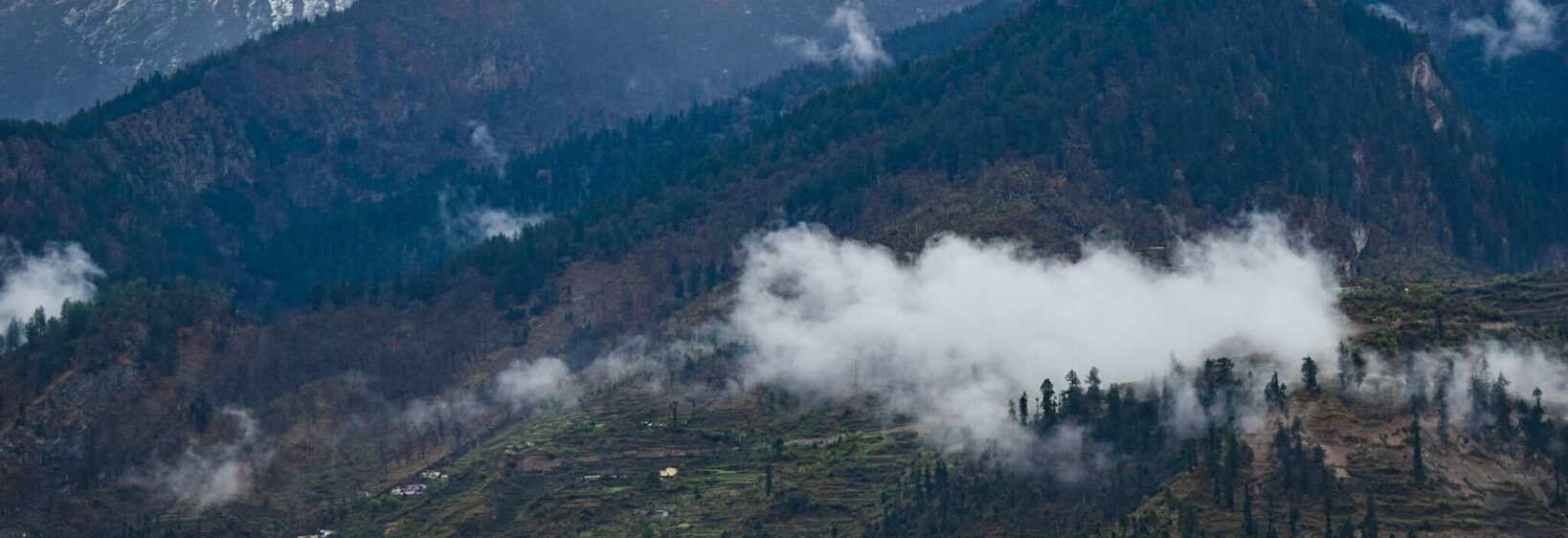
Trekking to the Pindari Glacier: A Complete Itinerary
The Pindari Glacier trek is one of Uttarakhand’s most rewarding Himalayan journeys, combining forest trails, remote villages, hanging bridges, alpine meadows, and dramatic views of the Kumaon mountains. The trail leads into the Pindar Valley, where the glacier descends from the high peaks of Nanda Devi Sanctuary and Pindari Range.
This route is suitable for trekkers with reasonable fitness and some experience walking for several hours at altitude. It is less technical than a mountaineering expedition, but changing weather, steep sections, and basic accommodation make preparation essential.
The traditional trek begins near Kharkiya, reached through Bageshwar and Saung, and passes through Khati, Dwali, and Phurkia before reaching the glacier. Allow seven days for a comfortable round trip, including travel from Kathgodam or another major transport point.
Best Season And Route Overview
The best months for this Himalayan trek are April to June and September to November. Spring brings rhododendron blooms, while autumn usually offers clearer skies and excellent mountain visibility. The monsoon season can make the trail slippery and increase the risk of landslides, so July and August are generally avoided.
Most itineraries start with an overnight journey to Bageshwar or Loharkhet, followed by a road transfer to Kharkiya. The walking distance from Kharkiya to Pindari Glacier and back is approximately 40 kilometres, although the exact distance varies with the glacier viewpoint and trail conditions.
| Day | Route | Approx. walking time | Overnight stay |
|---|---|---|---|
| 1 | Kathgodam to Loharkhet or Kharkiya | Road journey | Loharkhet or Kharkiya |
| 2 | Kharkiya to Khati | 4–5 hours | Khati village |
| 3 | Khati to Dwali | 5–6 hours | Dwali |
| 4 | Dwali to Phurkia | 3–4 hours | Phurkia |
| 5 | Phurkia to Pindari Glacier and return | 7–9 hours | Phurkia |
| 6 | Phurkia to Khati | 7–8 hours | Khati |
| 7 | Khati to Kharkiya and onward travel | 4–5 hours plus driving | Bageshwar or onward |
Reaching The Trailhead
From Kathgodam, travel by road towards Bageshwar, Kapkot, and Loharkhet. Shared jeeps and buses may be available, but schedules can be irregular, so a reserved vehicle is more reliable for groups carrying trekking equipment. The road journey is scenic but lengthy, with winding mountain sections.
Many travellers approach the region through Kumaon, while those arriving from Garhwal can connect through Rishikesh and Rudraprayag. A stop to see the Alaknanda Mandakini confluence adds cultural and geographical interest before crossing towards the Kumaon Himalaya.
Kharkiya is the practical roadhead for the trek. Porters, guides, homestays, and basic supplies can usually be arranged there, although it is wise to organise key services in advance during the busy summer and autumn seasons.
Day-Wise Trekking Itinerary
The first walking day takes you from Kharkiya to Khati, the largest village in the Pindar Valley. The trail passes through oak and rhododendron forest, with moderate climbs and several viewpoints over the valley. Khati homestays provide simple rooms, local meals, and an opportunity to experience village life.
From Khati, continue to Dwali along a forested path beside the Pindar River. Wooden bridges, waterfalls, and narrow sections make this part particularly scenic. After Dwali, the trail climbs gradually to Phurkia, a smaller settlement surrounded by high mountain slopes. Keep this day relaxed so that your body adjusts before the glacier excursion.
Glacier Day And Return Journey
Start early from Phurkia for the most demanding day of the itinerary. The trail leads through open landscapes and rocky terrain towards the Pindari Glacier Zero Point, located at roughly 3,660 metres. The final approach can be cold and windy, even when lower valleys feel warm.
Spend time taking photographs from a safe distance and avoid walking onto unstable ice, crevasses, or restricted areas. After enjoying views of the glacier and surrounding peaks, return to Phurkia by the same route. The long descent requires patience, especially when loose stones and wet sections make footing uncertain.
The return journey generally retraces the route through Dwali and Khati. Some experienced trekkers combine the Phurkia-to-Khati section into one long day, but an extra night is more comfortable and reduces fatigue. From Kharkiya, arrange transport towards Bageshwar, Kathgodam, or your next Uttarakhand destination.
Accommodation, Food, And Local Culture
Accommodation along the Pindari Glacier trail consists mainly of village homestays, forest rest houses, guesthouses, and seasonal trekkers’ huts. Facilities are basic, with limited electricity and hot water. Carry a sleeping bag liner, headlamp, quick-drying clothes, and personal toiletries.
Meals usually include rice, dal, vegetables, roti, noodles, and tea. Carry high-energy snacks such as nuts, dry fruit, chocolate, and electrolyte sachets. Supporting local homestays and hiring residents as guides or porters helps sustain communities that depend on seasonal tourism.
The trek also offers insight into Kumaoni customs, traditional architecture, farming practices, and mountain hospitality. Ask permission before photographing people, homes, temples, or private ceremonies, and keep noise low in villages and forest areas.
Safety And Packing Essentials
Altitude sickness can occur even on a moderate trekking route. Walk slowly, drink water regularly, avoid alcohol, and report symptoms such as persistent headache, nausea, dizziness, or unusual breathlessness. Anyone feeling seriously unwell should descend rather than trying to continue.
Recommended preparations include:
- Sturdy trekking shoes with firm grip and waterproof protection.
- Layered clothing, thermal wear, gloves, a woollen cap, and a rain jacket.
- Sun protection, a reusable water bottle, personal medicines, and a first-aid kit.
- Offline maps, power banks, identity documents, cash, and a whistle.
- A local guide or registered trekking team for weather updates and route support.
Check weather forecasts before leaving, register with local authorities where required, and carry all waste back to designated disposal points. Mobile coverage may be weak or unavailable, so do not depend entirely on online navigation or digital payments.
Responsible Planning For The Himalaya
A successful glacier trek depends on sensible timing and realistic daily distances. Avoid overpacking, but do not compromise on warm clothing or rain protection. Confirm road conditions, accommodation, guide availability, and return transport before setting out, particularly outside the peak travel months.
The Pindar Valley is ecologically sensitive. Stay on marked trails, do not pick flowers, avoid single-use plastic, and keep streams free from soap and waste. Respect local beliefs around temples and sacred landscapes, and follow instructions from forest staff and village committees.
For a memorable journey, combine careful preparation with a flexible schedule. Begin your trek with a registered local guide, travel responsibly through the villages, and preserve the landscapes that make the Pindari Glacier route one of Uttarakhand’s finest mountain experiences.