Photographing the Wooden Temples of the Jageshwar Forest
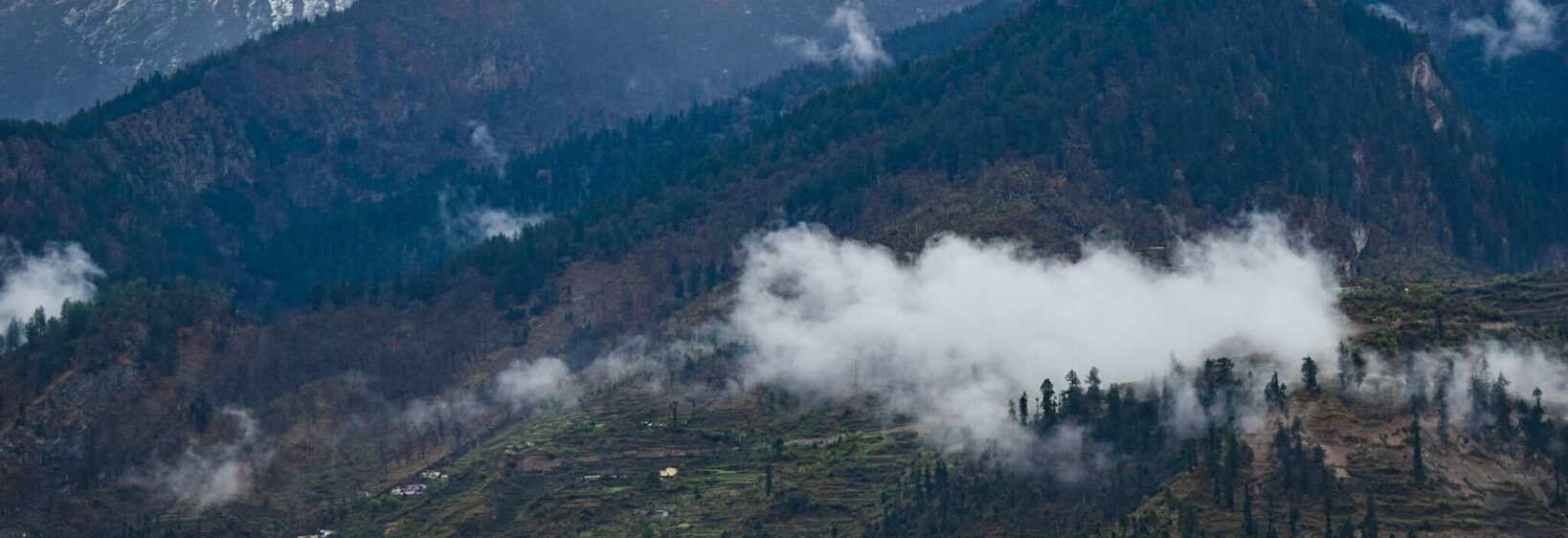
Jageshwar, tucked among the cedar forests of Kumaon, is one of Uttarakhand’s most atmospheric heritage sites. Its stone shrines, timber details, moss-covered surfaces, and mountain light create a photographic experience that feels quieter and more intimate than many popular pilgrimage destinations.
The temple complex is associated with Lord Shiva and includes ancient sanctuaries built in the distinctive Katyuri style. Although stone forms the main structure of many shrines, carved wooden doors, beams, roof elements, and nearby traditional buildings add warmth and texture to the forest setting.
A successful photo essay here depends on patience. The best images often come from observing how cedar branches frame a spire, how incense smoke moves through a doorway, or how soft morning light reveals centuries of craftsmanship.
Forest Of Stone And Cedar
The approach to Jageshwar prepares the eye for the photographs ahead. Tall deodar trees surround the temples, filtering sunlight into narrow shafts and creating layered backgrounds. Walk slowly through the complex before taking out the camera so you can notice strong viewpoints and changing light.
The wooden details deserve close attention. Look for carved lintels, weathered doors, painted panels, and the grain of aged timber. These elements can be photographed as individual studies or used to contrast the dark wood with pale stone walls and green forest growth.
Read The Temple Landscape
Rather than photographing every shrine from the same distance, build a visual sequence. Begin with a wide image showing the temple group beneath the cedar canopy, then move toward medium views of roofs and entrances. Finish with close-ups of carvings, bells, ritual objects, and textured surfaces.
Vertical compositions suit the tall temple towers and surrounding trees, while horizontal frames can express the relationship between the shrines and the forest. Leave enough space around the structures to preserve their sense of place instead of filling every frame with architectural detail.
Plan Around Light And Weather
Early morning is ideal for gentle shadows, empty pathways, and a calm spiritual atmosphere. Overcast conditions are especially useful for photographing wooden carvings because they reduce harsh highlights and reveal subtle tones in the timber. After light rain, moss and wet stone can add depth without requiring heavy editing.
Winter brings a different mood, with cooler colours and clearer views through the trees. Photographers planning a wider Uttarakhand trip can also study this snow photography guide when comparing seasonal conditions across hill destinations.
| Subject | Recommended Light | Useful Approach |
|---|---|---|
| Temple towers | Early morning or late afternoon | Use vertical framing and include cedar branches |
| Wooden doors and carvings | Open shade or cloudy weather | Focus on texture and fine detail |
| Forest pathways | Soft morning light | Look for leading lines and layered depth |
| Bells and ritual objects | Side light | Use a close composition with a quiet background |
| Temple group | Diffused daylight | Step back and show the relationship with the forest |
Choose Settings For Detail
A wide-angle lens is helpful for temple courtyards and forest scenes, but avoid placing the camera too close to make the towers appear unnaturally stretched. A standard zoom is more versatile for architectural details, portraits of the landscape, and changing viewpoints along narrow paths.
For carved wood, use a moderate aperture such as f/5.6 or f/8 to keep the surface sharp while allowing the background to soften. A tripod can help in dim interiors or shaded courtyards, but keep the equipment compact and avoid obstructing pilgrims.
Photograph With Respect
Jageshwar remains a living place of worship, not simply an archaeological site. Follow signs, observe restrictions around sanctums, and ask permission before photographing priests, worshippers, or private ceremonies. Some ritual moments are better experienced without a camera.
Avoid touching carved surfaces, moving offerings, or stepping into restricted areas for a stronger viewpoint. A respectful photographer works with the existing scene and accepts that some images must remain unmade.
A Practical Field Checklist
A short checklist can make the visit more productive without turning it into a rushed assignment:
- Carry a wide-angle lens, a standard zoom, and a spare battery.
- Use a lens cloth because forest moisture and fine dust can soften details.
- Photograph at low ISO when working in shaded courtyards.
- Record location notes for distinctive shrines and wooden features.
- Keep clothing and footwear suitable for uneven, damp pathways.
Take time to review your frames between walks rather than photographing continuously. Small adjustments in height, direction, and distance can transform a flat temple photograph into an image with depth and atmosphere.
Carry The Story Forward
The strongest Jageshwar photographs combine architecture, forest ecology, and the quiet rhythm of pilgrimage. Edit with restraint: preserve the natural colour of cedar wood, stone, moss, and mountain light instead of applying effects that overpower the setting.
Visit with curiosity, photograph with care, and share images that help others understand why this Himalayan temple landscape deserves attention. A thoughtful photo series can preserve details that many visitors pass without noticing while encouraging responsible travel to Jageshwar.