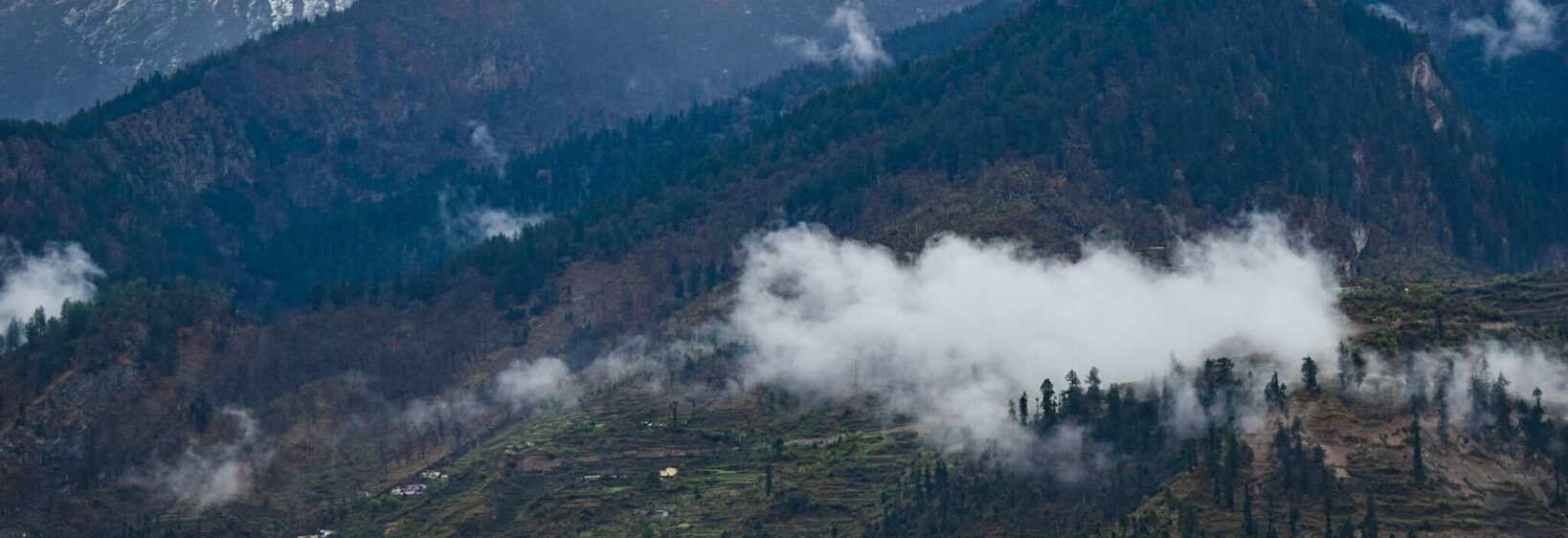
Sattal Bird Sanctuary: A Haven for Nature Photographers
Hidden among the forested hills near Bhimtal, Sattal is one of Uttarakhand’s most rewarding destinations for birdwatchers and nature photographers. Its name refers to seven interconnected freshwater lakes, surrounded by oak, pine, and broadleaf woodland.
The sanctuary’s calm water, shaded trails, and rich birdlife create a changing natural studio. Mist may settle over the lakes at dawn, kingfishers can flash across the shoreline, and forest species often appear briefly between branches. For photographers, patience is more valuable than a packed itinerary.
Sattal also offers a gentler alternative to crowded hill stations. Visitors can combine bird photography with boating, forest walks, village exploration, and quiet views of the Kumaon landscape. The Uttarakhand travel stories available through local travel resources can help place this destination within a wider regional journey.
The landscape around Sattal
The lakes are linked by narrow channels and surrounded by undulating woodland. Water reflections, tangled roots, moss-covered stones, and distant ridgelines provide strong details for landscape compositions. Early morning is especially atmospheric, when soft light reaches the water before the forest becomes bright.
Several paths lead away from the main lake area toward quieter habitats. Wet edges attract wagtails, waders, and other water-loving birds, while dense vegetation shelters babblers, bulbuls, tits, woodpeckers, and flycatchers. A short walk can therefore produce a wider variety of images than staying beside the boating points.
Birdlife through the seasons
Spring brings fresh foliage, active bird calls, and pleasant conditions for long walks. Summer mornings are often clearer and can be productive before the midday heat. During the monsoon, the forest becomes intensely green, although slippery paths and heavy cloud can make photography difficult.
Autumn and winter usually offer crisp visibility and comfortable daylight. Migratory visitors may add variety to the resident bird population, while leafless or thinner branches can make some species easier to spot. Local guides and experienced birders remain useful because sightings change with weather, food, and disturbance.
Photographic habits that work
A telephoto lens in the 300–500 mm range is useful for shy birds, while a medium zoom suits environmental portraits and habitat scenes. A wide-angle lens can capture lake reflections, forest paths, and morning mist. Keep shutter speeds high enough for moving birds, particularly in shaded woodland where light changes quickly.
Avoid chasing a subject from one perch to another. Find a quiet position, observe the direction of movement, and allow the bird to return naturally. Autofocus tracking, continuous shooting, and a few restrained frames are generally more effective than constant bursts.
Comparing common photography settings
| Subject or condition | Useful approach | Creative opportunity |
|---|---|---|
| Birds on open water | Fast shutter speed and exposure compensation | Reflections and wing movement |
| Birds in dense forest | Higher ISO and single-point focus | Layered foliage and natural framing |
| Dawn mist | Low contrast exposure and wider lens | Moody lake landscapes |
| Perched woodland birds | Patience and quiet positioning | Clean portraits with soft backgrounds |
| Moving kingfishers | Tracking autofocus and rapid shutter | Take-off, flight, and water splashes |
Finding the best light and locations
The lakeside is often easiest for sunrise compositions because the water offers open views and reflected colour. Look for calm sections without boat traffic, especially when the surface is still. A low viewpoint can emphasize reflections, while a slightly higher trail may reveal the relationship between water and forest.
Woodland paths become more productive as the day progresses. Listen before looking, since calls often reveal a bird’s position. Backlighting can create attractive silhouettes, but side light is usually better for showing feather detail. Carrying a small monopod can help during long waits without adding the weight of a full tripod.
Planning a comfortable field visit
Sattal is accessible by road from Bhimtal and can be visited as a day trip, though staying nearby allows photographers to work during the most valuable early hours. Start with a weather check, since clouds, rain, and road conditions can change quickly in the hills.
Wear shoes with reliable grip and carry drinking water, sun protection, insect repellent, and a light rain layer. Keep batteries and memory cards protected from moisture. Mobile coverage may vary around wooded sections, so save directions and emergency contacts before leaving your accommodation.
A responsible field checklist
Good wildlife photography protects the setting that makes the image possible. Keep voices low, stay on established paths where practical, and avoid blocking narrow trails or nesting areas. Feeding birds, using playback calls, and approaching too closely can alter natural behaviour.
Use these simple recommendations during a photography walk:
- Carry binoculars so you can identify a bird before raising the camera.
- Keep a respectful distance and never surround a perched or nesting bird.
- Use muted clothing and avoid sudden movement near the shoreline.
- Take all packaging, batteries, and food waste back with you.
- Ask permission before photographing local residents, guides, or private property.
A morning at Sattal rewards observation as much as technical skill. Record the habitat, listen to the changing calls, and leave enough time for unexpected encounters rather than measuring the visit by the number of photographs.
Make Sattal part of a Kumaon journey
The sanctuary pairs naturally with Bhimtal, Naukuchiatal, and nearby forest viewpoints, making it suitable for a longer Kumaon itinerary. Nature photographers can divide their time between birding, lake landscapes, village scenes, and local cultural experiences.
Pack lightly, arrive before the busiest hours, and let the forest set the pace. With careful planning and respectful fieldcraft, Sattal can become one of the most memorable stops in an Uttarakhand photography journey.