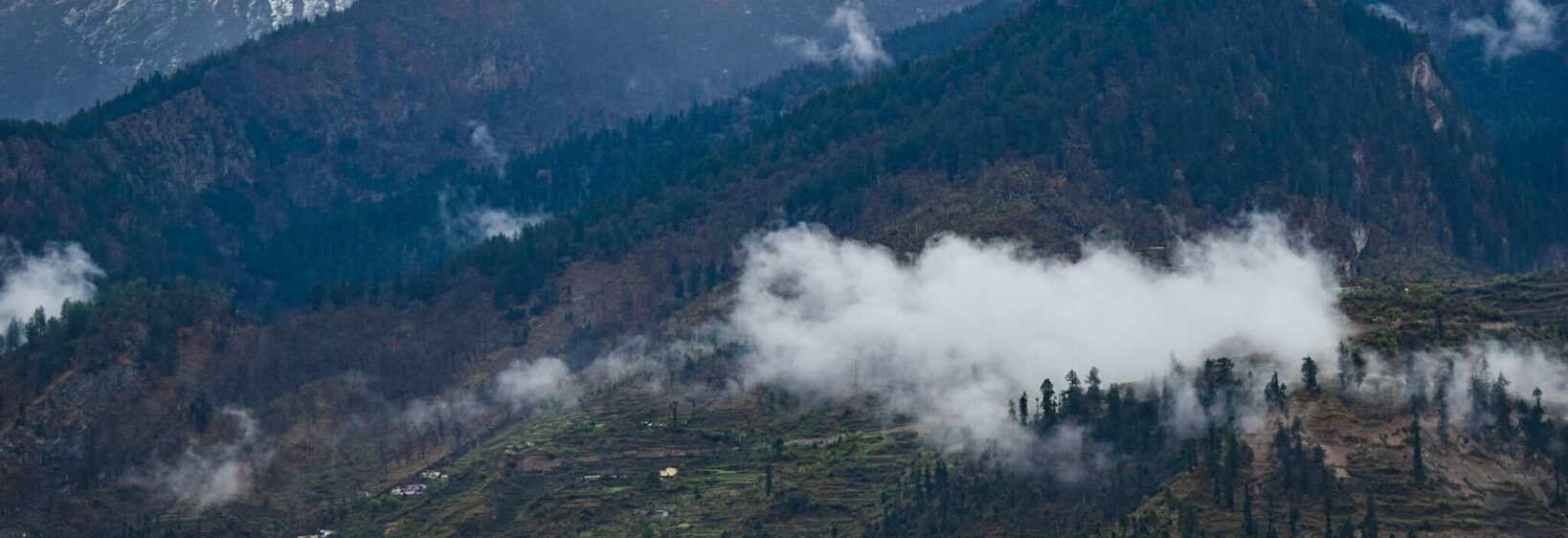
Sunderkhal Village Near Jageshwar: A Quiet Meditation Walk
Sunderkhal village, near Jageshwar in Almora district, offers a gentle setting for slow travel in the Kumaon Himalaya. The appeal is less about a packed sightseeing schedule and more about village paths, forest edges, mountain air, and the calm rhythm of rural life.
A meditation walk here does not require a formal retreat or difficult trek. It can be as simple as walking quietly after sunrise, noticing birdsong, observing traditional homes, and allowing pauses beside a field or shaded trail. The experience depends on patience, respectful conduct, and an openness to unhurried movement.
Jageshwar’s ancient temple complex makes the wider area significant for pilgrims and heritage travellers. Sunderkhal provides a quieter complement to that spiritual landscape, especially for visitors who want time away from busy roads and crowded viewpoints.
The Landscape Around Sunderkhal
The village lies in a region shaped by oak and pine forests, terraced cultivation, seasonal streams, and steep Himalayan slopes. Depending on the season, the landscape may appear fresh green, golden after harvest, or muted under winter light. Every period has its own atmosphere for walking and photography.
Paths around rural settlements can be uneven and may divide into smaller tracks leading to homes, fields, or forest areas. They are best treated as local routes rather than marked tourist trails. Ask a resident or accommodation host which paths are suitable, especially after rain or during low visibility.
The quietness of Sunderkhal is part of its value. You may hear distant temple bells, cattle, wind through pine needles, or village activity rather than complete silence. These ordinary sounds create a grounded form of mindfulness.
Building A Meditation Walk
Begin with a short route instead of trying to cover every nearby path. Walk slowly enough to notice the texture of the ground, changes in temperature, birds moving between trees, and the way sunlight reaches the terraces. A ten-minute pause can be as meaningful as an hour of continuous walking.
A useful practice is to divide the walk into three stages: settle your breathing, observe the surroundings, and finish with a quiet pause. Keep your phone away unless it is needed for navigation or safety. Photography can be included, but it should support observation rather than turn the walk into a race for pictures.
Early morning usually brings cooler air and fewer interruptions. Late afternoon can offer warm light across the hills, though visitors should return before darkness. If you enjoy nature observation, the slower pace resembles the experience described in this Pangot birdwatching walk, where patience is central to noticing the landscape.
Choosing The Right Pace
| Walk Style | Suitable Duration | Best Experience | Points To Remember |
|---|---|---|---|
| Village loop | 30–60 minutes | Homes, fields, local sounds | Keep pathways clear for residents |
| Forest-edge walk | 45–90 minutes | Trees, bird calls, changing light | Stay with a local guide if unsure |
| Sunrise stroll | 20–45 minutes | Cool air and quiet views | Carry a light layer and torch |
| Reflective sitting walk | 30–75 minutes | Pauses, breathing, landscape awareness | Choose a safe, non-private place |
The table is a starting point rather than a fixed itinerary. Weather, terrain, and local access can change the best route. A host can often suggest a nearby stretch that matches your fitness, available time, and interest in village life.
Comfortable shoes with firm grip are important, even for short walks. Carry drinking water, sun protection, a light rain layer, and basic medicines. In the Himalayan foothills, conditions can shift quickly, so a simple preparation makes the experience more relaxed.
Respecting Village And Forest Life
Sunderkhal is a living community, not an open-air attraction. Avoid entering courtyards, private fields, shrines, or houses without permission. Ask before photographing people, livestock, ceremonies, or details of domestic life. A friendly greeting in Hindi or a local Kumaoni expression is often appreciated, but respectful behaviour matters most.
Keep voices low near homes and religious places. Do not pick flowers, disturb wildlife, play loud music, or leave food and plastic on the trail. Pack out everything you bring, including snack wrappers and tissues.
If your walk passes near Jageshwar temples, follow local customs regarding footwear, photography, and areas reserved for worship. Meditation should add quiet attention to the visit rather than interfere with prayer or community routines.
When To Visit And Where To Stay
Spring and early summer can be pleasant for walking, with clear mornings and flowering vegetation in many parts of the region. The monsoon brings richer greenery but also slippery paths, leeches in some damp areas, and occasional travel disruption. Autumn often provides clearer mountain views, while winter mornings can be cold and misty.
Accommodation options may include guesthouses, homestays, and small lodges around Jageshwar and nearby settlements. Confirm transport, meals, hot water, mobile connectivity, and check-in arrangements before arrival. A local stay can make it easier to understand village routes and arrange a guide when needed.
Travel planning should include extra time for winding roads. Avoid building a tight schedule around several distant attractions. The wider collection of Uttarakhand travel guides can help place Jageshwar, village walks, temples, and other hill destinations into a practical itinerary.
Simple Preparation For A Mindful Visit
- Choose a short, clearly understood route for the first walk.
- Carry water, a small first-aid kit, a rain layer, and a charged phone.
- Wear quiet, comfortable clothing and shoes with good traction.
- Tell your host when you are leaving and when you expect to return.
- Respect homes, fields, temples, wildlife, and photography boundaries.
Sunderkhal is best experienced without demanding dramatic views from every turn. Let the walk remain spacious: pause under a tree, listen to the forest, watch the changing light, and allow the village landscape to set the pace.
Plan a mindful visit near Jageshwar, stay with local guidance, and record the experience through thoughtful photographs and simple memories rather than a hurried checklist.