A Photo Guide To The Patal Rudreshwar Cave Temple
Patal Rudreshwar Cave Temple is a quiet Shaivite shrine shaped by stone, faith, and the dramatic landscape of Uttarakhand. Unlike large temple complexes with elaborate gateways, this sacred place draws visitors into a natural underground setting where the cave itself becomes part of the worship experience.
The journey is as important as the shrine. Mountain roads, forested slopes, village homes, and changing Himalayan light create many opportunities for photography before reaching the cave. A respectful approach will help preserve both the spiritual atmosphere and the fragile surroundings.
This guide focuses on what to photograph, how to prepare, and how to experience the temple without disturbing worshippers or damaging the natural site.
The Character Of The Cave Shrine
The name Rudreshwar connects the shrine with Lord Shiva, while the word “Patal” reflects its underground character. Inside, dim passages, uneven rock surfaces, and naturally formed textures create a strong sense of mystery. Local traditions and oral accounts add to the temple’s importance, although visitors may hear different versions of its history.
Photography inside a cave is difficult because the light is limited and often uneven. The most memorable images are rarely the brightest ones. Use the darkness to frame small details: a lamp, a flower offering, a rough wall, or the silhouette of a devotee standing near the shrine.
Avoid using flash unless temple authorities specifically permit it. Sudden light can disturb worship and reduce the atmosphere that makes the cave visually distinctive.
Reaching The Temple And Reading The Landscape
The route to Patal Rudreshwar generally involves a mountain drive followed by a short walk or approach through a rural setting. Road conditions, local transport, and the final walking distance can vary by season, so confirm current details with residents or a local guide before setting out.
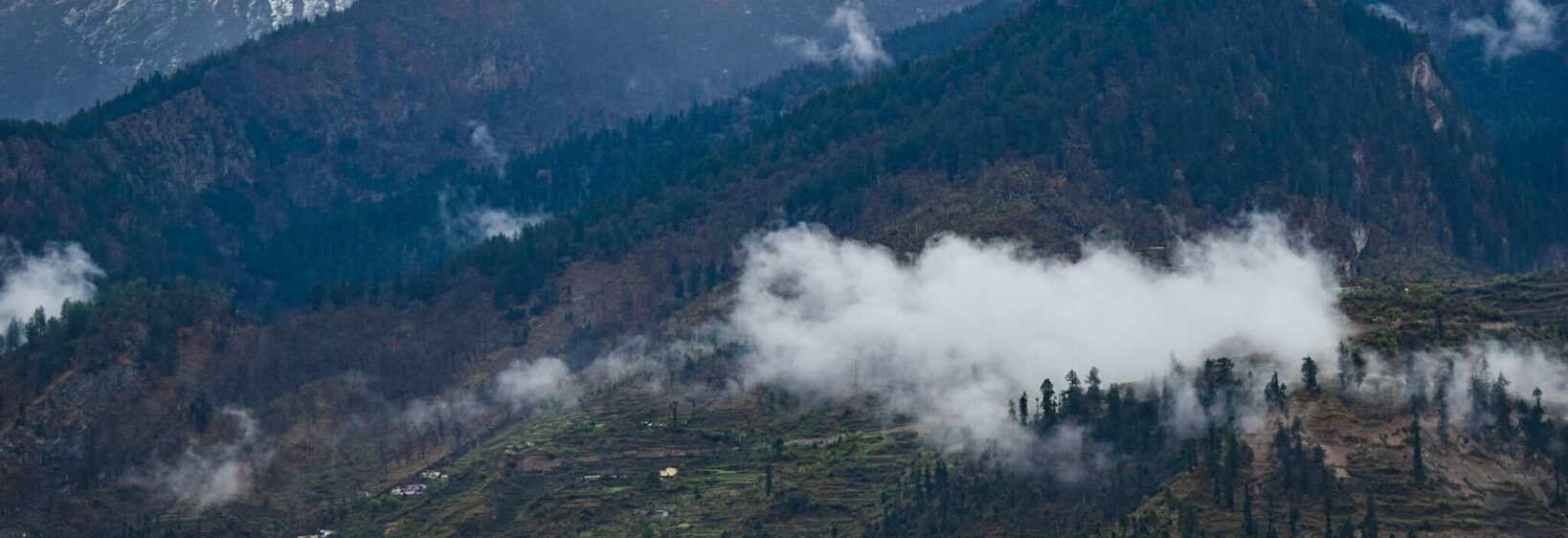
Photographers should allow extra time for the journey. Terraced fields, pine and broadleaf forests, stone walls, small shrines, and distant ridgelines can tell the story of the region more effectively than a single temple photograph. Early morning often gives softer light, while late afternoon can bring warm tones to the surrounding hills.
Carry cash for small expenses and avoid assuming that shops, mobile signals, or public conveniences will be available near the shrine. Comfortable shoes are especially useful where the path becomes damp, rocky, or slippery.
A Simple Photo Story To Follow
A strong photo essay can move from the wider setting to the smallest sacred detail. Begin with an establishing image of the hillside or approach road, then photograph the entrance, steps, prayer flags, and nearby vegetation. These frames provide visual context before the viewer enters the cave.
Inside, look for layers rather than trying to photograph everything at once. A wide image can show the relationship between the passage and shrine, while close-ups can capture water marks, mineral patterns, incense smoke, bells, and offerings. Ask permission before photographing priests or worshippers.
The wooden and stone traditions of Uttarakhand’s temples vary from place to place. For a useful visual comparison, explore the region’s ancient temple architecture, especially when planning a wider heritage-focused photo journey.
| Photo Subject | Best Approach | Useful Tip |
|---|---|---|
| Mountain approach | Wide landscape frame | Include a road, path, or person for scale |
| Cave entrance | Balanced exposure | Photograph early, before crowds gather |
| Interior shrine | Low-light composition | Use a steady camera and avoid flash |
| Rock formations | Close-up detail | Look for texture, moisture, and natural lines |
| Devotional objects | Quiet documentary image | Ask permission and avoid interrupting rituals |
Camera Settings For Low Light
A phone camera can produce excellent results if it is held steadily. Clean the lens before entering the cave, tap to focus on the main subject, and keep the exposure slightly darker when lamps create bright highlights. Night mode can help, but hold the device still until the image is saved.
With a camera, begin with a moderate ISO and a shutter speed that remains safe for handheld shooting. A small tripod may be useful outside, but it can obstruct narrow passages inside. A wide lens helps in confined spaces, although very wide angles can make the cave appear larger than it is.
Do not rely on artificial lighting to reveal every surface. A few natural lamps and the available darkness often create a more honest record of the shrine.
Respectful Travel And Temple Etiquette
Patal Rudreshwar is a place of worship before it is a photographic location. Dress modestly, follow instructions from temple caretakers, and remove footwear wherever requested. Keep voices low and allow pilgrims to complete their prayers without waiting for them to move.
The cave environment can be sensitive. Do not touch formations, carve names into rock, leave plastic behind, or move offerings for a better composition. Ask before photographing rituals, sacred objects, or local residents, and avoid blocking narrow entrances.
Practical Items To Carry
- A small flashlight with a red or low-intensity setting
- A fully charged phone, spare battery, or power bank
- Water, light snacks, and a reusable waste bag
- Non-slip footwear and a light rain layer
- A microfiber cloth for dust, mist, and lens marks
When To Visit For Better Images
The most comfortable period is generally during the drier months, when mountain roads and walking paths are easier to manage. Monsoon rain can make approaches slippery while also producing lush greenery and misty landscape photographs. Winter may bring cold conditions and shorter daylight hours, so start early and carry warm clothing.
Festivals and auspicious Mondays may bring a more vivid devotional atmosphere, with lamps, flowers, and increased activity. They can also make photography more difficult. If your priority is quiet documentation, choose an ordinary weekday and arrive outside the busiest prayer period.
Before travelling, check local weather, road access, and opening arrangements. Conditions in the hills can change quickly, and a flexible schedule is safer than rushing to meet a fixed plan.
A thoughtful visit to Patal Rudreshwar Cave Temple can become a rich visual record of Uttarakhand’s sacred geography. Travel slowly, photograph with restraint, and let the cave’s natural character remain visible in every frame. Share your images as a respectful tribute to the shrine, its community, and the Himalayan landscape around it.