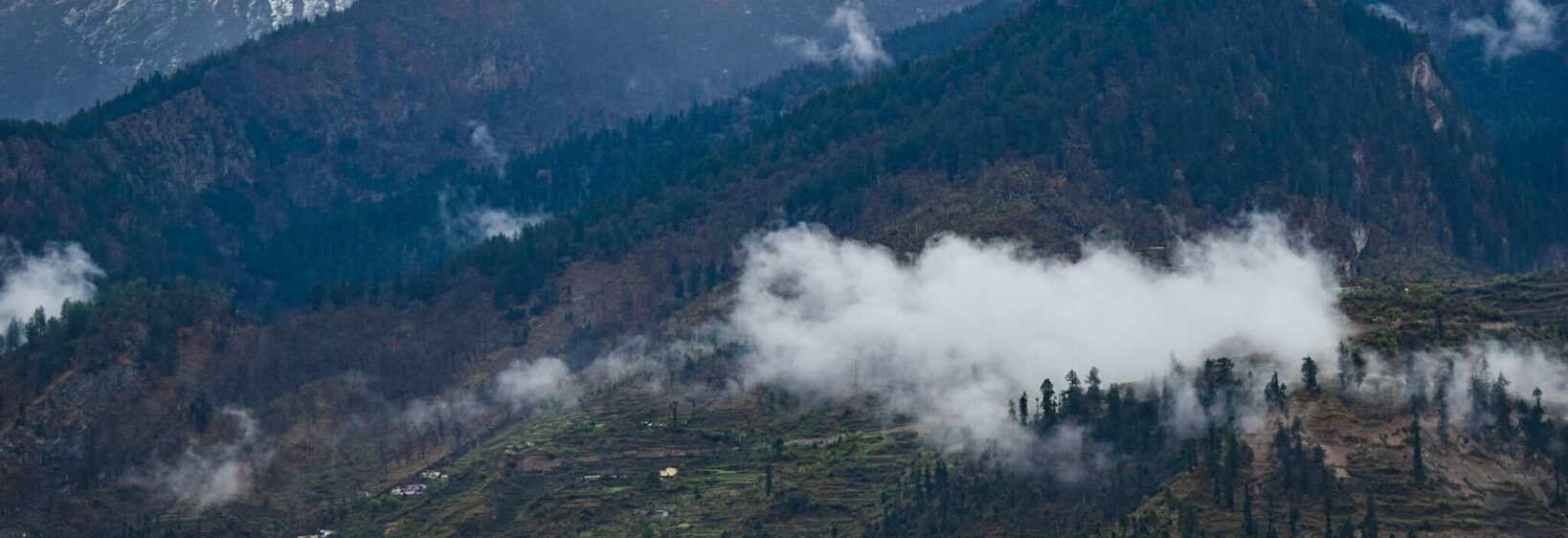
Koteshwar Temple: A Cave Shrine Beside the Alaknanda
On the banks of the Alaknanda River, a short drive from Rudraprayag, Koteshwar Temple offers a quiet and deeply atmospheric pilgrimage experience. The shrine is set inside a natural cave, where stone formations, flowing water, and the presence of Lord Shiva create an intimate setting unlike the larger hill temples of Uttarakhand.
Known locally as Koteshwar Mahadev Temple, this sacred site attracts devotees, photographers, river-valley travellers, and visitors exploring the spiritual landscape of Garhwal. Its location also makes it a convenient stop while travelling towards Kedarnath, Badrinath, Chopta, or other destinations in the Rudraprayag district.
The legend behind the cave shrine
Local tradition connects the cave with Lord Shiva’s meditation. According to popular belief, Shiva stopped here before proceeding towards Kedarnath, and the naturally formed rock inside the cave became associated with his presence. As with many Himalayan temples, the legend is carried through oral traditions, family visits, and devotional practice rather than through a single written account.
The name Koteshwar is linked with “koti,” often interpreted as crore or countless, and “Ishwar,” meaning divine lord. The shrine’s principal deity is a self-manifested form of Shiva, worshipped as Koteshwar Mahadev. Small images and religious objects around the cave add to its traditional character.
A temple shaped by nature
The most distinctive feature of Koteshwar Temple is its cave setting. Visitors descend towards the shrine and enter a cool, shadowed space where the rock ceiling and walls remain part of the temple’s natural structure. Oil lamps, flowers, bells, and offerings give the interior a warm devotional glow.
Water trickling through the cave contributes to the sense of purity associated with the shrine. The Alaknanda flows nearby, and its sound can often be heard around the temple complex. The combination of river, forested slopes, exposed rock, and mountain light makes this a rewarding place for respectful photography.
Spiritual stops around Rudraprayag
Rudraprayag is a significant confluence town where the Alaknanda meets the Mandakini. Its religious importance extends beyond one temple, with pilgrimage routes, riverside shrines, and historic places of worship spread across the surrounding valleys. Koteshwar fits naturally into an itinerary focused on sacred geography and local culture.
Travellers interested in Himalayan Shiva traditions may also enjoy reading about the Binsar Mahadev shrine, another Uttarakhand temple where a peaceful natural setting complements the devotional experience. Visiting different shrines reveals how local architecture and landscape shape religious life in the hills.
| Feature | Koteshwar Temple | Nearby Rudraprayag town |
|---|---|---|
| Main attraction | Cave shrine dedicated to Shiva | River confluence and temples |
| Setting | Beside the Alaknanda River | At the Alaknanda–Mandakini meeting point |
| Experience | Quiet worship, cave atmosphere, photography | Markets, accommodation, transport connections |
| Best suited to | Pilgrims, culture travellers, nature photographers | Travellers using Rudraprayag as a base |
| Visit style | Short, reflective stop | Longer town and sightseeing visit |
Planning a visit
Koteshwar Temple can usually be visited during a day trip from Rudraprayag. The route is accessible by road, although mountain driving conditions can change with rain, landslides, roadwork, or seasonal traffic. It is sensible to allow extra time, especially during the monsoon and busy pilgrimage months.
The temple is generally most comfortable to explore during daylight. Mornings often feel calm, while the softer light later in the day can be appealing for exterior photographs. Visitors should follow local instructions inside the cave, remove footwear where required, and avoid touching religious objects or fragile rock surfaces.
What to notice near the Alaknanda
The river landscape is one of the strongest parts of the experience. From the temple surroundings, travellers can observe steep mountain slopes, changing water levels, and the layered colours of the valley. The area feels particularly vibrant after rainfall, although wet paths and slippery stones require care.
The wider region reflects Garhwali life through its language, food, religious customs, and hillside settlements. A visit becomes richer when combined with a slow drive through nearby villages rather than treated as a quick photograph stop. Local shops and small eateries may offer simple refreshments, but facilities around the shrine can be limited.
Travel tips for a respectful visit
Koteshwar is easy to include in a wider Uttarakhand journey, but a little preparation helps preserve the peaceful character of the place.
- Carry drinking water, sun protection, and footwear with a reliable grip.
- Dress modestly and follow the temple’s photography and worship guidelines.
- Keep a safe distance from the river, particularly during strong currents or heavy rain.
- Carry small cash for offerings, parking, or refreshments in nearby areas.
- Combine the visit with Rudraprayag sightseeing rather than rushing through the valley.
Koteshwar Temple is valuable because it brings together mythology, geology, river scenery, and living worship in one compact destination. The cave does not feel like a grand monument; its appeal lies in its natural intimacy and the quiet continuity of devotion around it.
Add this cave shrine to your Rudraprayag itinerary, spend time beside the Alaknanda, and record the journey through thoughtful photographs that preserve the atmosphere of this remarkable Himalayan sanctuary.