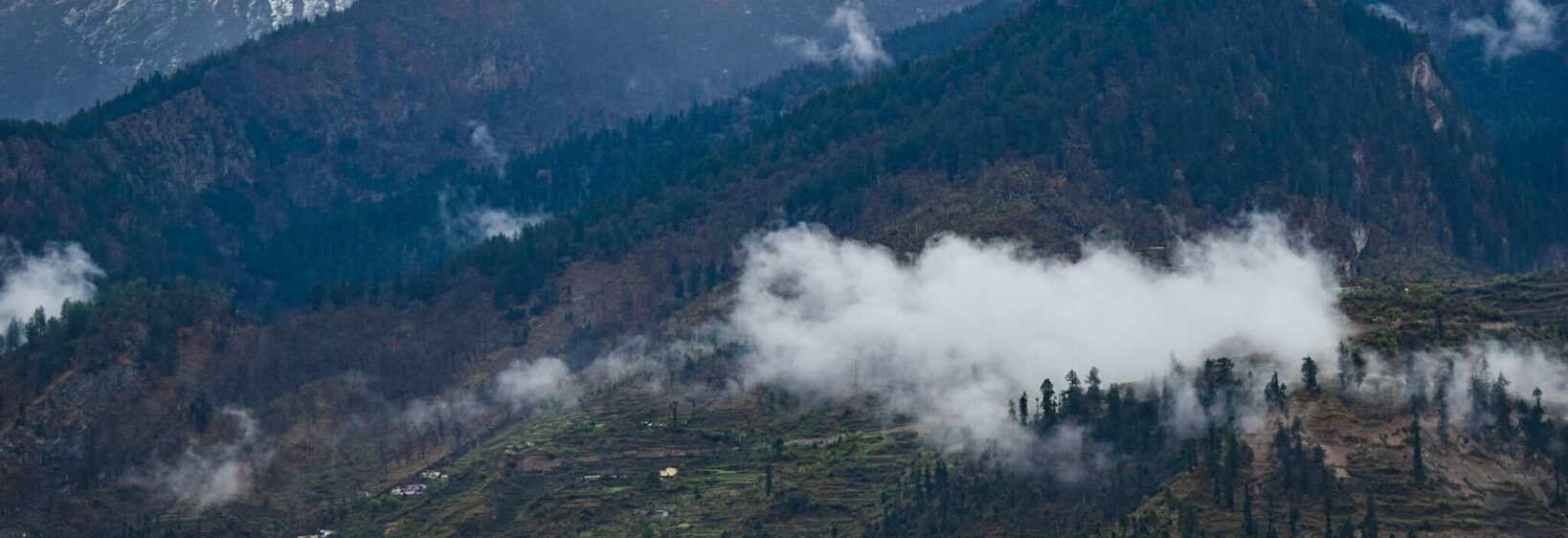
Har Ki Dun Valley: A Trekker’s Paradise
Har Ki Dun is a beautiful cradle-shaped valley in Uttarakhand’s Garhwal Himalaya, known for alpine meadows, ancient villages, dense forests, and dramatic mountain views. The trail leads into the Govind Pashu Vihar National Park and offers a rewarding blend of wilderness, culture, and Himalayan scenery.
Often described as the “Valley of Gods,” this remote trekking destination sits near the sources of the Tons River. Its landscapes change steadily along the route, moving from pine-covered slopes and river crossings to wide pastures surrounded by snow-dusted peaks.
For travellers planning a broader Uttarakhand journey, the visual stories and destination guides on UK Photos Gallery offer useful inspiration for exploring the region’s natural and cultural attractions.
The Trail Through Forests And Meadows
Most itineraries begin at Sankri, a lively mountain village that serves as the gateway to several treks. From here, a road leads to Taluka, where the walking route begins. The first stages follow the Supin River through oak, pine, walnut, and rhododendron forests.
The trail usually passes through Gangad, Osla, and Seema before reaching the main valley. Osla is especially memorable for its traditional wooden homes, slate roofs, carved balconies, and distinctive way of life. Terraced fields and grazing animals add to the sense that the route is moving through a living Himalayan landscape rather than an isolated wilderness.
When To Visit Har Ki Dun
Spring, from April to June, brings pleasant walking conditions, blooming rhododendrons, and fresh green meadows. Snow may still remain on higher ridges, creating striking contrasts with the valley’s flowering slopes. This is a suitable season for photographers and first-time trekkers who prefer moderate weather.
The post-monsoon period, from September to November, offers clear skies and excellent mountain visibility. Autumn colours begin to appear in the forests, while the trails are generally firmer. Monsoon months can bring slippery paths, landslides, and swollen streams, and winter conditions may make the route difficult or inaccessible without specialised preparation.
Villages, Legends, And Mountain Culture
The communities along the trail preserve a distinctive heritage shaped by farming, pastoralism, and seasonal migration. Osla is associated with local stories connected to Duryodhana, and the village temple reflects the strong relationship between faith, architecture, and everyday life in the valley.
A respectful trek allows visitors to appreciate this culture without treating villages as open-air attractions. Ask before photographing people, avoid entering homes without permission, and support local homestays, porters, cooks, and guides. These choices help ensure that tourism benefits the communities that sustain the route.
A Practical Trek Snapshot
Har Ki Dun is commonly completed in six or seven days, depending on the itinerary, acclimatisation stops, and transport arrangements. The trail is considered moderate, but its length, uneven ground, river crossings, and altitude demand steady fitness.
The route is suitable for active beginners with preparation, although carrying a backpack over several days can be demanding. A registered local guide is valuable for navigation, weather awareness, campsite decisions, and communication in remote settlements.
| Trek Feature | Typical Details |
|---|---|
| Starting point | Sankri, followed by Taluka |
| Main destination | Har Ki Dun valley |
| Approximate altitude | About 3,566 metres |
| Typical duration | 6–7 days |
| Difficulty | Moderate |
| Best seasons | April–June and September–November |
| Accommodation | Campsites, homestays, and basic lodges |
| Essential support | Guide, permits, transport, and packed meals |
Prepare For The High Valley
Good preparation makes the experience safer and more enjoyable. Walk regularly before the trip, include stair climbing or uphill training, and practise carrying a daypack. Slow pacing is important because altitude gain can affect even fit travellers.
Pack layers rather than relying on one heavy jacket. Weather can change quickly, and evenings are cold even during the warmer trekking months. Keep documents, medicines, and electronics protected from rain and condensation.
- Wear broken-in trekking shoes with reliable grip.
- Carry thermal layers, a waterproof jacket, gloves, and a warm cap.
- Bring a reusable water bottle, water-purification tablets, sunscreen, and sunglasses.
- Pack a headlamp, personal first-aid supplies, power bank, and basic toiletries.
- Carry waste back to collection points and use refill stations where available.
Travel Responsibly In The Himalaya
The valley’s beauty depends on fragile forests, clean streams, and carefully balanced village resources. Avoid single-use plastic, do not disturb wildlife, and stay on established paths wherever possible. Campfires should be avoided unless arranged and managed by authorised local operators.
Altitude awareness is equally important. Headaches, unusual tiredness, nausea, or breathlessness should never be ignored. Rest, hydrate, and descend if symptoms worsen. Trekkers should also check current permit rules, road conditions, weather forecasts, and accommodation availability before leaving Sankri.
Plan Your Himalayan Escape
Har Ki Dun combines the satisfaction of a classic Himalayan trek with close encounters with Uttarakhand’s villages, forests, rivers, and mountain traditions. It rewards those who travel patiently, respect local customs, and leave enough time to absorb the landscape.
Arrange transport to Sankri, reserve experienced local support, and choose an itinerary that includes sensible acclimatisation. With thoughtful planning and responsible travel habits, this valley can become one of the most memorable journeys in the Garhwal Himalaya.