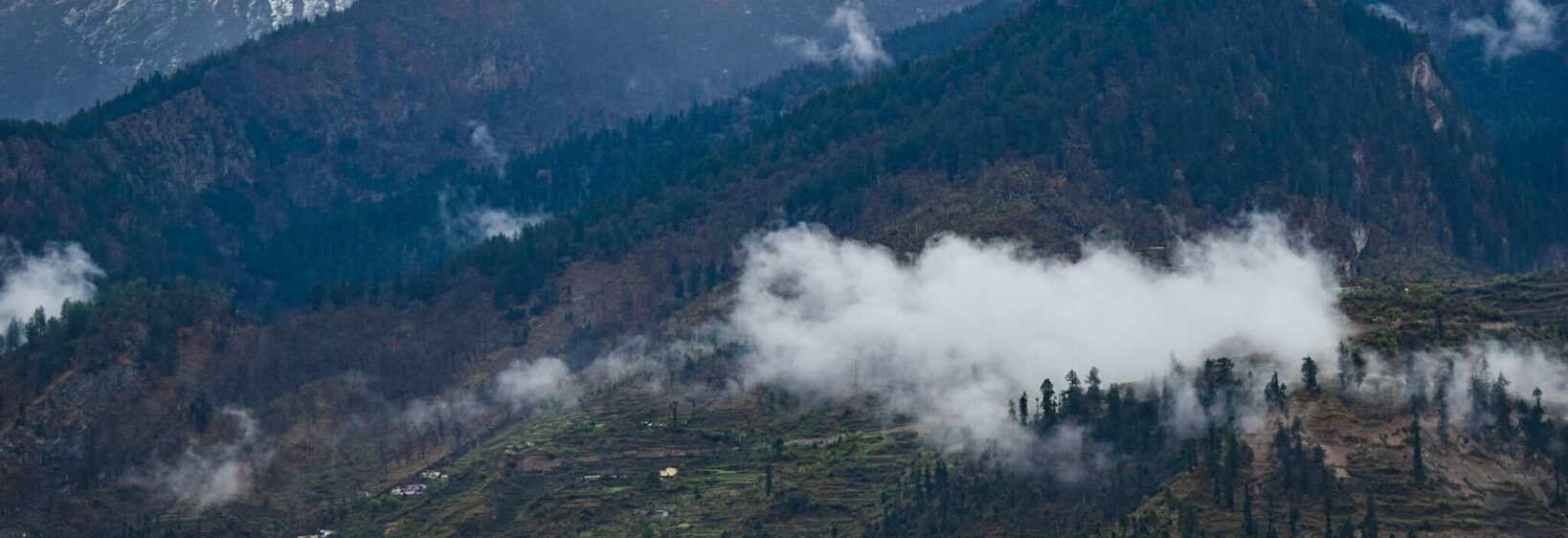
Binsar Zero Point: 360-Degree Himalayan Views
Binsar Zero Point is one of Kumaon’s finest viewpoints, set within the quiet forests of Binsar Wildlife Sanctuary in Uttarakhand. The walk through oak, rhododendron, and deodar woodland leads to an open ridge where the Himalayan skyline seems to stretch in every direction.
On a clear day, the panorama includes celebrated peaks such as Nanda Devi, Nanda Kot, Trishul, Shivling, and Chaukhamba. The experience is peaceful rather than crowded, making it ideal for travellers who enjoy mountain photography, birdwatching, and slow exploration.
The viewpoint is also a rewarding stop for anyone planning an Almora holiday. Destination notes, local photographs, and wider Uttarakhand travel inspiration are available through UK travel stories, helping visitors discover places beyond the usual hill-station circuit.
Why The Viewpoint Is Special
The name “Zero Point” reflects the unobstructed Himalayan vista from the highest accessible viewpoint in the sanctuary. Tall trees frame parts of the route, but the ridge opens dramatically toward snow-covered summits and layered valleys.
The scenery changes throughout the day. Morning light often gives the peaks a cool blue tone, while late afternoon adds gold and pink to the distant ranges. Even when clouds hide the mountains, the misty forest and quiet trails create a memorable atmosphere.
Reaching Binsar Zero Point
Binsar Wildlife Sanctuary lies around 30 kilometres from Almora and is accessible by road from the Almora–Bageshwar route. Visitors generally travel to the sanctuary entrance, complete the entry formalities, and continue toward the designated parking area.
From the parking point, Zero Point requires a short forest hike. The trail is manageable for most reasonably fit visitors, although uneven ground, stones, and gradual climbs make sturdy footwear useful. A local driver or guide can help with sanctuary timings, road conditions, and the correct walking route.
Mountain Peaks And Forest Encounters
The clearest reward is the long Himalayan panorama. Nanda Devi dominates many views, while Trishul’s distinctive three-part profile and the sharp outlines of other Kumaon peaks add character to the horizon. Binoculars can make distant ridges and soaring birds easier to appreciate.
The sanctuary is also known for its rich wildlife habitat. Visitors may spot Himalayan birds, woodpeckers, langurs, and, with luck, shy forest animals. Silence improves the chance of seeing wildlife, so loud music and hurried movement should be avoided.
| Visit Factor | What To Expect |
|---|---|
| Location | Binsar Wildlife Sanctuary near Almora |
| Walk | Short forest trail from the parking area |
| Best view | Snow peaks toward the Himalayan range |
| Ideal light | Early morning or late afternoon |
| Useful gear | Walking shoes, water, warm layer, camera |
| Access note | Sanctuary entry rules and timings apply |
Best Season For A Clear Panorama
October to June is generally suitable for visiting, with autumn, winter, and spring offering some of the clearest mountain views. October and November bring crisp air after the monsoon, while March and April add flowering rhododendrons to the forest.
Winter mornings can be cold, but the visibility is often excellent. During the monsoon months, clouds and rain may obscure the distant peaks, and trails can become slippery. Checking local weather and sanctuary conditions before departure is wise.
Planning A Comfortable Visit
Begin early if the main aim is sunrise light and clear peaks. Carry drinking water, a light snack, sun protection, and an extra layer because temperatures can change quickly on the ridge. Mobile connectivity may be inconsistent, so downloading directions in advance is helpful.
Photography works best with a wide-angle lens for the complete mountain arc and a telephoto lens for distant summits. A tripod is useful in low light, but visitors should keep equipment secure on the uneven path and avoid blocking the viewpoint for others.
A Responsible Binsar Experience
Binsar’s charm depends on its forests, wildlife, and low-key atmosphere. Travellers can protect that character by following a few simple practices:
- Carry reusable bottles and take all wrappers back.
- Stay on marked paths and follow sanctuary instructions.
- Keep voices low near bird habitats and forest sections.
- Avoid feeding animals or attempting close wildlife photographs.
- Respect local communities, guides, and other visitors.
A visit to this Himalayan lookout is best treated as a nature experience rather than a quick photo stop. Give yourself time to notice the changing light, forest sounds, and distant ridgelines.
Add Binsar Zero Point to an Almora itinerary, choose a clear-weather day, and bring a camera ready for one of Uttarakhand’s most expansive mountain views.