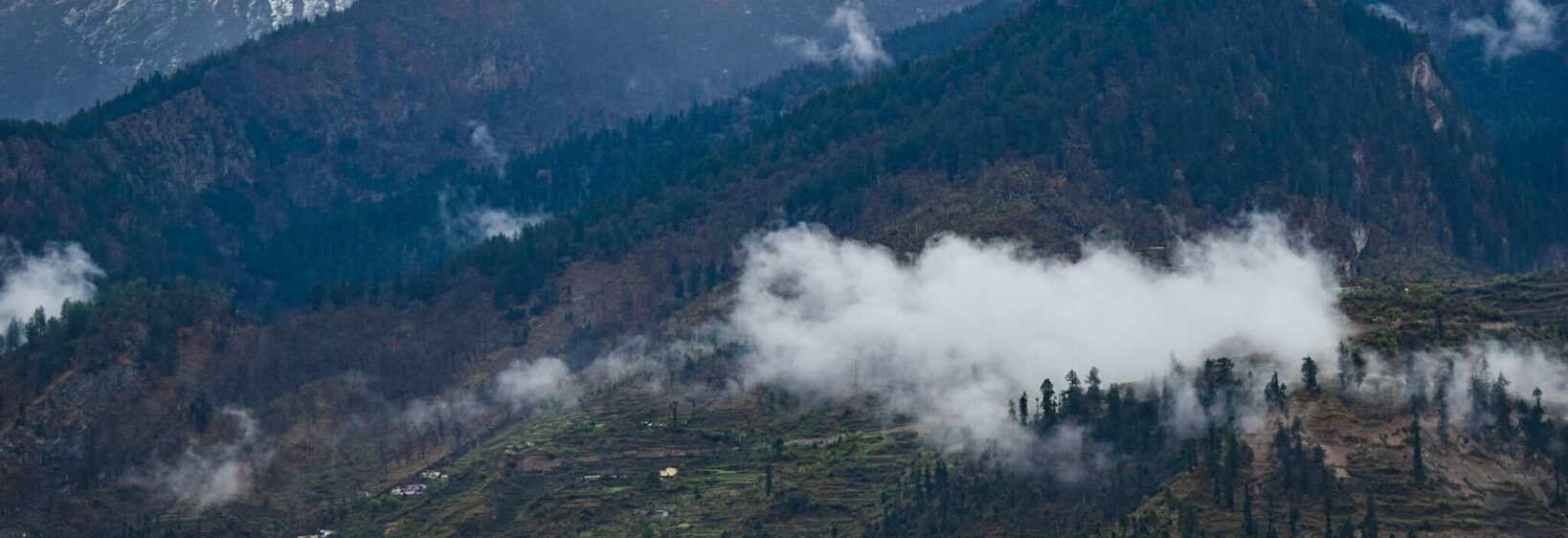
Trekking To Darkot Bugyal For Wildflowers And Camping
Darkot Bugyal is a peaceful highland meadow in the Kumaon Himalaya, close to Munsiyari in Pithoragarh district. The trail leads away from busy tourist circuits into forests, village paths, and open alpine pasture where the landscape changes with altitude and season.
The attraction is the simple rhythm of the walk: rhododendron and oak woodland, distant Himalayan views, clear mountain air, and broad grassy slopes suitable for a carefully planned overnight camp. In the flowering months, small alpine blooms add colour without taking attention away from the vast scenery.
This trek is best suited to travellers who value quiet landscapes and local interaction over marked adventure infrastructure. Conditions can change quickly, so route information, camping arrangements, and weather updates should be confirmed in Munsiyari or Darkot before setting out.
Where Darkot Bugyal Lies
Darkot is a traditional Kumaoni village in the Munsiyari region, known for handwoven woollens, old houses, and its location on routes leading towards the higher Himalaya. The bugyal, or seasonal alpine meadow, lies beyond the settled area and should be approached with guidance from residents who understand the current trail.
Munsiyari is the practical base for transport, food, accommodation, and supplies. Travellers commonly reach it by road from Pithoragarh, although the journey is long and mountain roads may be affected by rain, landslides, or maintenance work. Allowing an extra day provides useful flexibility.
Best Season For Flowers And Clear Views
Late spring and summer generally offer the best opportunity to see meadow flowers, with the exact display varying according to snowfall and rainfall. Rhododendron may appear in the lower forest, while tiny seasonal blossoms emerge higher up as the snow retreats. July and August can bring lush greenery but also heavier rain and slippery paths.
Autumn often provides clearer skies and excellent mountain visibility after the monsoon. Nights become colder, and flower coverage may be reduced, but the golden grasslands and sharp ridgelines create a beautiful camping setting. Winter travel requires specialist preparation because snow can obscure the trail.
Trail Experience And Camping
The walk usually combines village tracks, forest sections, uneven hillside paths, and open grassland. There may be no consistent signs, bridges, toilets, or emergency facilities. A local guide is strongly recommended, particularly for first-time visitors, changing weather, or a group carrying camping equipment.
Camp only in an established or locally approved area rather than placing tents beside springs, on fragile flower patches, or near grazing routes. Carry a warm sleeping bag, ground insulation, a waterproof tent, and a reliable stove if cooking is permitted. Leave the meadow as you found it by packing out every item of waste.
| Planning Area | Practical Guidance |
|---|---|
| Base | Munsiyari, with local arrangements made in advance |
| Ideal focus | Wildflowers, birdwatching, forest walking, and quiet camping |
| Recommended support | Local guide, porter, or experienced trekking operator |
| Weather | Prepare for sun, rain, wind, and cold nights in one day |
| Essential supplies | Water treatment, layered clothing, first-aid kit, headlamp, and offline maps |
| Responsible travel | Use existing paths, avoid picking flowers, and remove all waste |
What To Pack For The Meadow
Layered clothing is more useful than one heavy jacket. Begin with a moisture-wicking base layer, add fleece or wool, and carry a waterproof outer shell. Sun protection is important at altitude, so include sunglasses, sunscreen, a hat, and lip balm even when the air feels cool.
Good trekking shoes with ankle support help on wet roots and loose ground. A walking pole can reduce strain on descents, while gaiters are helpful during muddy weather. Pack personal medicines, blister treatment, water-purification tablets, snacks, a power bank, and a small repair kit.
Culture, Villages, And Responsible Travel
Darkot is more than a trailhead. Buying locally made woollen products, using village homestays, and hiring local support helps keep tourism income in the community. Ask before photographing people, homes, shrines, or private land, and dress respectfully when passing through settlements.
Seasonal customs reveal the close relationship between village life, agriculture, and nature. The wider region celebrates festivals such as Phool Dei and Harela, described in this guide to Uttarakhand’s local festivals. Travellers extending their journey towards the Yamuna valley can also read this practical Yamunotri temple guide before planning a pilgrimage.
Safety On A Remote Himalayan Trek
Do not rely on mobile coverage, online maps, or a quick rescue response. Share your itinerary with your accommodation provider, carry offline navigation, and register with local authorities or a trekking contact if required. Keep the group together and turn back when cloud, rain, illness, or exhaustion makes progress unsafe.
- Hire a local guide familiar with the current Darkot Bugyal route.
- Check weather, road conditions, and meadow access before departure.
- Carry enough drinking water and treat water from natural sources.
- Camp away from streams, livestock areas, and fragile flowering ground.
- Follow a slow pace with rest breaks to reduce altitude-related problems.
A night beneath the Darkot sky can become one of Kumaon’s most memorable travel experiences when the journey is planned with patience and respect. Arrange transport, a local guide, and suitable camping support through Munsiyari, then walk lightly, photograph the flowers without picking them, and preserve the meadow for the next season.