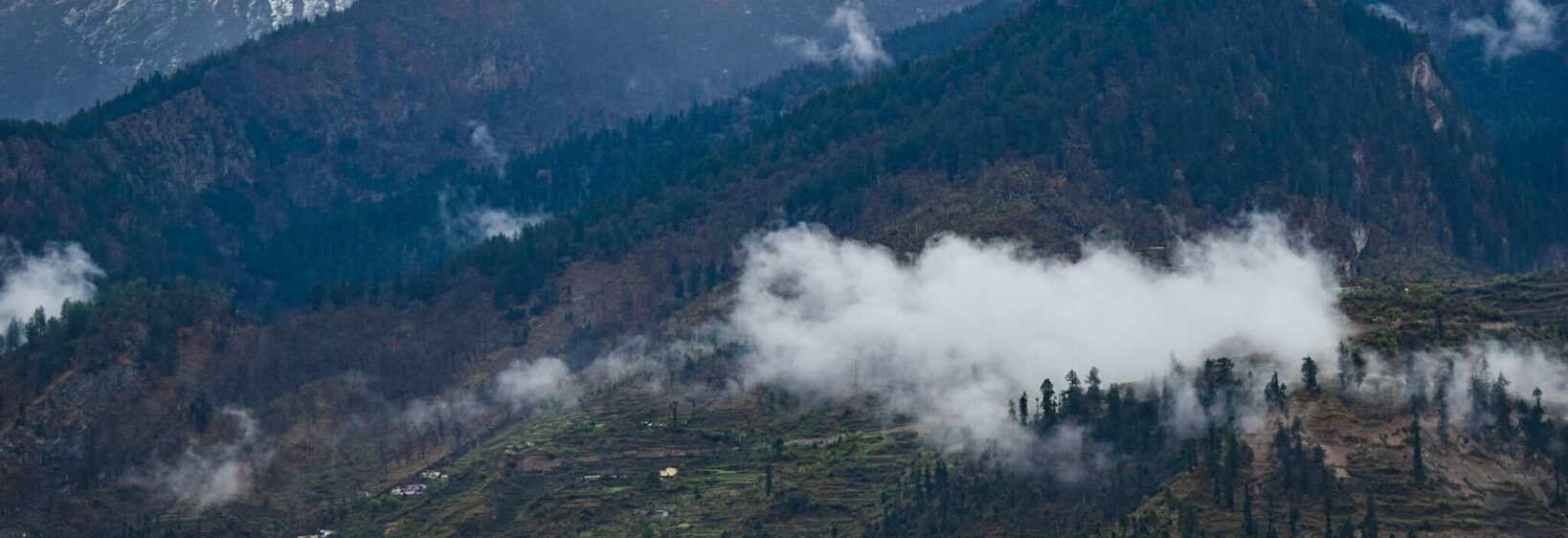
A Day with a Pahari Farmer in Uttarakhand
Before the first light reaches the ridgelines, a Pahari household is already awake. In Uttarakhand’s mountain villages, farming follows the rhythm of the sun, the seasons, and the narrow terraces carved into steep slopes. A day here is measured less by the clock than by the work waiting in the fields.
This photo diary follows an ordinary day in the life of a hill farmer, from the smoky warmth of an early kitchen to the quiet return home after sunset. It is a glimpse of rural Uttarakhand where millets, cattle, forest paths, and family traditions remain closely connected.
Before Sunrise In The Village
The morning begins with the sound of metal buckets, cattle bells, and footsteps on stone paths. A farmer checks the animals, carries fodder into the cowshed, and warms water over a wood-fired stove. The kitchen fills with the scent of tea, mandua flour, and yesterday’s embers.
Outside, the air is cool and clean. Women may sweep the courtyard while men inspect tools and irrigation channels. Children prepare for school, often walking several kilometres along the same trails used by generations of villagers.
The first photographs of the day would show mist hanging below the settlement, slate roofs catching faint light, and terraced plots appearing gradually as the valley brightens.
Terraced Fields And Seasonal Work
Pahari agriculture requires patience and physical balance. Fields are small, separated by stone retaining walls, and often reached by steep footpaths. Farmers grow mandua, known as finger millet, along with wheat, barley, pulses, vegetables, and seasonal greens. Some families also keep fruit trees, especially apricot, plum, peach, and walnut.
The work changes with the calendar. Spring may bring planting and pruning, while the monsoon encourages transplanting rice in lower areas and tending millet on drier terraces. Autumn is a season of harvesting, threshing, and storing grain for winter. Every task depends on careful use of water and soil.
| Part of the day | Typical activity | Details worth photographing |
|---|---|---|
| Early morning | Feeding cattle and preparing tea | Smoke, brass vessels, and animal bells |
| Morning | Ploughing, weeding, or planting | Terraces, hand tools, and mountain light |
| Midday | Rest and a simple meal | Rotis, lentils, greens, and shaded courtyards |
| Afternoon | Carrying fodder or collecting produce | Baskets, forest paths, and village homes |
| Evening | Milking animals and storing grain | Golden light, haystacks, and family routines |
A Midday Meal And Mountain Rest
By noon, the farmer pauses beneath a tree or beside a terrace wall. The meal is usually practical and nourishing: mandua roti, dal, bhatt, potatoes, leafy vegetables, or chutney made with local herbs. Food grown nearby carries the taste of the landscape and makes a welcome break from demanding fieldwork.
A short rest may include conversation about rain, market prices, livestock, or a neighbour’s harvest. In many villages, agricultural knowledge is shared informally. Older family members explain which seed to save, when to repair a terrace, and how to read changes in the clouds.
This is also a fine moment for a portrait: tired hands, dusty shoes, a woven basket, and the relaxed expression that appears when the hardest morning work is complete.
Forest Paths And Village Connections
The afternoon often involves collecting grass, leaves, firewood, or fodder from nearby woodland. Carrying loads with a traditional doko basket is common in hill communities, and the walk itself becomes part of the working day. Forests provide essential resources, but villagers also understand the need to protect springs, trees, and grazing areas.
A rural photo story gains depth when it includes more than fields. Capture the stone water spout, the small shrine beneath an old tree, drying maize on a rooftop, and children playing near a traditional home. These details reveal how farming, faith, architecture, and community life overlap.
Travelers interested in the region’s visual heritage can also explore the Thal Keshar monastery murals, which offer a different perspective on Uttarakhand’s artistic and spiritual traditions.
Evening Chores And Family Time
As the sun moves behind the peaks, the pace changes. Cattle are brought back, milk is collected, tools are cleaned, and vegetables are sorted. The day’s harvest may be stored in a cool room or prepared for a local market. In some homes, women begin grinding grain or cooking dinner while others repair clothing and farm equipment.
Evening light transforms the village. Smoke rises from chimneys, terraces turn copper, and distant bells echo across the valley. A camera can record these scenes without staging them, provided the photographer asks permission and respects the household’s privacy.
The final images might include a lantern-lit doorway, a child carrying water, or a farmer looking across the fields before darkness settles. Such photographs show dignity and continuity rather than presenting village life as a spectacle.
Photographing Rural Life With Respect
A meaningful visual diary should give people control over how they are represented. Slow down, introduce yourself, and ask before photographing faces, homes, religious spaces, or personal work. Avoid interrupting rituals and never treat poverty or physical labour as decoration.
Useful practices for a responsible village photo walk include:
- Carry a lightweight camera or phone so movement remains easy on steep paths.
- Use natural light and avoid directing people into uncomfortable poses.
- Photograph hands, tools, crops, and landscapes alongside portraits.
- Offer to share selected images with the families or community.
- Support local guides, homestays, and small businesses when visiting.
For more visual stories about destinations, traditions, and everyday life in the state, browse the wider Uttarakhand photo gallery.
A day with a Pahari farmer is a story of steady effort, seasonal wisdom, and deep attachment to the land. Bring these details into your own travel journal or photo collection, and let the people and landscapes of Uttarakhand speak through authentic, respectful images.